Tea is regarded as the "cure-all medicine," and people have a long history of using tea for health preservation. Although everyone loves drinking tea for health, not everyone knows how to enjoy it at the correct time and season. Drinking improperly may not only fail to provide health care benefits but could also lead to adverse effects such as stomach cold, diarrhea, and insomnia.
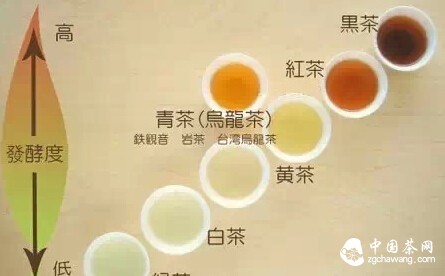
Different teas have different effects
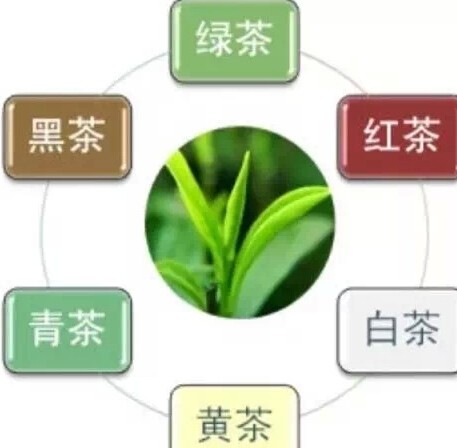
Due to the development of tea culture over thousands of years, the processing of tea leaves has evolved various methods, resulting in different varieties of tea. Teas produced by different processing methods differ significantly in composition and efficacy.
Black tea has a warm nature, with effects including warming the meridians, activating blood circulation, warming the stomach, beautifying the complexion, and resolving stagnation. It is suitable for people with symptoms such as chronic weakness, cold stomach and abdomen, dull complexion, and depressive moods.
Ripened Pu-erh tea belongs to the water element in the Five Elements theory, with a cool and mild nature. Its effects include reducing greasiness, resolving dampness, lightening the body, and detoxifying. It shows noticeable effects for conditions like overeating, obesity, fatty liver, and phlegm-damp stagnation.
Oolong tea has certain health benefits for meridian blockages, insufficient vitality, weak spleen and stomach, obesity, high blood lipids, diabetes, osteoporosis, and lack of energy.
White tea has a cool and astringent nature, with effects including clearing heat and detoxifying, improving eyesight, reducing internal fire, refreshing the mind, and calming the heart. It is notably effective for symptoms such as internal heat and irritability, hypertension, heart disease, skin conditions, nearsightedness, colds, and laryngitis.
Green tea has a generative nature, leaning towards coolness, and is rich in nutrients. Its effects include clearing the mind and reducing fire, restoring vitality, and aiding the normal functioning of the human body.
Although tea has certain health-preserving effects, it is not suitable for everyone to consume in large quantities over the long term. For the average person, drinking about 12 grams of tea per day, divided into 3-4 infusions, is appropriate. Those who consume more greasy food, smoke, or drink alcohol may appropriately increase their tea intake; individuals with neurasthenia or tachycardia should reduce their tea consumption accordingly. When brewing tea, controlling the temperature is crucial. For teas like Pu-erh, which is known for its "aged" character, boiling water should be used to achieve a sterilizing effect. However, the optimal drinking temperature for tea is around 60°C, not exceeding 70°C, to avoid damaging the esophagus.
Drinking three cups of tea a day is most suitable
The first cup is morning tea, best consumed after breakfast between 9 and 10 AM. It can help refresh the mind, detoxify, and combat fatigue, making it the most important of the three cups.
Floral tea is most suitable for morning tea. Being a secondary processed tea, it blends the rich fragrance of flowers with the fresh aroma of new tea, which can aromatically refresh the mind and boost energy throughout the day.
It should be noted that people with insomnia are not suitable for drinking floral tea, as it may worsen sleep disorders. Those with allergic constitutions should also avoid floral tea.
The second cup is afternoon tea, best consumed between 1 and 3 PM, after lunch or a nap. Afternoon tea can be slightly stronger to help lower blood lipids and protect blood vessels.
The health functions of green tea, such as antioxidant, free radical scavenging, and antiviral effects, are primarily due to the polyphenols in the tea leaves. Therefore, green tea is best brewed fresh. If the brewing temperature is too high or the time too long, polyphenols can be destroyed. Generally, the optimal brewing temperature for green tea is 85°C, using water just as it begins to boil, with a brewing time of 2-3 minutes. The ratio of green tea to water should be appropriate, ideally 1:50. For example, use 3 grams of tea leaves for 150 ml of water to achieve a moderately strong tea soup. For tea ware, porcelain cups or transparent glass cups can be used.
The third cup is evening tea, suitable for consumption between 6 and 7 PM after dinner, with effects including lowering blood lipids and aiding digestion.
Experts indicate that black tea is most suitable for evening consumption because fermented teas have low caffeine content, minimizing impact on sleep. People with a cold constitution can drink more black tea, as it warms the middle and dispels cold, benefiting those with cold stomach, cold hands and feet, weak constitution, or tendency to diarrhea. Regarding brewing, unlike green tea, steeping black tea with high-temperature water actually promotes the effective dissolution of flavonoids and other beneficial substances. This not only enhances flavor and aroma but also allows for better health function.
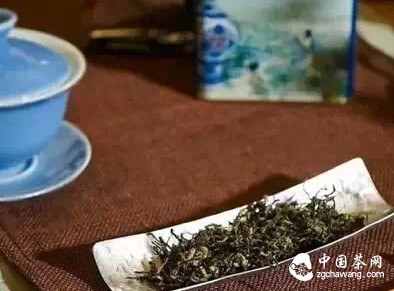
It is best to brew black tea with boiling water, and the steeping time can be relatively longer. Generally, 5 minutes is optimal. The amount of water used for brewing black tea is similar to that for green tea. Gongfu black strip tea can be infused 3-4 times, while broken black tea can be infused 1-2 times. Additionally, try to avoid drinking tea after 8 PM.
Six "Do Not Drink" Rules for Tea
1. Do not drink in large quantities. Introducing a large volume of liquid into the bloodstream itself increases the burden on the heart. Coupled with the stimulants caffeine and theophylline in tea, which accelerate heart rate and raise blood pressure, this can be problematic. Elderly individuals with poorer heart function, especially those with coronary heart disease, pulmonary heart disease, or hypertension, may experience symptoms like chest tightness and palpitations if they drink too much tea. Moreover, consuming large amounts of strong tea dilutes gastric juice, reducing its concentration and potentially causing indigestion, bloating, and abdominal pain. Elderly people with stomach issues should be particularly cautious.
2. Do not drink strong tea. Many elderly people prefer strong tea, but tea contains tannic acid, which reacts with iron in food to form new, difficult-to-dissolve compounds. Therefore, regularly drinking strong tea can hinder iron absorption, especially for elderly individuals with iron-deficiency anemia. Compared to weak tea, strong tea also contains higher levels of caffeine, which can easily lead to excessive intake, causing accelerated heartbeat and arrhythmia. It is recommended to use about 2 grams of tea leaves per brewing.
3. Do not drink immediately before or after meals. It is not advisable to drink tea about 20 minutes before or after meals, as it can dilute gastric juice and affect food digestion. Drinking tea on an empty stomach may even cause "tea drunkenness," with symptoms like palpitations, headache, blurred vision, and irritability, and in severe cases, gastritis. The correct approach is to drink tea one hour after a meal, sipping slowly in small amounts, and replenishing water two to three times.
4. Do not drink before bedtime. Tea has stimulating, excitatory, and diuretic effects. Elderly people often have varying degrees of sleep disorders, so they should avoid drinking tea in the evening to prevent excitement, insomnia, frequent urination, and reduced sleep quality. It is best not to drink tea within two hours before sleep; if thirsty, drink plain water instead.
5. Do not drink overnight tea. It is best to drink tea freshly brewed. Tea that sits for too long not only loses its beneficial components but also deteriorates in taste. If brewed tea is left for an extended period, the tea soup can spoil due to oxidation and microbial growth. Drinking such tea is harmful and offers no benefits, so never consume overnight tea.
6. Do not drink with medication. Tannins and theophylline in tea can chemically react with certain drugs. This is especially important for elderly friends taking hypnotics, sedatives, iron supplements, enzyme preparations, or protein-containing medications. Tea should not be used to take medicine, as it may affect efficacy. Additionally, Chinese herbal medicines such as ginseng, Codonopsis pilosula, Corydalis yanhusuo, Datura, Cyathula officinalis, Ephedra, Uncaria, and Coptis chinensis should not be taken with tea.