Some people can't wake up without a cup of coffee in the morning, while others prefer to start their day with the aroma of tea. What are the benefits and risks of tea and coffee, and which is more beneficial for health? According to a report by the British "Daily Mail," a new study shows that tea and coffee each have their own advantages and risks in promoting health.
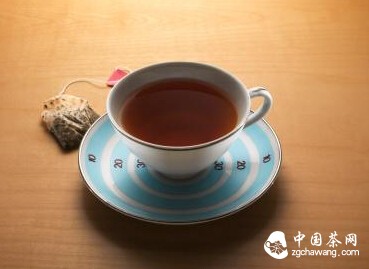
Tea helps prevent type 1 diabetes and reduces the risk of obesity, heart disease, and cancer. Studies show that people who drank black tea four times a day for six consecutive weeks had significantly lower levels of the stress hormone cortisol. Drinking green tea can reduce the risk of esophageal cancer in women by 60%. White tea, made from the tender buds and leaves of the tea plant, contains higher concentrations of antioxidants, which combat aging, inhibit the growth of new fat cells, and prevent cancer.
However, tea leaves may contain residual pesticides, even if they are labeled as organic. The tannic acid in tea can also hinder the absorption of iron in the blood, leading to anemia. Studies have also found that drinking tea that is too hot increases the risk of esophageal cancer.
Meanwhile, research has found that coffee, although often considered less healthy than tea, does have many benefits, such as helping middle-aged men prevent gout, liver damage, liver cancer, and delaying Alzheimer's disease. Coffee can also enhance the effectiveness of painkillers and improve short-term memory and reaction time in the elderly. Scientists believe that the chemical compounds in coffee could be used to develop new drugs for treating heart disease and insomnia.
However, other studies indicate that coffee can reduce blood flow to the heart and stain teeth. A Danish study found that drinking more than eight cups of coffee a day significantly increases the risk of stillbirth in women. Most of the above studies are based on black coffee with small amounts of sugar and milk, not the high-calorie coffee sold in coffee shops.

Duane Mellor, an assistant professor of nutrition at the University of Nottingham, opposes drinking coffee "disguised" as high-sugar beverages. A recent online survey showed that most medium-sized festive coffees from chain coffee shops contain more sugar than the recommended daily intake. Duane Mellor said that a latte with syrup contains extra sugar, calories, and fat, turning it into a different beverage. The claim that coffee and tea have dehydrating effects is also false.
Nevertheless, Duane Mellor does not recommend that people stop drinking coffee or tea, as they are better choices than sugary drinks. "It was previously believed that tea was beneficial for health, but with new research, coffee also has many benefits," Duane Mellor said. "It's hard to determine a winner, so people should choose based on their preferences."