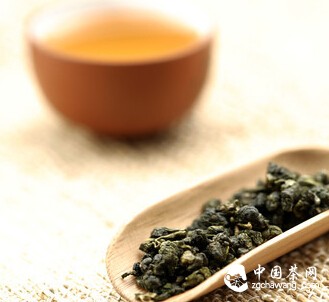
Common teas are mainly divided into several categories: green tea, light tea (including oolong tea, tieguanyin, dahongpao), black tea, and dark tea (pu-erh tea). This classification is essentially based on the degree of fermentation, from low to high. Generally, green tea and tieguanyin among light teas, due to their lower fermentation level, belong to cool-natured teas; oolong tea and dahongpao among light teas are neutral teas, while black tea and pu-erh tea are warm-natured teas.
Experts suggest that people who smoke or drink alcohol regularly, are prone to internal heat or inflammation, and have a heavier build (i.e., those with a dry-heat constitution) should drink cool-natured tea. Those with a cold and weak stomach, who feel bloated or uncomfortable after eating bitter melon or watermelon, or have a generally weak constitution (i.e., those with a cold-deficiency constitution), should drink neutral or warm-natured teas. Elderly people are suitable for drinking black tea and pu-erh tea. However, it is particularly important to note that kuding tea is strongly cool-natured. Its functions of clearing heat, detoxifying, softening blood vessels, and lowering blood lipids are more pronounced than other teas, making it most suitable for those with a dry-heat constitution. However, people with a cold-deficiency constitution should absolutely not drink this tea.
However, the constitutions of modern urban dwellers cannot be simply divided into dry-heat or cold-deficiency. Some people exhibit characteristics of both: they may have a heavier build and be prone to internal heat, yet get diarrhea from eating cold foods; others may be thin with obvious spleen and stomach weakness but still suffer from significant internal heat. This is mainly because modern urbanites have unhealthy lifestyle habits such as smoking, drinking, and staying up late, leading to diversified constitutions. Nevertheless, everyone's constitution will show primary symptoms, which should be the main basis for choosing tea.
Urban patients in a sub-healthy state should drink neutral or warm-natured teas such as dahongpao, black tea, and pu-erh. Adding some milk to make milk tea can be even more effective. If blood sugar levels are not high, one might also consider adding sugar to the tea. Some people with poor absorption may experience diarrhea from milk tea; in that case, they should drink only ripe pu-erh tea (higher fermentation degree), as the fermentation process produces many trace elements that can promote appetite and absorption.
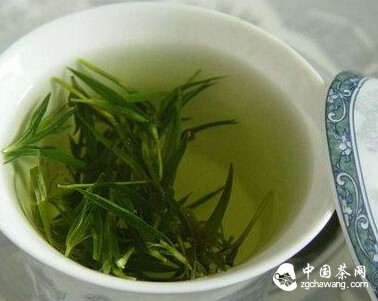
Understanding Tea Characteristics
Pu-erh Tea:
It is mild and mellow in nature, with effects of warming the stomach, lowering blood pressure, and reducing blood lipids. Long-term consumption is beneficial for alleviating and preventing cardiovascular diseases.
Green Tea:
People with allergic constitutions may easily vomit after drinking green tea. Most famous Chinese teas are green teas. As there is no fermentation step in the production process, their nutritional content is higher than other types, but the chlorophyll content is also higher, which can irritate the stomach more. Patients with gastric ulcers should not drink green tea.
Tieguanyin:
Do not drink on an empty stomach. Tieguanyin is a semi-fermented tea. Due to its short fermentation period, it remains relatively cool-natured. Its functions in fat reduction and promoting digestion are prominent, and its tea aroma is particularly strong. However, it should not be consumed on an empty stomach, otherwise, it may easily cause tea drunkenness.
Oolong Tea:
Must be brewed with 100°C boiling water. Oolong tea is neither cold nor hot; it is pungent, cool, sweet, and moistening—a neutral tea suitable for most people. Because the tea leaves are relatively coarse and mature, they must be brewed with 100°C boiling water.
Dahongpao Tea:
Warm but not cold, it does not harm the stomach. It has a rich and mellow taste with a strong aroma that lingers in the mouth and between the teeth for a long time without fading. Even after nine infusions, the original osmanthus fragrance of the tea remains.