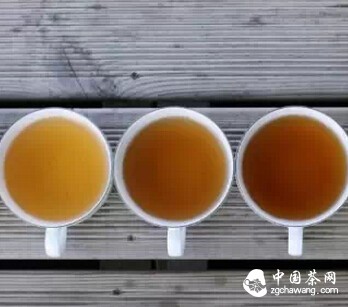
1. What kind of teaware is best for brewing tea?
Common teaware materials today include porcelain, pottery, purple clay (Zisha), and glass. For brewing black tea and oolong tea, porcelain is generally preferred because, from a tea tasting perspective, porcelain and pottery are best. They retain heat well, allowing for better extraction of color, aroma, and flavor from the tea, and they are aesthetically pleasing with artistic value. For brewing Pu'er and dark tea, purple clay ware is often chosen because its porous nature can absorb any unwanted odors from the tea, restoring the good taste of the tea liquor. Purple clay also retains heat well, making it suitable for fully fermented teas with rich, mellow flavors. However, for brewing green tea, especially varieties like Biluochun and Silver Needle, glass teaware is typically used. Glass allows one to appreciate the mist rising from the cup, the clear jade-green color, and the beautiful dance of the tea buds. As for enamelware and plastic teaware, while they are lightweight and durable, they are usually only used temporarily for quenching thirst.
2. Does water quality affect tea brewing?
There are many types of water with different properties. The various dissolved substances in different waters can affect the quality of the brewed tea liquor. Tea has natural and pure characteristics, and using inappropriate water can lead to disappointment. Lu Yu's "The Classic of Tea" states: "For water, mountain spring water is best, river water is average, and well water is inferior. For spring water, choose from slow-flowing sources like milk springs or stone pools; avoid turbulent, gushing waterfalls... For river water, take it from a remote place; for well water, take from a frequently used well." This indicates that spring water is best for brewing tea, especially slow-flowing springs with minimal calcium and magnesium compounds. River water is generally not ideal, and well water is inferior to river water. As for rainwater, it is usually pure, but the quality varies depending on when it rains: autumn rain is best, followed by plum rain, with thunderstorm rain being the worst.
3. What water temperature and steeping time are considered best?
The ideal water temperature for brewing tea depends mainly on the type of tea. For green tea, especially delicate bud teas like Silver Needle and Maojian, it's best not to use 100°C boiling water; around 80°C is suitable. For brewing other robust teas like black tea, oolong, and Pu'er, 100°C boiling water is appropriate.
4. How should tea be stored?
Tea produced with advanced preservation technology can remain unspoiled for a long time. However, the best storage conditions are at room temperature, away from light, and in an odor-free environment. If the tea has high moisture content or has become damp, it can be dried at around 80°C or stir-fried until dry, then cooled before storage. For larger quantities of tea, divide it into portions of 0.25-0.5 kg, wrap in white paper, and place in dry jars or pots. Desiccant can be placed at the bottom or in the middle; the type of desiccant can be chosen based on the tea type and convenience. For storing green tea, un-slaked lime lumps can be used; for black tea and scented tea, dry charcoal can be used; if available, silica gel is also an option. If the quantity is small for daily consumption, ordinary ceramic or metal tea caddies are sufficient. To prevent tea from absorbing odors, avoid storing it with strongly odorous substances like mothballs, soap, perfume, or cigarettes. For new tea tins or jars, the inner metal surface often has a layer of grease; it must be wiped clean, dried, and then wiped with a small amount of waste tea leaves to remove any odor before filling with tea.
5. How much tea and water should be used for the best brew?
To brew a good cup or pot of tea, start by mastering the amount of tea leaves. There is no fixed standard for how much tea to use; it depends mainly on the type of tea, the size of the teaware, and personal drinking habits. Beginners can start with less tea and gradually increase to find their preferred tea-to-water ratio. Generally, the tea-to-water ratio is between 1:50 and 1:60, meaning about 3 grams of dry tea per cup with 150-200 ml of boiling water. This can be adjusted slightly depending on the tea type. You can ask the seller for guidance when purchasing tea.
6. Is it good to take medicine with tea?
Whether tea can be used to take medicine cannot be generalized. In most cases, it is not recommended, especially for Western medicines containing iron (like ferrous sulfate, ferrous carbonate, citrate, iron ammonium) or aluminum (like aluminum hydroxide). The polyphenols in tea can combine with metal ions and precipitate, reducing or negating the medicine's efficacy. Additionally, tea contains caffeine, which has a stimulating effect. Therefore, when taking sedatives, hypnotics, or cough suppressants, it's also not advisable to use tea to swallow them, to avoid conflicts that reduce efficacy. When taking enzyme preparations like protein or starch, tea should also be avoided, as tea polyphenols can bind with enzymes, reducing their activity. Certain alkaloid preparations, atropine, aspirin, etc., should also not be taken with tea. Taking medicines like furazolidone or methylphenidate with a small amount of tea can cause insomnia, while a large amount can raise blood pressure. Generally, it is recommended to stop drinking tea for 2 hours after taking medicine. However, for vitamin supplements, stimulants, diuretics, lipid-lowering, blood sugar-lowering, or leukocyte-increasing drugs, tea can generally be used. For example, drinking tea after taking vitamin C can help with its absorption and accumulation in the body due to the rich catechins in green tea. Moreover, tea itself has stimulating, diuretic, lipid-lowering, blood sugar-lowering, and leukocyte-increasing functions, so it can have a synergistic effect with such medicines.
7. Does a white precipitate when brewing green tea indicate a problem with the tea?
The appearance of a white precipitate when brewing green tea is mainly due to water quality. It indicates the use of hard water, meaning water containing excessive calcium and magnesium compounds. The main component of this white precipitate is calcium oxalate. Tea contains relatively high levels of oxalic acid, which can combine with calcium ions in the water to form insoluble calcium oxalate, leading to precipitation. This is unrelated to the quality of the tea.
8. Why does black tea become turbid on the surface after cooling?
Black tea often becomes turbid on the surface after cooling. This phenomenon is academically called "cream down" or "cold after turbidity." The turbidity is mainly caused by complexes formed by caffeine, theaflavins, and thearubigins. Normal "cold after turbidity" in tea liquor is generally a sign of good quality black tea and can be used as a method for selecting it.
9. Is bitter tea real tea?
Real tea is processed from fresh leaves picked from plants of the Camellia sinensis species in the Theaceae family. Bitter tea belongs to the Ilex genus in the Aquifoliaceae family, so strictly speaking, it is not tea. Bitter tea is made from Ilex kudingcha leaves processed using tea production methods. Clinical experiments have shown that bitter tea has good effects in reducing inflammation, relieving pain, clearing heat, detoxifying, lowering lipids, lowering blood pressure, and aiding weight loss. It is praised as a health tea, beauty tea, blood pressure-lowering tea, and longevity tea.
10. I'm not very familiar with tea. Can you suggest what tea is most suitable for me?
Generally, tender, high-quality teas have higher nutritional and medicinal components than coarse, old teas, and green tea has higher levels than black tea. For specific individuals, based on the effects of various teas, here are some suggestions to help you find what suits you: People who are physically weak should drink black tea; adding sugar or milk to the tea provides both energy and nutrition. Ginseng tea, Korean ginseng tea, and Hua Shen tea have tonic and strengthening effects, which are very helpful for the physically weak. Young people in their developmental stage are better off drinking green tea and oolong tea. Women around their menstrual period or menopause can drink scented tea, especially jasmine tea, which has the effect of soothing the liver, relieving depression, regulating qi, and regulating menstruation. Those wishing to lose weight can drink more oolong tea, etc. People frequently exposed to toxic substances can choose green tea as a protective beverage.
11. When is the most beneficial time to drink tea for the body?
A cup of tea in the morning can help refresh the mind. Drinking tea during work can relieve fatigue, increase vitality, and improve thinking and judgment. Drinking tea while smoking can reduce the harm of tar and nicotine. Drinking tea while watching TV can help restore eyesight and mitigate the harm of weak radiation. In summary, the most suitable time to drink tea varies from person to person, depending on the environment and work conditions; it's not necessarily beneficial only at a specific time. Tea drunk for quenching thirst is even more flexible—drink when thirsty.
12. Can strong tea really sober you up from alcohol?
"Tea can sober you up" is a common saying, but many are unsure if it's true. In fact, strong tea can help sober up. After drinking alcohol, the body primarily relies on the alcohol hydrolysis function in the liver to break down alcohol into water and carbon dioxide. This hydrolysis requires vitamin C as a catalyst. Therefore, drinking several cups of strong green tea or oolong tea during or after a drinking session can supplement vitamin C. Additionally, the caffeine in tea has a diuretic effect, helping to quickly expel alcohol from the body. People who are drunk often experience dizziness, headache, and physical incoordination due to the麻痹 state of the brain nerves. Drinking strong tea can stimulate the麻痹d brain中枢神经, effectively promoting metabolism and thus发挥 the sobering effect. If you've drunk too much, try a cup of ginseng tea. Ginseng tea, made from high-quality Chinese ginseng and premium green tea, combines the functions of both, offering滋补强健 and promoting metabolism, making it even more effective for sobering up.
13. Is it healthier to drink tea hot or cold?
Answer: Many people prefer drinking hot tea. However, it is understood that drinking strong tea above 80°C can cause the tannic acid in tea to precipitate at the烫伤 site in the esophagus, continuously irritating the epithelial cells of the esophageal wall, promoting突变. When mutated cells proliferate大量, they can develop into tumor tissue, leading to digestive tract cancer. It is best to let tea brewed with boiling water cool to below 70°C before drinking. That is, the most suitable time is when touching a ceramic or glass teacup no longer feels烫手.
14. Why does tea refresh you? Does it have side effects?
The caffeine in tea stimulates the central nervous system, producing a refreshing effect. The degree of stimulation depends on the amount consumed. Caffeine also helps消除 fatigue and counteract the harmful effects of alcohol, nicotine, morphine, etc. The side effects of caffeine are temporary after all. Caffeine does not accumulate in human blood; it is usually excreted from the body through metabolism within a few hours.
15. I sometimes drink too much tea and can't sleep. Is there a solution?
The caffeine and flavanol compounds in tea can promote adrenal activity and阻止 the degradation of catecholamines in the blood. Additionally, they can induce the biosynthesis of catecholamines, which have兴奋-promoting functions. If you are someone who easily gets失眠 from drinking tea, then avoid drinking tea or strong tea in the evening to ensure a good night's sleep.
16. Can you really get "tea drunk"?
Tea contains复合多糖儿茶素类, which are effective water-soluble components for lowering blood sugar. When drinking tea on an empty stomach, since blood sugar is already low, ingesting these复合多糖 and catechins further lowers blood sugar, triggering symptoms like dizziness, palpitations, weakness in limbs, and mental恍惚—the so-called "tea drunkenness." If you don't want to put down your teapot, you can eat some snacks to消除 the "tea drunkenness."
17. How to identify the quality of tea when purchasing?
Actually, when鉴别 the quality of tea, first pay attention to the following one or two aspects:一是 dryness,二是 freshness. When buying loose tea, pinch a tea strip between two fingers. If it can be ground into powder, it indicates the tea is relatively dry, with a moisture content around 6-7%, which is a合格 standard. If it can only be ground into fine flakes, it means the tea has absorbed moisture, dryness is insufficient, and its moisture content is often above 9%. It is not advisable to buy tea with such high moisture content. New tea has a characteristic fresh tea aroma, with a fresh feel in both fragrance and taste. Whether tea is fresh can be初步鉴别 from its appearance and color. New green tea has a深绿 and glossy color; black tea is乌黑 and lustrous. Also,抓起 a handful of dry tea and smell it; if it has a tea fragrance without musty or off odors, it is a正常 product. When buying small packaged tea, check or ask for the packaging date. Generally, small packaged tea over a year old is极易吸湿变质. Additionally, pay attention to the quality and完好程度 of the packaging and the moisture-proof性能 of the packaging material when purchasing.
18. What to do if tea absorbs odors during storage, and how to prevent it?
Tea has strong吸附性, especially its contained烯类 substances. Therefore, when storing tea, it's best not to place it in an odorous environment. Packaging materials should also be odor-free.同时, tea packaging must be密封 to reduce contact with the external environment.
19. How much tea should a person drink per day?
There is no strict standard for the amount of tea to drink; it varies from person to person. Generally, for healthy adults with tea-drinking habits, drinking 6-10 grams per day, divided into 2-3 brewings, is appropriate. Those engaged in physical or mental labor with large appetites can drink about 20 grams of tea per day. People who eat more greasy food, smoke, or drink alcohol can also适当增量. The elderly with weak constitutions, those with cold spleen and stomach, pregnant women, and children should适当减少茶量.
20. Can cold tea and overnight tea be drunk?
From nutritional and hygienic perspectives, I believe overnight tea generally should not be consumed. As for cold tea, if it has not变质, it can be drunk. However, one should not drink part of a brewed tea and then leave the remaining茶汤 for a long time before drinking it again. Currently, canned tea drinks on the market are冷茶; if they have undergone strict sterilization treatment, they are drinkable. Also, note that the elderly with weak constitutions and those with虚寒脾胃 should not drink cold tea or overnight tea.