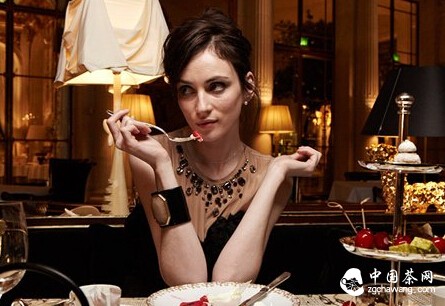
Its Origin
British afternoon tea originated in the 19th century during the Victorian era, hence it is also known as Victorian afternoon tea. The Victorian era was the most powerful period for Britain, with many colonies and dependencies around the world, boasting itself as the "Empire on which the sun never sets." The nation's strength and prosperity led people to focus on pursuing a tasteful life, especially among the wealthy aristocracy, who sought new stimuli to fill the emptiness and boredom of their idle days. At the time, the British upper class enjoyed lavish breakfasts, simple lunches, and social dinners that didn't start until around 8 p.m. Thus, it became customary to have some snacks and a cup of tea around 4 p.m. Among them was a queen named Anna Maria, who knew how to enjoy life. Every afternoon, she would have her maid prepare a pot of black tea and snacks. She found this experience delightful and began inviting friends to join her. Soon, afternoon tea became popular among the British upper class.
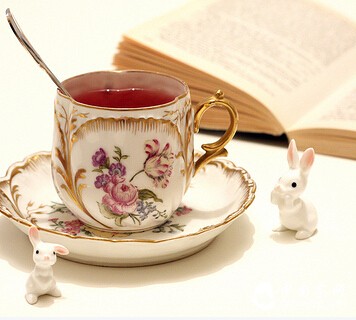
What Tea is Served for Afternoon Tea?
Black tea is the traditional choice for British afternoon tea. China is the birthplace of tea, with a wide variety of tea types. The first tea introduced to Britain was China's Keemun black tea. Keemun black tea is produced in Anhui Province and is one of the world's three most fragrant teas. "Keemun is unparalleled among all teas, with its clear reputation and high fragrance standing alone." Keemun black tea is the finest among black teas, highly esteemed, and a favorite of the British Queen and royal family. Its renowned fragrance has earned it the beautiful titles "Queen of Fragrance" and "Queen of Black Tea." Later, as Britain's demand for tea increased sharply, it began cultivating tea leaves in its colonies. Today, Darjeeling black tea, Ceylon tea, and others have also become top choices.
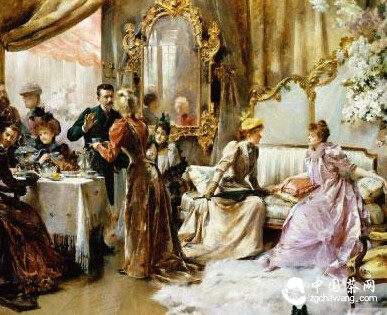
How Should Afternoon Tea Be Enjoyed?
(1) The most traditional time for afternoon tea is 4 p.m. (commonly known as Low Tea).
(2) During the Victorian era, men wore tailcoats, and women wore gowns. Today, at formal afternoon tea events at Buckingham Palace, male guests still wear tailcoats, top hats, and carry umbrellas, while women wear daytime dresses and must wear hats.
(3) Usually, the hostess, dressed formally, serves the guests herself. Only when absolutely necessary is a maid asked to assist, as a sign of respect for the guests. Generally, the dedicated teas for afternoon tea are Darjeeling, Earl Grey, or Ceylon tea—traditional pure-flavored teas. If drinking milk tea, milk is added first, followed by tea.
(4) Traditional British afternoon tea snacks are served on a three-tiered porcelain stand: the first layer holds sandwiches, the second layer holds traditional British scones, and the third layer holds cakes and fruit tarts. They are eaten from the bottom layer upward. As for scones, the proper way is to spread jam first, then cream, and eat one bite at a time, reapplying as you go.