Drinking tea for health preservation is increasingly becoming a choice for many working professionals. Whether it's black tea, green tea, or scented tea, choosing the right vessel for brewing is essential. If you choose the wrong cup, it can not only damage the inherent elements of the tea but may also pose health risks!
Purple Clay (Ceramic) Tea Ware
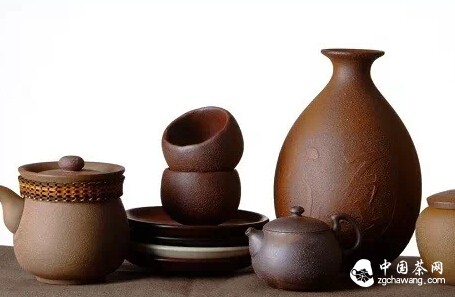
The most renowned Yixing teapot is a type of ceramic, fired at temperatures between 1000~1200°C. It has a fine, dense texture that is non-leaking yet contains microscopic pores invisible to the naked eye. These pores absorb tea liquor and retain tea flavor. It transfers heat slowly, preventing the hand from getting burned, and can withstand rapid temperature changes without cracking. Brewing tea in a purple clay teapot results in a mellow aroma, good heat retention, and no "stewed" taste, preserving the tea's true essence. It is generally considered best for brewing semi-fermented teas like Taiwanese Oolong tea and Tieguanyin to best showcase their characteristics.
Porcelain Tea Ware
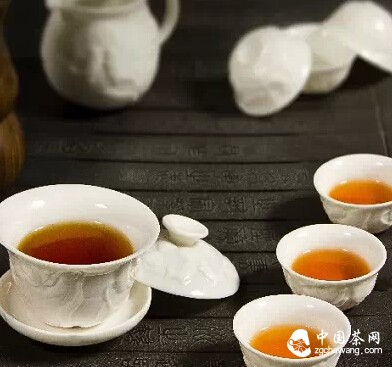
Porcelain is non-absorbent, produces a clear, resonant sound, and is most valued when white. Fired at around 1300°C, it reflects the color of the tea soup well. Its heat transfer and retention properties are moderate, and it does not react chemically with tea, allowing for better preservation of color, aroma, and taste. With its aesthetically pleasing and delicate designs, it is suitable for brewing lightly fermented, fragrant teas such as Wenshan Baozhong tea and green tea. Porcelain tea ware is arguably the best choice for drinking and appreciating tea, also possessing artistic appreciation and collection value.
Glass Tea Ware
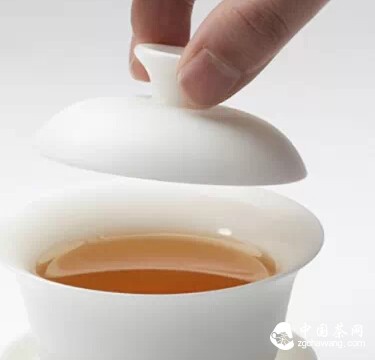
Glassware is transparent, transfers heat quickly, and is airtight. Brewing tea in a glass cup allows a full view of the tea leaves moving up and down during steeping, their gradual unfurling, and the developing color of the tea liquor. The disadvantages of glass tea ware are that it is fragile and can get hot, but it is inexpensive and functional. Using glassware to brew green teas like Longjing and Biluochun is particularly delightful, as one can watch the mist rise, the buds stand elegantly, or the leaves interlace and float, offering visual pleasure and unique charm.
Tea Ware Made from Other Materials
Plastic tea ware often carries odors, and using hot water to brew tea can affect the tea's flavor. The same applies to paper cups and plastic cups. Except for temporary emergency use, they are not suitable for brewing good tea. Using a thermos to brew high-grade green tea is also not advisable, as prolonged heat retention results in a dull aroma and a stewed taste.
Purple clay is a natural pottery clay rich in elements like iron, calcium, sodium, potassium, and zinc. It can alkalize water quality, improve human immunity, and is very beneficial for health. Teapots made from "Qing Shui Ni" (a type of purple clay) are suitable for drinking green tea, while those made from "Zi Ni" (purple clay) are for Oolong tea. Both Oolong tea and Pu-erh tea should be brewed in purple clay teapots with a large base, allowing the leaves to fully expand at the bottom and resulting in a richer, more aromatic brew. Dedicated use of a specific pot for a specific tea is more conducive to the pot's maintenance.
Purple clay teapots need to be gradually "seasoned" with tea. After seasoning for a period, clean the pot once. Repeat this process three times, and the clay material will be thoroughly cleansed. After this, there is no need to wash the pot again. Tea residue (patina) can be left inside the pot, as it is a沉淀 of tea nutrients and minerals that helps maintain the pot. The longer this continues, the better the pot becomes. The pot body itself will not only develop a warm, moist color but may even emit the natural aroma of tea.
Do not use dishwashing detergent or oily cloths to clean purple clay teapots; simply rinse with boiling water.