The quality of Wuyi Da Hong Pao is related to the quality of the tea leaves, and the quality of tea leaves is determined by four factors: color, aroma, taste, and shape. High-quality tea inevitably has correct color, high aroma, mellow taste, and beautiful shape; while inferior tea inevitably has mixed color, low aroma, rough and bland taste, and irregular shape.
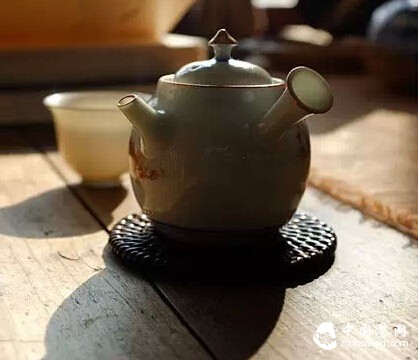
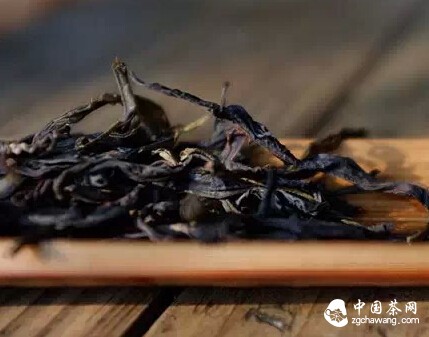
Method One for Identifying the Quality of Wuyi Da Hong Pao: Dry Examination to Assess Appearance
Take a deep breath to smell the aroma of the tea leaves. Those with high aroma and a correct scent are inevitably high-quality tea; those with low aroma and an incorrect scent are coarse old tea or inferior tea.
Observe the color, tenderness, strip tightness (or grain shape), thickness, and fragmentation of the tea leaves. Tea with uniform color, high tenderness, tight strips or grains, consistent thickness, and little broken tea is superior. If strip-style tea has loose strips, prominent leaf veins, coarse leaf surface, inconsistent color, light body, and many flakes, fragments, or old leaves; or if granular tea has loose grains, inconsistent sizes, and mixed colors, it cannot be considered good tea.
Method Two for Identifying the Quality of Wuyi Da Hong Pao: Wet Examination to Understand Internal Quality
Wet examination involves brewing or steeping the tea.
(1) Smell the aroma: After brewing the tea, immediately pour out the tea liquor. Bring the cup together with the brewed leaves to your nose to smell the aroma. Any tea whose fragrance is clear, high, pure, and pleasant, giving a sense of refreshment and delight, can be considered good tea.
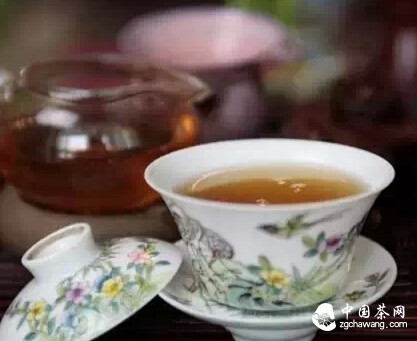
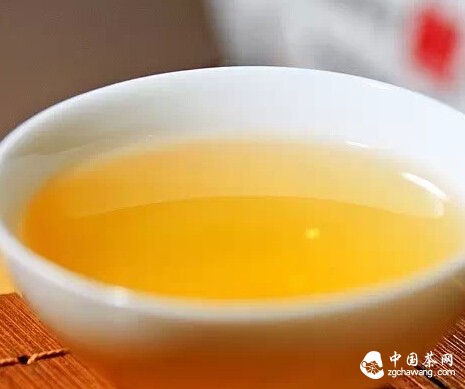
(2) Observe the liquor color: For all superior tea products, the liquor color is bright and clear, which is a consistent characteristic.
(3) Taste the flavor: This should be done immediately after observing the liquor color. When tasting the tea liquor, you must let it roll and circulate on your tongue to correctly and comprehensively discern the flavor of the tea.
(4) Evaluate the brewed leaves (tea base): Assess the leaves left after brewing and removing the liquor. Examine their tenderness, fragmentation, color, uniformity, softness/hardness, etc., to determine the quality level. Also, pay attention to whether there are any other adulterations.