As the saying goes, the right medicine for the right illness. This principle also applies to drinking tea according to one's physical condition. Many friends want to choose the most suitable tea leaves for themselves and their families but struggle with not knowing what criteria to follow. The editor suggests selecting and drinking tea based on the health benefits of different tea types, because having a healthy body is the most important thing!
Green Tea Reduces Heat and Protects Against Radiation
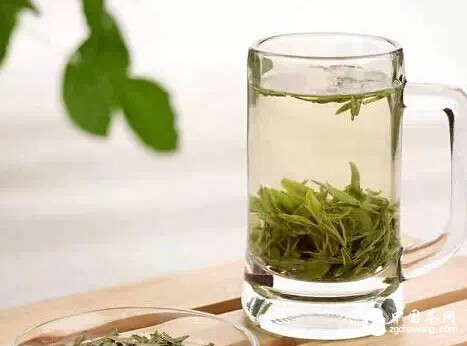
China has the longest history and the most varieties of green tea production, such as West Lake Longjing, Huangshan Maofeng, Dongting Biluochun, and Taiping Houkui. Green tea is a non-fermented tea. Its appearance is diverse, its aroma and taste have unique characteristics, with clear soup and green leaves, making it very attractive. It is the tea category with the most famous teas and the most extensive research.
Green Tea Efficacy:
Catechins and other polyphenolic compounds are公认 as the key components in green tea beneficial to health, possessing various healthcare functions, including preventing cancer, aiding weight loss, and resisting ionizing radiation. Furthermore, green tea is also the tea category with the most variety and richest content of vitamins. Multiple studies indicate that green tea can reduce the risk of tumors occurring in many parts of the body, including breast, prostate, lung, oral cavity, bladder, colon, stomach, and pancreas. From the perspective of Traditional Chinese Medicine, green tea is slightly cold in nature, helping to reduce internal heat. People with a cold stomach should drink less, while those prone to上火 (excessive internal heat) and individuals with a燥热体质 (dry-heat constitution) are suitable to drink it.
Brewing Method:
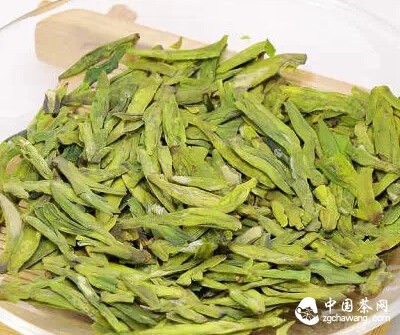
Generally, the water temperature for brewing green tea should be 80-90°C. The ratio of green tea to water should be 1:50. For tea ware, you can choose a porcelain cup or a transparent glass cup. Do not cover the lid when brewing.
Oolong Tea Moisturizes Dryness and Aids Weight Loss
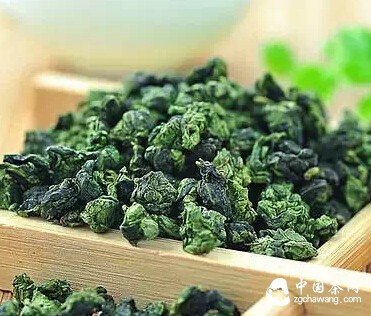
Oolong tea, also known as green tea (referring to its semi-oxidized category, distinct from unoxidized green tea), has both the fresh fragrance of green tea and the mellow taste of black tea. Chinese oolong tea is mainly divided into four categories: Southern Fujian Oolong (e.g., Tieguanyin), Northern Fujian Oolong (e.g., Dahongpao), Guangdong Oolong (e.g., Phoenix Dancong), and Taiwan Oolong (e.g., Dongding Oolong). Oolong tea belongs to the semi-fermented tea category, with processing techniques介于 between green tea and black tea.
Oolong Tea Efficacy:
In addition to common components like catechins, tea polysaccharides, and tea saponins found in green and black teas, oolong tea also contains some special functional ingredients. For example, some oolong tea varieties are rich in "methylated catechin components," which have functions such as anti-allergy, anti-inflammatory, antioxidant, protecting liver cells, and lowering blood pressure. According to some related literature reports, compared with other tea categories, oolong tea has relatively better effects in weight loss. From the perspective of Traditional Chinese Medicine, oolong tea has a neutral nature and can清除体内积热 (clear accumulated heat from the body). It is particularly suitable for drinking in autumn to缓解秋燥 (alleviate autumn dryness).
Brewing Method:
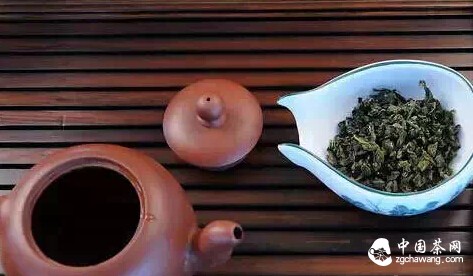
It is best to brew oolong tea with a紫砂壶 (purple clay teapot) or盖碗 (lidded bowl), and一定要用100℃的沸水 (must use 100°C boiling water). Cover the lid when brewing.
Black Tea Warms Stomach and Protects Heart & Brain
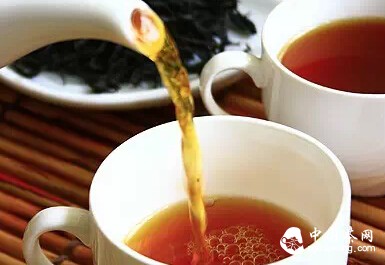
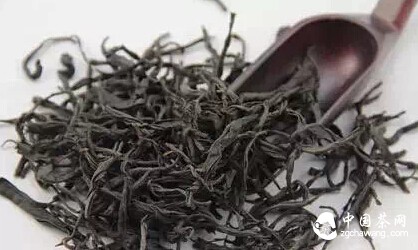
China has widespread production regions and many varieties of black tea, generally divided into three major categories: Gongfu Black Tea, Souchong Black Tea, and Broken Black Tea. The reason black tea is widely consumed lies in its many characteristics: dark brown and oily lustre, rich and sweet aroma, mellow, thick, fresh, and sweet taste, bright red and透黄 (translucent yellow) soup color, and even, tender, and红亮 (red and bright) leaf bottom. Black tea belongs to the fully fermented tea category. During processing,茶多酚 (tea polyphenols) oxidize into茶黄素 (theaflavins),茶红素 (thearubigins), and茶褐素 (theabrownins), while many糖类物质 (sugar substances) hydrolyze into soluble sugars, thereby producing the unique aroma and taste of black tea.
Black Tea Efficacy:
Theaflavins are the most主要的功能性成分 (primary functional components) in black tea. Numerous medical studies show that drinking black tea helps regulate the content of low-density lipoprotein and high-density lipoprotein in human arteries, thereby reducing the probability of cardiovascular diseases. Additionally, theaflavins also have antioxidant, anti-cancer, and preventive effects against chronic inflammation and obesity. Based on existing literature reports, compared with other tea categories, black tea generally has better efficacy in preventing cardiovascular diseases. From the perspective of Traditional Chinese Medicine, black tea is warm in nature and has the effect of warming the stomach. People with虚寒体质 (deficiency-cold constitution) and the elderly are suitable to drink warm-natured black tea.
Brewing Method:
It is best to brew black tea with water around 90°C. The amount of water used is similar to that for green tea. Black tea is best brewed in a盖碗 (lidded bowl). Covering the lid when brewing black tea will make the tea aroma more intense.
Dark Tea Repels Cold and Reduces Lipids
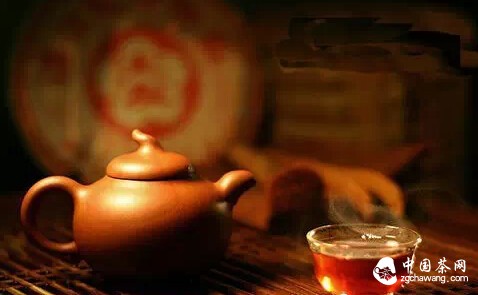
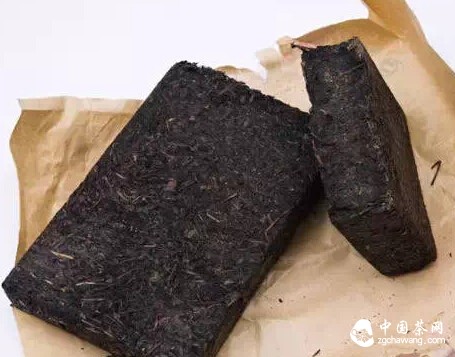
Dark tea is a tea category unique to China, with a relatively long production history and rich varieties, such as Yunnan Pu'er tea, Hunan Fuzhuan tea, Guangxi Liubao tea, Hubei Qingzhuan tea, and Sichuan边茶 (border tea, e.g., Kangzhuan). Dark tea belongs to the post-fermented tea category. Under the action of microorganisms, the tea leaves undergo a series of complex chemical reactions, generating some functional成分 (components) beneficial to the human body.
Dark Tea Efficacy:
Pu'er tea and Fuzhuan tea are representatives of different types of dark tea in China. Their active ingredients differ, but they both have lipid-lowering effects. Current stage research indicates that Pu'er tea has保健功能 (healthcare functions) such as lowering blood sugar, reducing blood lipids, and抗病毒 (anti-virus). Its lipid-lowering effect may be related to the statin-like compounds it contains. Fuzhuan tea also has a very good effect of消脂去腻 (eliminating fat and greasiness), with relatively strong lipid-lowering and weight-loss functions. Furthermore, dark tea is rich in mineral types, and the content of many kinds is higher than in other tea categories. Dark tea is warm in nature, helps抵御寒冷 (ward off cold), and is suitable for people with虚寒体质 (deficiency-cold constitution).
Brewing Method:
The way to drink dark tea is relatively simple. You can choose a紫砂壶 (purple clay teapot),飘逸杯 (easy strainer cup), or盖碗 (lidded bowl) for brewing.
White Tea Inhibits Bacteria and Resists Radiation
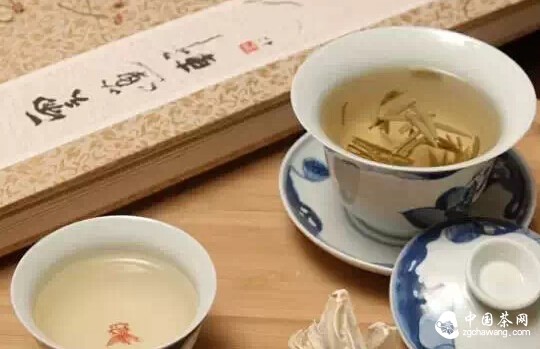
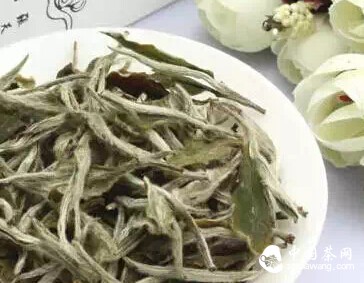
The processing technique of white tea is relatively simple, divided into two steps: withering and drying. Due to its unique production method, the finished tea is covered with white hairs, with buds and leaves connected to stems, presenting a natural and elegant form, silvery-white and灰绿 (grey-green) in color, with a light soup. According to different raw materials, it can be divided into Baihao Yinzhen (Silver Needle), Baimudan (White Peony), Gongmei, and Shoumei.
White Tea Efficacy:
The chemical composition of white tea is generally close to that of green tea. According to some related literature reports, compared with other tea categories, white tea has relatively better antibacterial effects. Additionally, white tea also has good anti-radiation effects. In the United States and Europe, white tea extract is used in the development of facial skincare products. White tea is cool in nature, can降火去燥 (reduce火 and dryness), and clear lung heat.
Brewing Method:
White tea can be brewed with a glass cup,盖碗 (lidded bowl), or紫砂壶 (purple clay teapot). The brewing methods vary for different grades and white teas stored for different lengths of time.
Yellow Tea is Suitable for Everyone
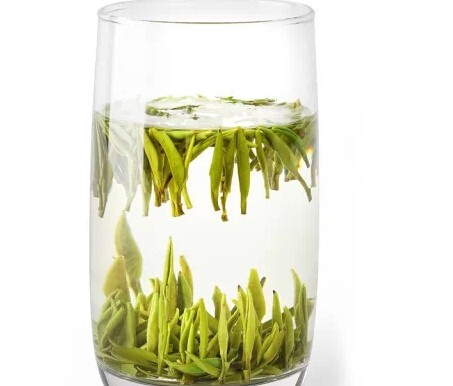
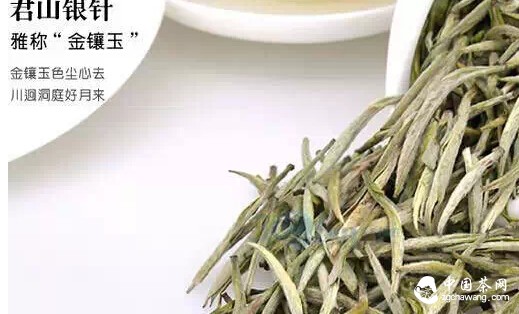
Yellow tea is usually divided into Yellow Bud Tea (e.g., Junshan Yinzhen, Mengding Huangya, and Mogan Huangya), Yellow Small Tea (e.g., Weishan Maojian, Beigang Maojian, and Pingyang Huangtang), and Yellow Large Tea (e.g., Anhui Huoshan Huang Da Cha and Guangdong Dayeqing) according to the tenderness of the fresh leaves. The main quality characteristics of yellow tea are yellow leaves and yellow soup—not only is the leaf bottom yellow and the tea soup yellow, but the dry tea also shows a yellow brightness. Moreover, it has a clear and pleasant aroma and a厚爽口 (thick and refreshing) taste.
Yellow Tea Efficacy:
Currently, there is relatively little research on the health benefits of yellow tea. Compared with the cool nature of green tea and the warm nature of black tea, the nature and characteristics of yellow tea category lie between the two, making it suitable for almost everyone.
Brewing Method:
The drinking method for yellow tea is generally similar to that of green tea, but it can be covered and steeped.