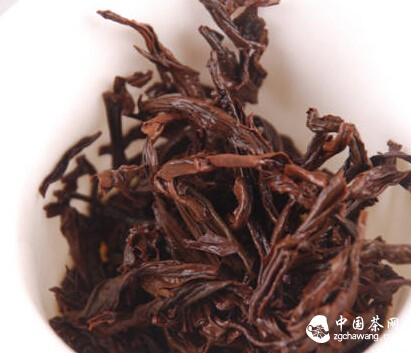
After several infusions, tea leaves may no longer brew a satisfying cup, and their still-vibrant spent leaves are often discarded. Though these leaves retain a lingering aroma and aftertaste, they struggle to produce a tea broth that entices further drinking. Resourceful individuals, however, can find clever ways to transform the ordinary into the extraordinary. Below are some methods to share.
With tea-themed feasts now in vogue and health consciousness rising, you don't need to visit a tea house to enjoy a meal infused with tea fragrance—you can make it at home. Cook rice using water in which red tea leaves have been steeped. Adjust the tea concentration to your liking. The resulting rice is not only appealing in color, aroma, and taste but also boasts remarkable digestive and anti-inflammatory benefits, making it a delightful dish. Spent red tea leaves can also be used to boil eggs, yielding eggs with a reddish hue and enticing tea aroma.
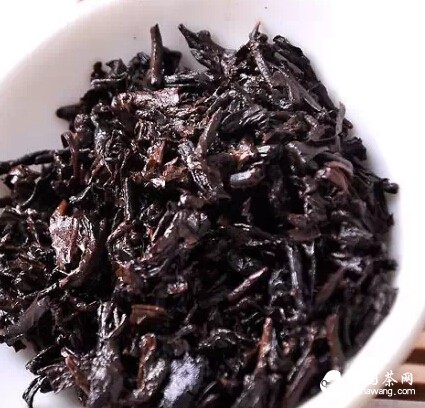
Are you troubled by persistent chemical odors in newly renovated rooms or annoyed by greasy pots, bowls, mirrors, glass, windows, doors, furniture, and muddy stains on leather shoes? Tea stems can help neutralize chemical smells, while rubbing with spent tea leaves removes grime and polishes items to a brighter shine. Additionally, drying used high-quality Taiwanese high-mountain oolong tea leaves, wrapping them in gauze, and placing them in the refrigerator effectively eliminates odors. Spreading dried, used tea leaves in damp areas of the home, such as under the bed, not only absorbs moisture but also imparts a subtle tea fragrance. With such simple steps, why not give it a try?
Beyond clearing household odors and dirt, tea can also help with the inevitable problem of bad breath. Holding a few tea leaves in your mouth or rinsing with strong tea not only eliminates mouth odor but also reduces internal heat and calms the mind. If you dislike drinking tea, you can steep the leaves first, then hold them in your mouth to reduce bitterness while gradually neutralizing odors left by eating onions or garlic.
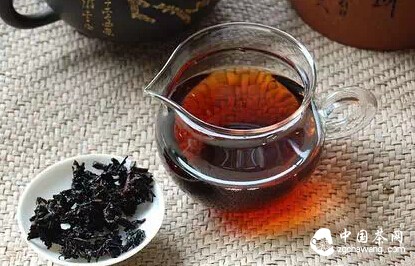
Moreover, tea leaves have surprising benefits for various personal care concerns. Does your hair not agree with soap or shampoo? Try washing your hair with brewed tea water, then rinsing with clean water. This not only makes hair darker and shinier but also helps alleviate itchiness and dandruff. At night, after washing your face, apply tea water to your skin with a cotton ball; long-term use can reduce dark spots. If you wake up with noticeable dark circles from staying up late, dabbing tea water around the eyes can quickly diminish them. Rinsing your mouth with leftover tea after meals helps remove food particles. Swishing the tea around your mouth not only eliminates tartar but also improves oral mucosal function and strengthens teeth against acid erosion.
If you're willing to put in a little effort, collect and dry the spent leaves after each tea session. Once you've accumulated enough, you can make a tea leaf pillow. Such a pillow is not only soft and comfortable but also, due to tea's cooling properties, helps refresh the mind, relieve dizziness, and treat headaches. It can also provide unexpected辅助 benefits for those with hypertension or insomnia.