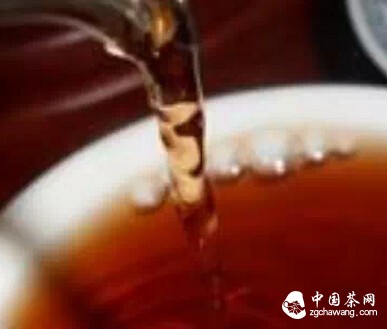
Whether you are familiar with Pu'er tea cakes or a seasoned drinker, upon first encountering a Pu'er tea cake, one might naturally ask: why is Pu'er tea divided into loose tea and tea cakes? Although modern technology can produce Pu'er as loose tea, the compressed shape of the tea cake remains unchanged. Many tea enthusiasts believe compressing Pu'er into cakes is for convenient storage or simply assume the compressed form is superior.
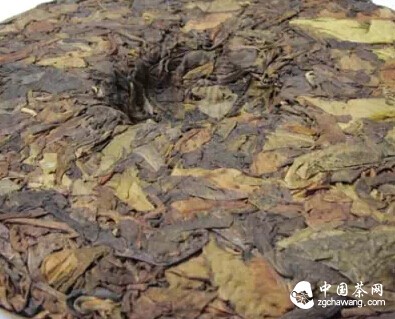
Pu'er tea has historically been compressed into cake form for storage and transport. Traditionally, one cake weighed 357 grams, and seven cakes made one load ("tiao"), facilitating calculation and transport by mule caravans. Common compressed teas include cake tea, tuo cha, square tea, and brick tea. Nowadays, many friends think cake tea is better, but this is a misconception. According to past practices, grade one and two leaves were used for loose tea, grades three and four for tuo cha, grades seven and eight for cake tea, and grades nine and ten for brick tea. However, for contemporary Pu'er, the shape is no longer directly tied to quality; bricks, cakes, tuo cha, and loose tea all can be made from both high and low-grade raw materials.
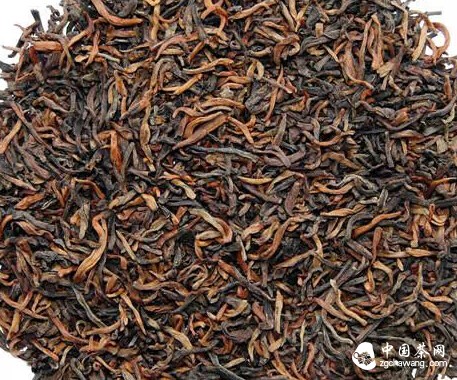
Loose Pu'er tea is graded by tenderness, ranging from extra-grade down to grade ten, with higher grades indicating greater tenderness. Generally, higher tenderness corresponds to better quality. Tenderness is primarily judged by four aspects: first, the number of buds—more buds and visible pekoe indicate higher tenderness; second, the tightness and substance of the tea strips—tighter, fuller strips indicate higher tenderness; third, the brightness and luster of the color—smoother, more lustrous color indicates higher tenderness; fourth, cleanliness—uniform, with few stems and no impurities is best.
Pu'er tea cakes and loose tea differ in taste due to their distinct processing steps. Furthermore, Pu'er varies in raw material (arbor vs. bush trees), age (new vs. aged), fermentation (raw/sheng vs. ripe/shou), aroma profiles (such as floral, camphor, lotus, jujube, ginseng, or aged fragrances), and storage conditions (dry vs. wet storage). In terms of form, there are loose and compressed teas; by age, new and old; by type, raw and ripe teas. Fermented teas also vary in degree—light, moderate, or heavy fermentation—each imparting different tea characteristics. Each batch of Pu'er possesses its own unique character, and these distinctions lead to variations in price, taste, and efficacy.
Raw Pu'er Cake (Sheng Cha): Water temperature should be around 80-95°C. Water that is too hot can scald the tea leaves, extracting bitterness, but it helps release aroma and infuse flavor quickly. Start by rinsing the tea, typically once or twice. The success of the first infusion largely depends on this rinsing step, which should not be underestimated. It mainly hinges on water temperature, steeping time, and the speed of pouring—factors best learned through personal experience. Remember to open the lid of the pot or bowl after pouring out the tea liquor to prevent harming its aroma and quality. Aim to pour out each infusion completely.
Newly purchased tea should not be sealed immediately; allow it some air circulation. If the new tea has a strong storage odor, let it air out until the odor dissipates before storing. For whole tongs (cylinders) of cake tea with little or slight storage odor, you can remove the bamboo husk wrapping and store the cakes individually, or remove the outer packaging paper before storage. For whole tongs without storage odor, you can wrap the bamboo husk with xuan paper, cotton paper, or kraft paper before storage. These wrapping papers help regulate moisture, blocking excessive humidity from the outside environment.
Regarding which is better, loose Pu'er or tea cakes, it truly depends on the individual. The best tea is one that suits your constitution, taste preferences, and appreciation. Good tea isn't defined by being expensive or cheap, but by personal preference. Also, a reminder to friends who drink Pu'er: it is broadly divided into raw tea (sheng cha) and ripe tea (shou cha). Raw tea, not having undergone pile fermentation, can be more stimulating. Ripe tea, having undergone pile fermentation, is a suitable choice for those with sensitive stomachs, as it is known for nourishing and warming the stomach.