Many people enjoy Anxi Tieguanyin, perhaps because of its richness and diversity, characterized by a high, strong aroma and a mellow, robust taste, or perhaps because of the abundant nutrients it contains, such as cancer-inhibiting tea polyphenols, blood-sugar-lowering tea polysaccharides, and various amino acids, vitamins, and other nutrients. The release of these nutrients and the unique taste is greatly related to the number of infusions. Why should Tieguanyin not be steeped too many times? Fellow tea lovers, let's read on to find out.
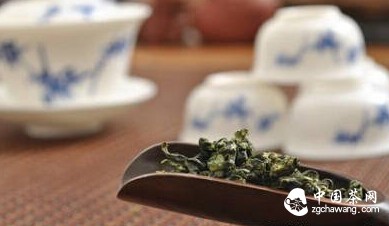
The first infusion should ideally be controlled within 100 seconds. At this point, about 50% of the nutrients in the tea leaves will be released, resulting in a tea soup with a high, strong aroma, mellow and robust flavor, and good taste.
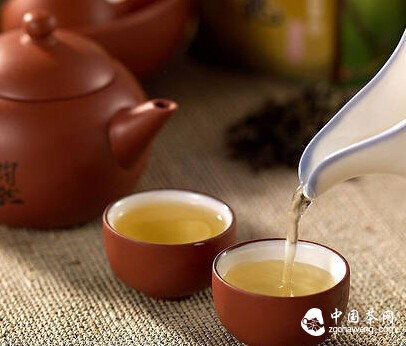
The second infusion should not exceed 120 seconds. At this stage, 70% to 80% of the nutrients in the tea leaves will be released. The tea soup's aroma is excellent, the flavor remains strong, but the taste is at its best, commonly referred to as "soft water" in folk terms.
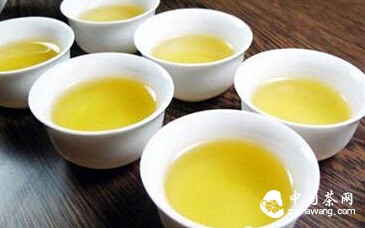
The third infusion can be slightly longer but should not exceed 150 seconds. By now, the leaching rate of nutrients from the tea leaves will exceed 95%. The aroma, flavor, and taste of the tea soup are similar to those of the second infusion.
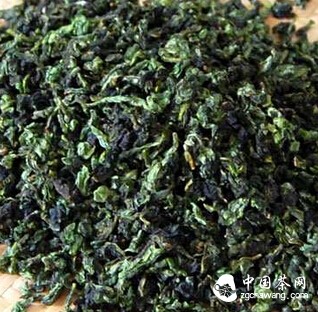
The fourth infusion should not exceed 180 seconds. At this point, the nutritional components in the tea leaves have been almost entirely released. The tea soup's aroma becomes low and subdued, the flavor turns thin and weak, and the bitter and astringent components in the tea leaves begin to leach out gradually, resulting in a poorer taste.
Continuing to steep beyond this has little meaning. Moreover, with multiple infusions, harmful substances such as pesticide residues and heavy metals in the tea leaves are more likely to leach out. Although most pesticides currently used in tea production in China have very low water solubility, and the amount of pesticide residue ingested through drinking tea is only a few thousandths of the daily allowable intake set by the World Health Organization; the leaching rate of heavy metals like lead in tea is also relatively low, and their content does not exceed national standards. However, this practice is ultimately not beneficial for health, so it is better to limit the number of infusions.
Why should Tieguanyin not be steeped too many times? Now you know.