Regarding tea drinking, simply put, there are five key points to consider:
1. How to brew a good pot of tea. The factors to pay attention to when brewing a good pot of tea are tea leaves, water, temperature, time, and teaware. Mastering these elements will ensure a delicious brew.
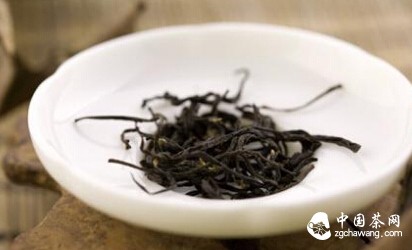
2. Not everyone can drink tea. Although tea contains various vitamins and amino acids, can help digest greasy food, stimulate the nervous system, and promote digestion and diuresis, it is not better to drink more, nor is it suitable for everyone. Generally, 1–2 servings per day, with 2–3 grams each time, is appropriate. It is not suitable for people suffering from neurasthenia, insomnia, hyperthyroidism, tuberculosis, heart disease, stomach issues, or intestinal ulcers. Nursing and pregnant women, as well as infants, should also avoid tea.
Tea can excessively increase "excitability," adversely affecting the cardiovascular and nervous systems. People with cardiovascular diseases may experience tachycardia or even arrhythmia after drinking strong tea, leading to a relapse of their condition.
3. Different teas for different seasons: floral tea in spring, green tea in summer, oolong tea in autumn, and black tea in winter. The reasoning is as follows:
In spring, drinking floral tea can dispel the cold accumulated in the body during winter. Its rich fragrance promotes the rise of yang energy.
In summer, drinking green tea is best. Green tea has a bitter and cold nature, which can clear heat, relieve summer heat, detoxify, quench thirst, and strengthen the heart.
In autumn, drinking oolong tea is ideal. This tea is neither cold nor hot, helping to eliminate residual heat in the body and restore fluids.
In winter, drinking black tea is most suitable. Black tea has a sweet and warm nature, is rich in protein, aids digestion, nourishes the body, and strengthens the constitution.
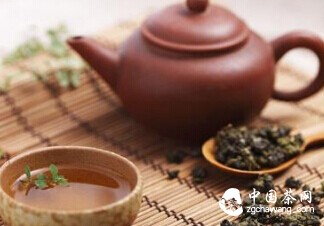
4. Fresher is not always better. From a nutritional perspective, the freshest tea leaves are not necessarily the best. So-called new tea refers to leaves picked less than a month ago. As these leaves have not been stored for a period, some substances that may have adverse effects on the body, such as polyphenols, alcohols, and aldehydes, are not fully oxidized. Drinking new tea for an extended period may cause discomfort like diarrhea or bloating. Very fresh tea is particularly unsuitable for certain patients, such as those with gastric acid deficiency or elderly individuals with chronic gastric ulcers. New tea can irritate their gastric mucosa, cause gastrointestinal discomfort, or even worsen their condition.
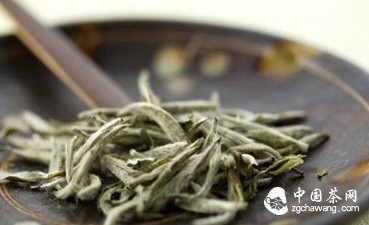
5. Not suitable for drinking at any time. Try to avoid drinking tea right before bedtime, which is especially important for beginners. Many people find it very difficult to fall asleep after drinking tea before bed, which can severely affect their mental state the next day. Those with neurasthenia or insomnia should be particularly cautious.
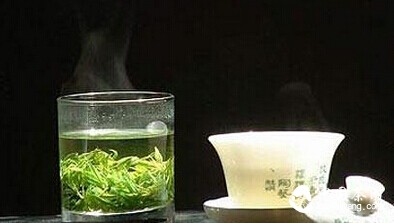
Many people like to add goji berries when drinking tea, but green tea and goji berries should not be consumed together. The large amount of tannic acid in green tea has a收敛吸附 effect and can adsorb trace elements from the goji berries, forming substances difficult for the body to absorb. Therefore, it is recommended to drink green tea in the morning to stimulate appetite and refresh the mind, and brew goji berries in the afternoon to improve constitution and promote sleep.