As the cold deepens and autumn intensifies,
the arrival of the Hanlu solar term marks the official start of the annual autumn tea grand show. In recent years, although Tieguanyin has lost some limelight, its deep mass appeal means it will still "return as king" in this year's autumn tea market.
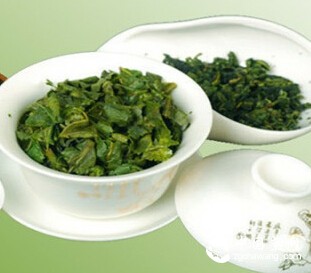
Tieguanyin is divided into early autumn tea and true autumn tea. Tea produced after the Autumn Equinox is called early autumn tea, and tea produced in the seven days around Hanlu is called true autumn tea. Tea leaves produced after Hanlu have a more lingering aroma and a smoother mouthfeel. At this time, Tieguanyin has a rich, delicate, and long-lasting fragrance. The high-quality autumn tea that the public pursues actually refers to true autumn tea.
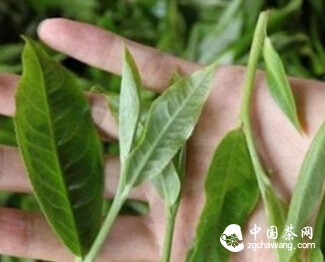
Tieguanyin's Hanlu tea is equivalent to Longjing's pre-Qingming tea. Due to its sufficiently long growing period, its tea aroma is more intense and its taste is sweeter. However, for true autumn Tieguanyin, most Dalian tea merchants are still in the stage of sampling and ordering. If any shop offers a large batch of cheap true autumn tea, consumers should be cautious. On one hand, they need to be wary of individual merchants passing off spring or summer tea as autumn tea; on the other hand, they should also guard against early autumn tea being sold as true autumn tea. It is understood that the quality of early autumn tea is similar to that of summer tea, and its market price is often 20–30% lower than true autumn tea.
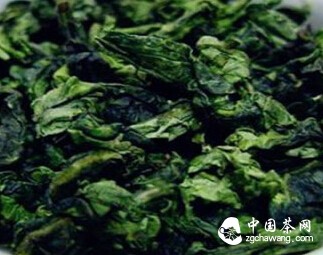
True autumn Tieguanyin dry tea is green and glossy, tightly formed, thick, solid, and heavy, and makes a loud sound when dropped into a cup. After brewing, the tea soup exudes a rich aroma. When you lift the lid and bring the cup close to your nose, a unique fragrance bursts forth, lasting long and refreshing the mind. Take a small sip, let it roll gently on your tongue, and you can feel the mellow and sweet tea soup; swallow it slowly, and the aftertaste brings honey-like sweetness, with endless charm.