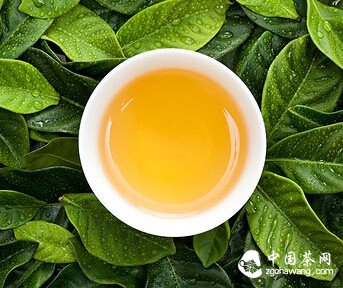
1. After the atomic bombing of Hiroshima, the low cancer incidence rate was attributed to the local preference for drinking tea.
2. Among surveys on the longevity of centenarians, 80% of them have a habit of drinking tea.
3. Antioxidant tests have confirmed that one cup of tea, 300 milliliters, has the antioxidant capacity equivalent to one and a half bottles of red wine.
4. Tea polyphenols are 18 times stronger than vitamin E. The polyphenolic compound EGCG in tea effectively blocks the HIV virus. Over 4,000 authoritative papers suggest that EGCG is a nemesis to almost all cancers.
5. Regular consumption of green tea reduces the incidence of cancer by more than 60%.

6. Among 63,257 people who regularly drink black tea, the risk of developing Parkinson's disease was reduced by 71%.
7. Drinking 10 small cups of tea daily can reduce the risk index of cardiovascular disease by 42%.
8. Among cataract patients, 71.4% had no habit of drinking tea.
9. Among 1,300 diabetic patients, 82% experienced significant symptom relief.
10. Drinking 8–10 grams of tea leaves per day can reduce body fat by approximately 1.5 kg.
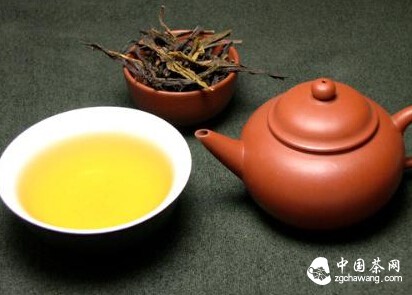
11. Almost all human diseases arise in acidic bodily environments, while almost all viruses cannot survive in a weakly alkaline body. Experts say only by changing one's own constitution can diseases be prevented. Common strongly alkaline foods include tea, grapes, and kelp.
12. Drinking tea makes you inexplicably happy. The amino acids in tea promote the secretion of dopamine, a substance that governs emotion, pleasure, libido, and addiction. The happiness from drinking tea is involuntary and beyond conscious control.
13. One pound of bud tea requires 60,000–80,000 tea buds.
14. 3000 years; the 23 billion US dollar tea industry accounts for 70% of the annual output value.
15. The largest tea producer is India. China is the birthplace of tea, but it is not our patent. Currently, more than 50 countries and regions cultivate and produce tea. Moreover, in terms of output, the top producer is India, not China.