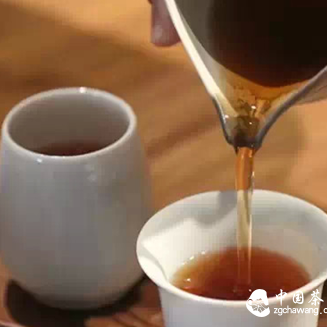
52 Classic Quotes about Phoenix Dancong Oolong, Overturning All Your Perceptions of It!
This article presents 52 insightful and often provocative quotes from tea farmers in Fengcheng, offering a deep dive into the world of Phoenix Dancong Oolong tea. It challenges common misconceptions, emphasizing the tea's profound complexity, the importance of personal tasting experience over hearsa...
Tea News · Feb 02, 2026
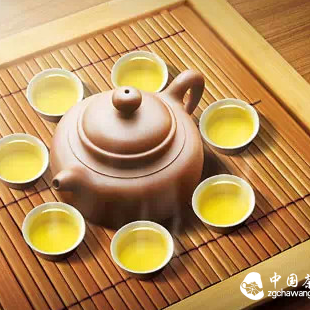
Summer Health Preservation: Eighteen Situations Where Drinking Tea is Not Advisable
While tea is often associated with health benefits, it is not suitable for everyone, especially during the hot summer months. Certain health conditions require caution or complete avoidance of tea consumption. For instance, individuals with liver disease, peptic ulcers, or coronary heart disease sho...
Tea News · Feb 01, 2026

Why Do Men Like Women Who Understand Tea
The article explores why some men are particularly drawn to women who appreciate tea. It lists ten key attributes often associated with tea-drinking women: they tend to be healthier, age more gracefully, maintain better figures, possess elegant and refined temperaments, know how to enjoy life with t...
Tea News · Feb 01, 2026
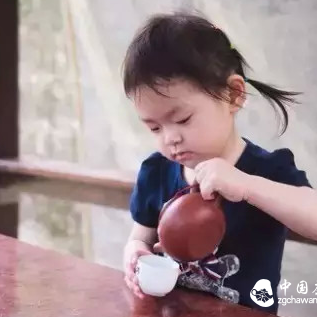
Children's Day, Can Children Actually Drink Tea?
The common belief that children should not drink tea is not entirely accurate. While tea is not recommended for preschool children, school-aged children can benefit from drinking it in moderation. Tea contains various minerals, vitamins, and organic compounds that supplement a child's nutritional ne...
Tea News · Feb 01, 2026
What is Qimen Black Tea 'Refined Tea'?
Refined tea refers to tea that undergoes further精细加工 after the initial rough processing of raw毛茶. This process significantly improves the overall quality of the tea. The refining of tea, especially for varieties like Qimen Black Tea, involves complex techniques aimed at sorting, shaping, grading, an...
Tea News · Feb 01, 2026
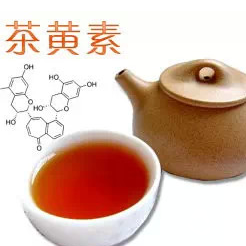
Dark Tea - A Lifesaver for Cardiovascular Disease Patients
Dark tea is presented as a beneficial beverage for individuals with cardiovascular conditions. The article explains that cardiovascular diseases are among the top three threats to modern health, often caused by factors like excessive diet, lack of exercise, and pollution. It details how compounds in...
Tea News · Feb 01, 2026
Water Determines the Quality of Tea
Tea brewing is both simple and complex. While the basic steps are easy, mastering the art requires skill. The quality of water significantly impacts the taste, aroma, and appearance of tea. Tap water, often treated to remove chlorine and impurities, is convenient but not ideal. Spring water is excel...
Tea News · Feb 01, 2026
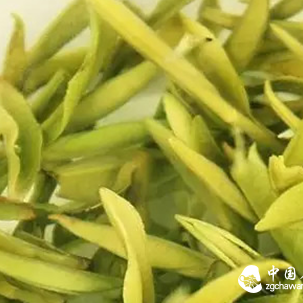
Appreciating the Subtle Differences in Professional Terminology
This text explores the nuanced vocabulary used to describe the flavor profiles of different teas. It categorizes teas into distinct taste types such as 'Fresh and Clear,' 'Fresh and Rich,' 'Fresh and Mellow,' and 'Fresh and Mild,' each defined by the tea's aroma, taste, and mouthfeel. The descriptio...
Tea News · Feb 01, 2026
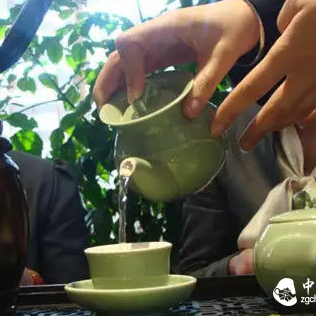
The Etiquette of Brewing, Serving, and Receiving Tea
When hosting guests, serving tea is a common courtesy that signifies goodwill and care. Proper tea etiquette involves more than just pouring hot water over leaves; it encompasses the manners of brewing, serving, and receiving tea, reflecting both the host's character and the mutual respect between h...
Tea News · Feb 01, 2026
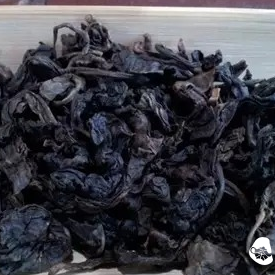
Relying on Seniority, Aged Tieguanyin is Unrestrained
Aged Tieguanyin is a premium variety of Tieguanyin tea, known for its mild nature and health benefits such as warming the stomach, replenishing qi, reducing fat and blood pressure, and calming the nerves. It is produced by baking, cooling, and sealing the tea for long-term storage, which promotes po...
Tea News · Feb 01, 2026