
Why is tea called the medicine for all diseases?
For Chinese people, drinking tea for health preservation is a tradition that has been passed down for thousands of years. In recent years, more and more research has been conducted on the health benefits of tea: anti-cancer, protecting cardiovascular health, anti-radiation... It seems that all healt...
Tea News · Jan 31, 2026
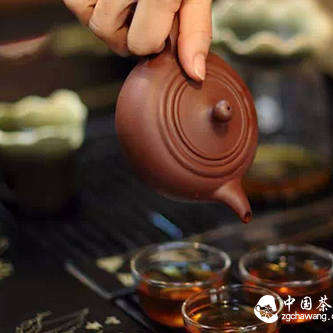
Anhua Dark Tea Helps You Inhibit Abdominal Fat Accumulation, No More Worrying About a 'Big Belly'
Anhua Dark Tea, fermented with Aspergillus niger, shows significant effects in inhibiting the increase of abdominal fat. During fermentation, it produces a component called Pu'nuo'er, which helps prevent fat accumulation. For weight loss purposes, it is recommended to drink freshly brewed strong dar...
Tea News · Jan 30, 2026
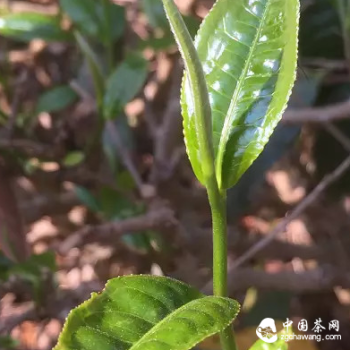
The Real Secret of Pu-erh Tea's Lipid-Lowering Effect, According to Doctors!
Pu-erh tea is widely believed to aid in weight loss and lipid reduction, but its complex composition made its exact mechanism a mystery. Traditional pharmacological models struggled to pinpoint specific active compounds among hundreds. However, recent medical research utilizing big data and metabolo...
Tea News · Jan 30, 2026
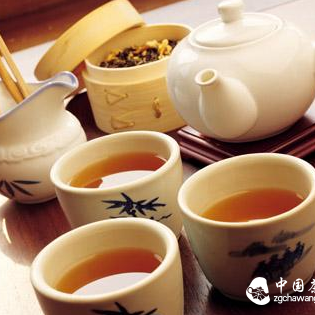
4 Best Times and 8 Major Taboos for Daily Tea Drinking
Tea drinking is a traditional Chinese custom with health benefits, but timing and methods are crucial. This article outlines the four optimal times for tea consumption: a floral tea at 9 AM to refresh and detoxify, green tea at 1 PM to aid digestion and protect blood vessels, and black tea at 6 PM t...
Tea News · Jan 30, 2026
Various Aromas of Pu-erh Tea (Raw and Ripe)
Pu-erh tea is renowned for its complex and evolving aroma profiles, which differ significantly between raw (sheng and ripe (shou varieties. Raw Pu-erh tea typically exhibits fresh, floral, and sweet aromatic notes such as floral, orchid, honey, woody, and rock sugar scents, often associated with s...
Tea News · Jan 30, 2026
I love Tieguanyin! How much do you know about it? (Part 2)
This article delves into the art of brewing Tieguanyin tea, emphasizing techniques like using a less dense filter and avoiding over-steeping lightly fermented varieties. It compares different types such as Qingxiang (light fragrance , Nongxiang (strong fragrance , and aged Tieguanyin, along with pro...
Tea News · Jan 30, 2026
The Taste of Pu-erh Tea
Pu-erh tea often presents a complex palette of flavors including sweetness, bitterness, astringency, sourness, wateriness, or even a subtle 'tastelessness.' These notes may appear individually or coexist within a single infusion. Sweetness is highly sought after by connoisseurs, while bitterness and...
Tea News · Jan 30, 2026
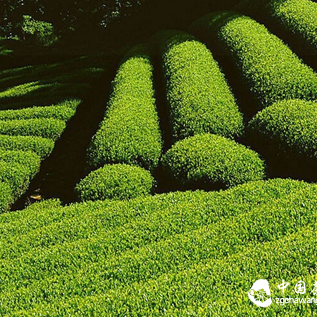
The Origin of the Tea Plant
The tea plant, scientifically named Camellia Sinensis (L. O. Kuntze, is a perennial evergreen woody plant belonging to the family Theaceae. Its origins trace back to the Cretaceous period, around 100 million years ago. Humans first discovered and used wild tea leaves for medicinal purposes, with hi...
Tea News · Jan 30, 2026
Tea Drinking for Weight Loss: Know the Taboos
Pu-erh tea is believed to aid in weight loss primarily due to the action of oligosaccharides it contains. These compounds can promote the growth of beneficial gut microbes, inhibit harmful bacteria, and help control blood cholesterol and fat levels. The article introduces a specific Pu-erh tea weigh...
Tea News · Jan 30, 2026
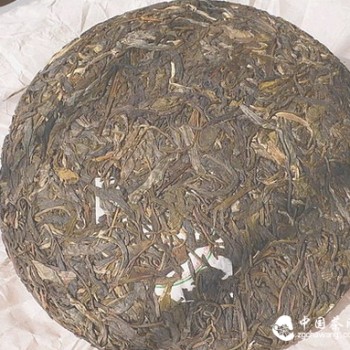
The Origin of Tea Cakes, the Bitter Taste of Tea Turns Sweet
Tea cakes, also known as compressed tea or round tea, originated in the Northern Song Dynasty when Ding Jin, the Fujian transport commissioner, first created 'Phoenix Cakes,' later followed by 'Dragon Cakes.' These Dragon and Phoenix Cakes served as imperial tribute tea until the Ming Dynasty. In th...
Tea News · Jan 30, 2026