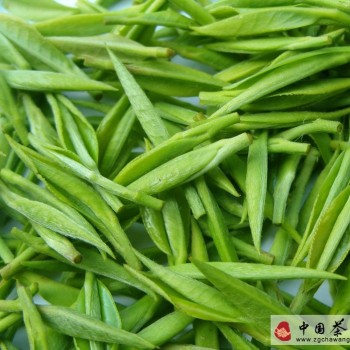
Clear, Blue, and Emerald Green Tea
Green tea is the tea category with the longest production history and the most varieties in China. Its processing involves picking tender buds and leaves, followed by high-temperature deactivation to prevent fermentation, preserving its characteristic emerald green color and forming its unique appea...
Tea News · Nov 11, 2025
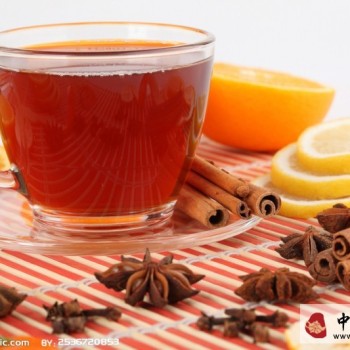
Expert Advice: Women's Summer Health Tea Therapy
Tea therapy combines traditional Chinese medicine with tea culture, utilizing the medicinal properties of tea leaves either alone or with other herbs for daily health maintenance and disease prevention. Rich in minerals, amino acids, and compounds like theaflavins and catechins, tea offers holistic...
Tea News · Nov 11, 2025
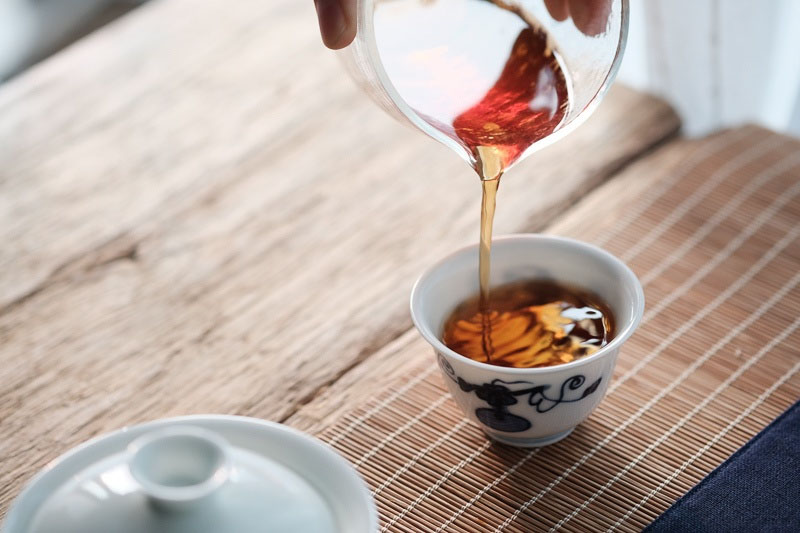
Does Tea Choose Its Drinkers?
According to traditional Chinese medicine, different teas possess distinct properties that may suit different individuals. Green tea is considered cooling, black tea is warming, while floral tea falls in between as neutral. Generally, most adults can consume any type of tea without negative effects....
Tea News · Nov 10, 2025
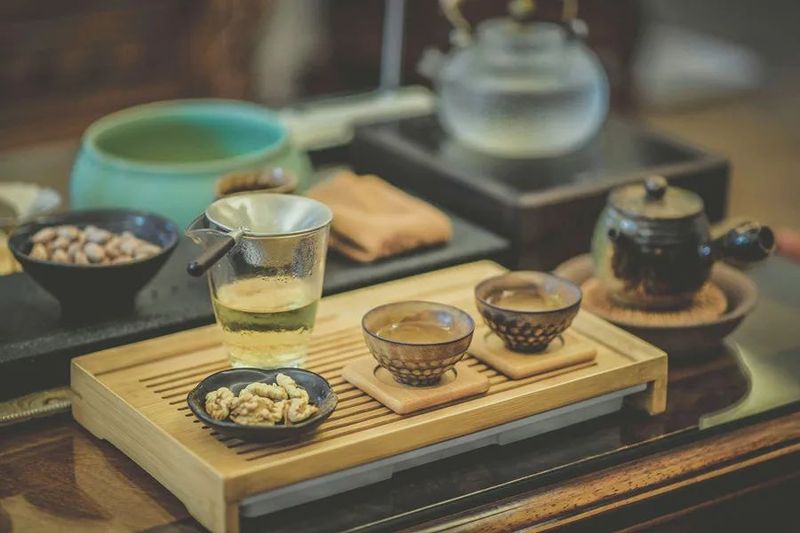
Storage Methods for Anhua Dark Tea
This article outlines five effective storage methods for Anhua Dark Tea. The methods include: 1 Lime Storage - using sealed ceramic jars with lime packets replaced monthly; 2 Charcoal Storage - layering tea with charcoal in containers; 3 Thermos Storage - sealing tea in new thermoses with wax; 4 ...
Tea News · Nov 10, 2025
The Efficacy and Effects of Maofeng Tea
Maofeng tea, often associated with varieties like Huangshan Maofeng, is a term for tender baked green teas. Rich in caffeine, it stimulates the central nervous system to boost alertness and mental focus while enhancing metabolism and blood circulation. Its content of vitamins, proteins, and polyphen...
Tea News · Nov 09, 2025
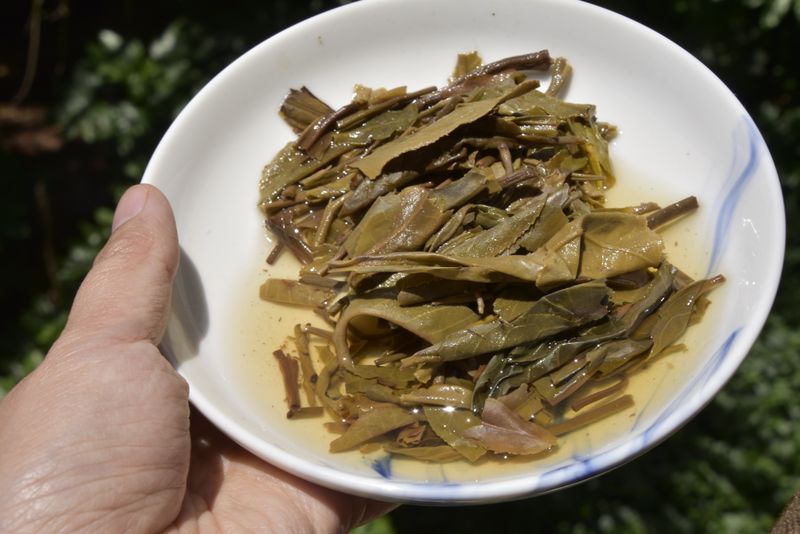
What Are the Hazards of Drinking Strong Tea
Drinking tea is beneficial to health, but it doesn't mean that the stronger and more you drink, the better. Health preservation reminders indicate that regularly consuming strong tea has many disadvantages, which not only wastes tea leaves but also harms physical health. Strong tea may cause constip...
Tea News · Nov 08, 2025
Eight Key Points of Tea Tasting
The art of tea tasting can be summarized in eight essential steps: Preparation, Cleaning, Selection, Brewing, Serving, Tasting, Refilling, and Clearing. This comprehensive process begins with preparing tea leaves, hot water, tea sets, and the tasting environment. It involves cleaning and warming the...
Tea News · Nov 06, 2025
Black Tea Knowledge
Black tea is a fully fermented tea. During the fermentation process, the tea tannins oxidize to form tannin red, which not only gives the tea leaves a dark color and bright red infusion but also transforms its aroma and flavor. It develops a fruity fragrance and mellow taste, making it distinctly di...
Tea News · Nov 05, 2025
How to Drink and Store Pu-erh Tea in Summer
During summer, proper consumption and storage of Pu-erh tea are crucial. Pu-erh tea is categorized into raw (sheng and ripe (shou varieties. Raw Pu-erh, similar to green tea, is refreshing and helps relieve summer heat but may not suit those with cold or deficient stomachs. Ripe Pu-erh, fermented...
Tea News · Nov 04, 2025
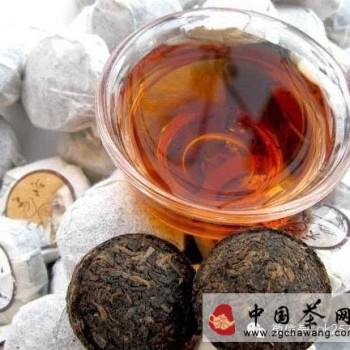
The Difference Between Pu-erh Tea and Dark Tea
Pu-erh tea and dark tea are two distinct concepts. Pu-erh tea refers specifically to one type of tea, classified under the category of dark tea, which is one of China's six major tea classes. While Pu-erh is considered a dark tea, there are both similarities and differences between them, and some ar...
Tea News · Nov 03, 2025