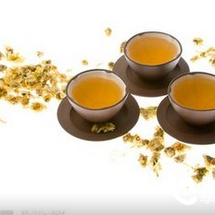
Drink These 4 Types of 'Heat-Relieving Tea' in Summer
Summer is the perfect time for refreshing teas that can help beat the heat. This article recommends four beneficial teas: Lotus Root Tea for calming the mind, Rose Tea for its soothing fragrance, Longan and Lily Tea for nerve relaxation, and Longan Tea to improve sleep and memory. However, drinking...
Tea News · Oct 15, 2025

Washing Your Face with Tea Water: Fade Spots, Whiten Skin, Remove Oil, and Banish Acne. Only by Trying It Will You Know It's Extraordinary!
Tea, nurtured by rain, dew, and sunlight on mystical mountains, carries a pure and harmonious essence, often called an immortal bud beyond the mundane world. A tea leaf undergoes processes like rolling, baking, and pressing before it becomes brewable, akin to a phoenix reborn through涅槃 (nirvana , ga...
Tea News · Oct 14, 2025
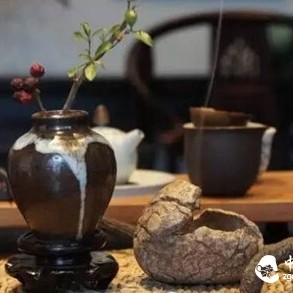
The Transhistorical Culture of Black Tea
Black tea's history began over four centuries ago in Wuyi Mountain due to an accidental oxidation process, creating the first Lapsang Souchong. This distinctive tea later sailed to Europe via Dutch merchants, captivating British aristocracy and sparking afternoon tea traditions. While China's tea se...
Tea News · Oct 14, 2025

The 'Thickness' and 'Thinness' of Pu-erh Tea's Liquor Body
The concepts of 'thickness' and 'thinness' describe the texture of Pu-erh tea's liquor body, distinct from mere concentration. Thick tea feels饱满 (full , 厚重 (weighty , and 甸实 (substantial in the mouth, offering a rich, smooth, and satisfying experience due to a high density of dissolved substances....
Tea News · Oct 11, 2025
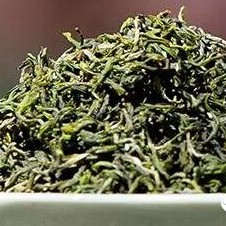
Tea Hunting: 'Cloud Mist' Tea from the Depths of Misty Peaks
Lushan Cloud Mist tea, one of China's top ten famous teas, is a green tea renowned for its 'mellow taste, elegant color, fragrant aroma, and clear liquor.' Known in ancient times as 'Wenlin Tea,' it has a planting history of over a thousand years dating back to the Han Dynasty and was listed as a 'T...
Tea News · Oct 09, 2025
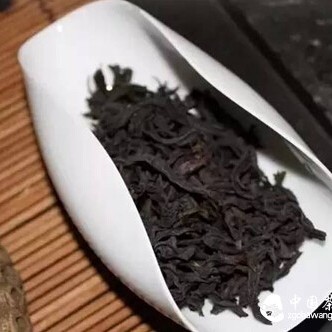
Why Do Lips and Tongue Feel Numb After Drinking Rock Tea?
Drinking Rock Tea (Yan Cha may cause temporary numbness in the lips and tongue due to its unique processing method involving roasting. The roasted tea leaves produce a thick, heavy liquor that creates a distinct thickening sensation on the tongue. Specific varieties like Rou Gui can intensify this...
Tea News · Oct 07, 2025
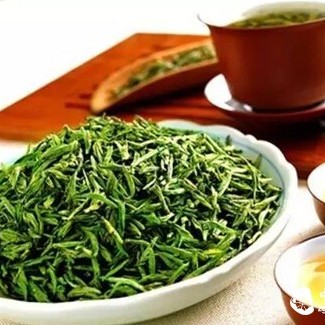
99% of People Actually Don't Know 'How Much Tea Should I Use?'
For beginners learning to brew tea, determining the right amount of tea leaves is a common challenge. Is it the same for all teas, or does it vary? While experience is the best teacher, this guide offers foundational knowledge. A common tea-to-water ratio is 1:50 (1 gram of tea per 50 ml of water ,...
Tea News · Oct 05, 2025

Have You Ever Seen Such Da Hong Pao?
Da Hong Pao is a shrub-type plant that can grow up to 2 meters tall. It has dense branches with grayish trunks and often hosts symbiotic green moss. Its elliptical leaves are 6-7 cm long with serrated edges and thick, glossy texture. The plant blooms white flowers from November to January. What dist...
Tea News · Oct 04, 2025

Identification of New Tea and Old Tea
Distinguishing between new and old tea is essential as they differ in quality and value. The identification primarily involves four key aspects: visual inspection, texture assessment, aroma evaluation, and taste testing. New tea typically appears fresh with dry, hard, and loose leaves, while old tea...
Tea News · Oct 03, 2025

【Tea Knowledge】Tasting Dark Tea: Learning to 'Observe the Color of Tea'
Tasting dark tea requires a comprehensive approach beyond quick judgments. The process involves four key aspects: observing the color of the tea soup and the shape of leaves after brewing, where the tea reverts to its natural state with deepening, crystal-clear liquor; smelling the aroma to identify...
Tea News · Oct 03, 2025