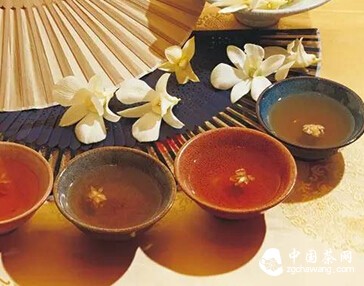
1. Choose Tea According to Constitution
Chinese tea is divided into six major categories: Green Tea, Black Tea, Yellow Tea, White Tea, Green Tea (Oolong), and Dark Tea. The six types of tea have different natures and thus have different effects on the human body. For example: Green tea is cooling in nature and is suitable for people with a hot constitution, strong stomach fire, and plenty of energy. Green tea has good anti-radiation effects and is very suitable for people who often work in front of computers. White tea is cool in nature and its applicable crowd is similar to green tea, but "aged green tea is grass, aged white tea is treasure"; aged white tea has the effect of expelling evil and supporting the right. Yellow tea is cold in nature, and its effects are largely similar to green tea. Oolong tea is neutral in nature and has the widest range of suitable people. Black tea is warm in nature and is suitable for those with cold stomach, cold hands and feet, weak constitution, and older people. Dark tea (Pu-erh tea) is warm in nature; it can remove grease, resolve meat toxins, and reduce blood lipids. It is better to drink it after being stored for a while, as the taste and curative effect are improved.
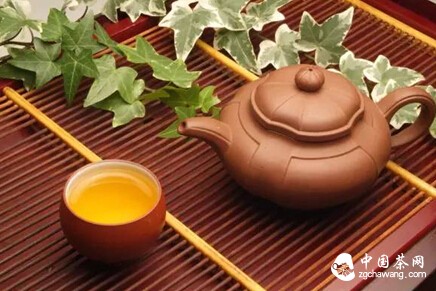
2. Choose Tea According to Season
Spring and summer are suitable for drinking more green tea. Spring is suitable for drinking Xinyang Maojian and Biluochun; these two green teas have a growth-promoting effect and can alleviate spring fatigue. Drinking green tea in summer can clear heat, detoxify, and lower blood lipids. Autumn is the best time to drink Oolong tea. Oolong tea is between green tea and black tea, with a neutral nature, neither cold nor warm, making it very suitable for drinking in autumn. It can excite the nerves and make one feel refreshed. Dark tea is most suitable for drinking in winter, especially ripe Pu-erh tea, which has a warm nature and is most appropriate for winter consumption. Winter has heavy cold energy and is a season when Yang energy is stored; ripe Pu-erh can generate heat and warm the stomach. Additionally, Pu-erh tea has a certain effect on weight control. Replacing daily sweet drinks with low-calorie Pu-erh tea can control calorie intake.
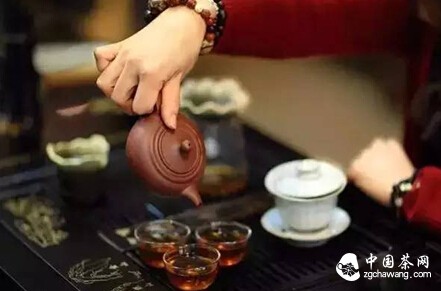
3. How to Brew Tea
Brew green tea with lower water temperature. Control the ratio of tea to water when brewing; it should not be too strong. Light tea is beneficial for health preservation. When brewing green tea, the water temperature should be 80°C, and the brewing time should be 2~3 minutes. For 3 grams of green tea, use 150 ml of water for the most moderate strength. The brewing methods for yellow tea and white tea are similar to green tea. Black tea is best brewed with boiling water and should be steeped a bit longer, about 5 minutes, to help dissolve the flavonoid health-preserving substances in black tea, resulting in a stronger aroma and better health effects. Oolong tea also prefers boiling water. The amount of tea used for brewing is relatively large. Taking a purple clay pot as an example, it needs half pot tea and half pot water and can be brewed 5~6 times. Dark tea, represented by Pu-erh tea, needs rinsing. Before the first formal brewing, soak it in boiling water for 10 seconds, pour it out, and then brew formally. This can filter out impurities and make the tea taste more mellow.
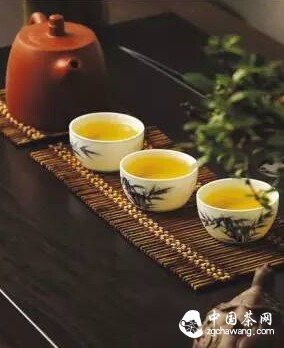
4. Three Cups of Tea a Day Is Most Suitable
The first cup is morning tea, suitable for drinking after breakfast between 9 and 10 am. It can refresh, detoxify, and fight fatigue. Flower tea is the best choice for morning tea. The second cup is afternoon tea, best drunk between 1 and 3 pm after lunch or a nap. Afternoon tea can be a bit stronger. Green tea, with its functions of anti-oxidation, clearing free radicals, and anti-virus, is most suitable. The third cup is evening tea, suitable for drinking between 6 and 7 pm after dinner. Black tea has the effects of lowering blood lipids and aiding digestion, making it the best choice for evening tea.

5. Drink Tea 1 Hour After Meals
When drinking green tea, it is best to brew and drink it immediately. If the temperature is too high or the time is too long, the tea soup will turn yellow, and the aroma will volatilize completely. Even when drinking immediately, wait until the water temperature is not scalding before drinking. It is best to drink tea half an hour to an hour after a meal. Drinking tea directly after a meal will hinder the body's absorption of iron and protein. Also, drink less tea before bed to avoid insomnia.
By following the above five points, you can not only enjoy the pleasure of drinking tea but also achieve the goal of health preservation.