Traditional Chinese Medicine believes that different teas have different properties, some cooling, some warming...
People with different body types should choose tea that corresponds to their body. Knowing how to avoid the "pitfalls" of tea drinking and maximize benefits allows you to drink tea for good health, not harm!
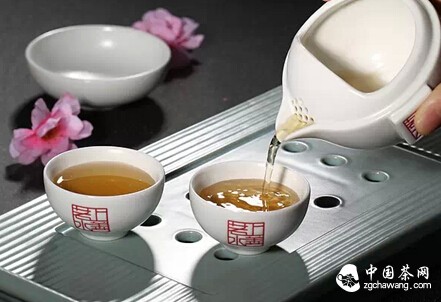
Choose the Right Tea Based on Your Constitution!
Hot Constitution: Suitable for cooling teas like Prunella vulgaris, honeysuckle, chrysanthemum, pagoda tree flower, etc., to clear heat and detoxify.
Cold/Deficient Constitution: Suitable for warm teas like jasmine, plum blossom, rose, Chinese rose, saffron, etc., to activate blood and dispel cold.
Qi and Blood Deficiency: Suitable for warming and tonifying teas like goji berries, longan, astragalus with jujube, or codonopsis boiled in water.
Spleen and Stomach Disharmony: Suitable for teas that strengthen the spleen and harmonize the stomach, like Pu'er, barley, jujube with black plum, tangerine peel tea, etc.
Detox and Stress Relief: Cassia seed, licorice green tea, osmanthus black tea, jasmine tea, etc.

Don't drink the same type of tea long-term, for example...
Drinking one type of tea long-term can also accumulate its negative aspects. For instance, the following 8 commonly drunk teas each have pros and cons. Making appropriate adjustments can maximize benefits and avoid harm.
Cassia Seed: Although it can lower blood lipids, it can also cause diarrhea. Long-term use by women may lead to irregular menstruation or even endometrial abnormalities. Avoid if having diarrhea, low blood pressure, or pregnant.
Honeysuckle: The nature is cold. No one should drink it long-term, especially those with deficient-cold spleen/stomach, qi deficiency, weak constitution, or women during menstruation.
Senna Leaves: Brewed as tea, it can relieve constipation, but long-term use for chronic, habitual constipation can lead to dependence, requiring larger doses until ineffective. Absolutely avoid during breastfeeding, menstruation, and pregnancy.
Goji Berries: Have a strong warming effect on the body. Not suitable for people with high blood pressure, irritable temperaments, or those who eat a lot of meat and have a red complexion.
Sterculia Seed: Suitable for hoarseness caused by wind-heat pathogens attacking the throat. Ineffective for hoarseness from other causes. Use with caution, especially for sudden loss of voice in the elderly or those with spleen deficiency.
Licorice Root: Although it can tonify spleen qi and clear heat, long-term use can cause edema and elevated blood pressure.
Chrysanthemum: A cold-natured herb. Although it clears heat and detoxifies, it is not suitable for Yang-deficient constitutions.
Ginseng Slices: Can tonify primordial qi, promote fluid production, calm the spirit, tonify the spleen and lungs. But long-term or excessive use by strong, healthy individuals...

5 Types of People Who Should Not Drink Tea Casually!
1. Avoid tea when having a fever: The caffeine in tea leaves can not only raise body temperature but also reduce drug efficacy.
2. Patients with liver disease should avoid tea: Most substances like caffeine in tea are metabolized by the liver. If the liver is diseased, excessive tea consumption beyond the liver's metabolic capacity can damage liver tissue.
3. Those with neurasthenia should drink tea cautiously: Caffeine in tea excites the central nervous system. Drinking strong tea, especially in the afternoon and evening, can cause insomnia and worsen the condition.
4. Ulcer patients should drink tea cautiously: Tea is a stimulant for gastric acid secretion. Drinking tea can increase gastric acid secretion, increasing irritation to the ulcer site.
However, for mild cases, drinking some weak tea 2 hours after taking medicine, such as sweetened black tea or black tea with milk, can help reduce inflammation and protect the gastric mucosa, and may have some benefit for the ulcer.
5. Pregnant women should avoid tea: Especially strong tea. Tea contains a large amount of tea polyphenols, caffeine, etc., which pose many unfavorable factors for the growth of the fetus in the womb.