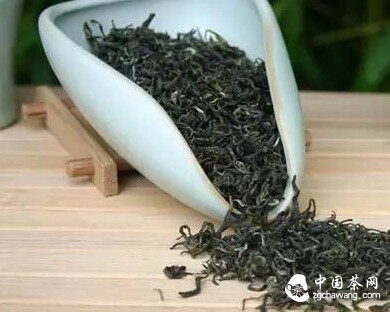
Green Tea: The Leader of Six Teas, Clears Heat and Irritability
Green tea is unfermented, well preserving the natural substances in tea leaves. Nutrients such as vitamins, chlorophyll, tea polyphenols, and amino acids are the most abundant among all tea types. Green tea can clear internal heat, reduce irritability, enhance thinking ability, and improve immunity.
Who it suits: Busy working adults, mental laborers, and those who frequently use computers.
Who should be cautious: Green tea is cooling in nature. Although it can clear heat and reduce irritability, it may irritate the stomach. Those with weaker spleens and stomachs should drink less or use fewer leaves when brewing to reduce irritation.
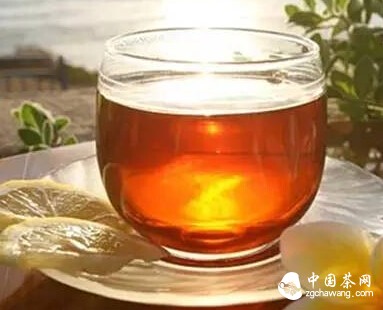
Black Tea: Warm and Sweet, Regulates Spleen and Stomach
In China, black tea is the second largest tea type after green tea. Both the dry leaves and the brewed tea soup are red, hence the name black tea.
Black tea is fermented and has a relatively mild nature, helping to regulate the spleen and stomach. Abroad, it is common to add milk and sugar to black tea to supplement nutrition and increase body heat.
Who it suits: Those with poor digestion or weak constitutions who should not drink green tea may find black tea more suitable.
Who should be cautious: Black tea is warm in nature, so it is not very suitable for those who are currently experiencing internal heat or usually have a hotter constitution.
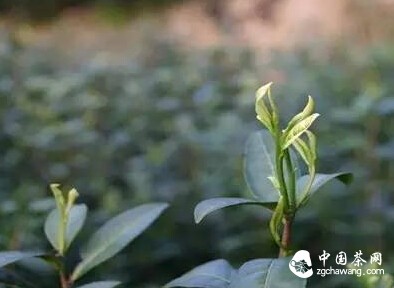
White Tea: A Treasure Tea That Lowers Blood Sugar
White tea is lightly fermented and is a special treasure among Chinese tea types. It is named because its finished tea often consists of buds covered with white hairs, resembling silver or snow. Main varieties include Baihao Yinzhen, Baimudan, Gongmei, and Shoumei.
Who it suits: White tea is most suitable for diabetics because it is not stir-fried or rolled during processing, so the polysaccharides in the tea remain largely intact. Tea polysaccharides have certain efficacy in treating diabetes. Additionally, white tea is cooling in nature and can reduce internal heat, relieve dryness, and treat constipation.
Who should be cautious: Diabetics should brew white tea with lower temperature water, around 80°C, steeping for 4 to 6 hours, and drink it in the morning and evening. Do not use boiling water to avoid destroying tea polysaccharides.
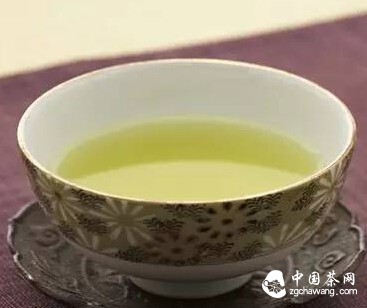
Yellow Tea: Good Anti-Cancer and Antibacterial Effects
The reputation of yellow tea is not as well-known as green or black tea, but if Junshan Yinzhen and Huoshan Huangya are mentioned, more people will know—yes, they belong to yellow tea.
Who it suits: Yellow tea requires "wetting" (pile-fermentation), which produces a large amount of digestive enzymes beneficial for the spleen and stomach. It is most suitable for those with indigestion, poor appetite, or excessive smoking and drinking. Moreover, yellow tea retains over 85% of its natural substances, which have special effects in preventing cancer, fighting cancer, sterilizing, and reducing inflammation, surpassing other teas.
Who should be cautious: Yellow tea contains more caffeine and tea polyphenols, which can easily cause excitement and increase urination. Therefore, it is not suitable for pregnant women as it may harm the health of the mother and fetus, potentially leading to conditions like gestational poisoning.
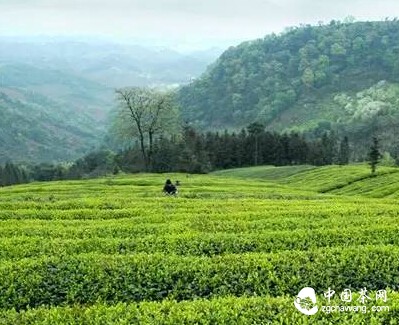
Oolong Tea: Fat-Reducing and Weight-Loss Beauty Tea
Oolong tea is a type of tea between green and black tea. It combines the processing methods of both, with qualities intermediate between them—having the strong, fresh taste of black tea and the fresh, fragrant aroma of green tea, praised as "green leaves with red edges." Its pharmacological effects are prominent in decomposing fat, reducing weight, and promoting fitness.
Who it suits: Oolong tea is most suitable for obese people. Due to its good effects in lowering blood lipids, cholesterol, and aiding digestion, it is called the "Beauty and Fitness Tea" in Japan. Additionally, oolong tea has a refreshing effect, suitable for students studying late or overtime workers.
Who should be cautious: All who drink oolong tea should avoid drinking it on an empty stomach, as it can cause hunger and easily lead to "tea drunkenness." Also, do not drink it before bedtime to avoid insomnia. Furthermore, pregnant women should not drink it, as the theine has a stimulating effect, increasing fetal movement and potentially harming the fetus.
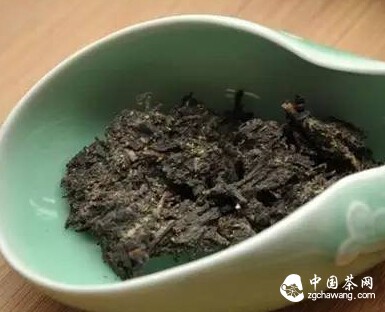
Dark Tea: Underweight Individuals Should Avoid
Dark tea is also unique to China and is widely spread in ethnic minority areas of the border regions. Dark tea is 100% fermented, belonging to post-fermented tea, such as the highly regarded Pu-erh tea in recent years.
Who it suits: Dark tea is most suitable for those who usually enjoy eating meat because it is warm and moist in nature, with significant effects in removing grease, reducing fat, lowering blood pressure, and blood lipids.
Who should be cautious: First and foremost, pregnant women should avoid it. Dark tea contains large amounts of tea polyphenols and caffeine, which are harmful to fetal development. Secondly, underweight individuals, those with malnutrition or protein deficiency should stay away, as dark tea removes fat and hinders protein absorption. The third group to be cautious are vegetarians. Drinking dark tea can lead to deficiencies in vitamin B, iron, calcium, etc., and vegetarians may already have insufficient intake of these elements. Also, those with severe arteriosclerosis or hypertension should not drink dark tea. The theine and caffeine in tea pose potential risks for those with arteriosclerosis, possibly promoting cerebral thrombosis formation (generally, those with hypertension can drink some dark tea in moderation). Additionally, anemic individuals should not drink dark tea, as the tannic acid can combine with iron to form insoluble compounds, blocking the body's iron source.