Due to the strong adsorption capacity of tea leaves and their tendency to absorb odors, coupled with the fact that most aroma components in tea are formed during processing and are relatively unstable, they are highly prone to natural dissipation or oxidative deterioration. Therefore, it is recommended that consumers use the following methods to store opened tea leaves:
(1) Using a dry box for storage: Because the temperature in a dry box is stable and it isolates air, storing tea leaves in a dry box prevents moisture or oxidation.
(2) Using a refrigerator for storage: To maintain the freshness and aroma of tea leaves, low-temperature storage is best, especially for more delicate teas such as Longjing, Biluochun, and Huangshan Maofeng. It is important to note that the refrigerator used for storing tea must be hygienic, clean, and free of odors, and should not store anything other than tea.
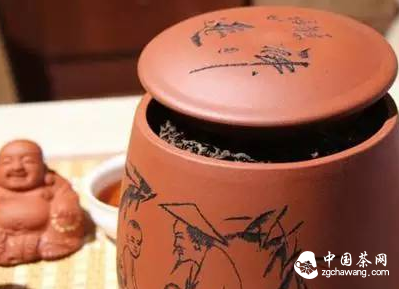
(3) Using a thermos for storage: Clean the thermos thoroughly, then pour the tea leaves to be stored into it, and seal it tightly with the stopper.
(4) Using containers for storage: First, use small containers to portion out small amounts of tea for daily use, and store the remaining tea in a larger sealed container. It is best not to use glass jars, ceramic jars, wooden boxes, or medicine containers, as these are transparent, not moisture-proof, and fragile. Suitable container materials include: Tin or iron cans: These are opaque and are the most suitable material. Before packaging, place a layer of tissue paper or kraft paper inside the can, and ensure the can is clean, dry, and odor-free. Iron cans: Preferably use double-lidded cans. Before packaging, place a layer of tissue paper or kraft paper inside, and seal any gaps in the lid with adhesive tape. Sealed containers: Commercially available sealed containers are often transparent. When using them, it is best to first pack the tea leaves in an aluminum foil bag before placing them in the container. Additionally, desiccant can be added to enhance moisture prevention.
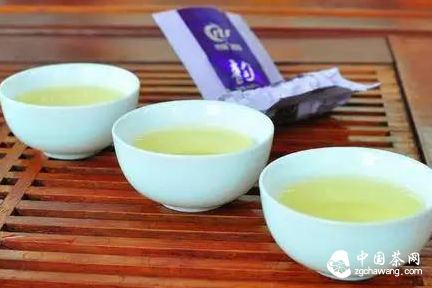
(5) What to do if tea leaves become damp and soft? You can use an oven, microwave, or frying pan to remove moisture from the tea leaves. However, ensure that the oven, microwave, or frying pan is free of odors and impurities. The baking time also requires experience. Additionally, allow the tea leaves to cool completely before packaging to prevent deterioration.
Note: The storage of Pu'er tea is different from other types of tea. Since Pu'er tea requires moisture from the air to aid continuous fermentation, it should not be stored in airtight containers. It is best stored in clay pots or purple clay pots and placed in a well-ventilated indoor area. Additionally, compressed tea bricks or tuo cha are best broken apart before storage.