Green Tea
The characteristic of Green Tea is "green leaves and green soup".
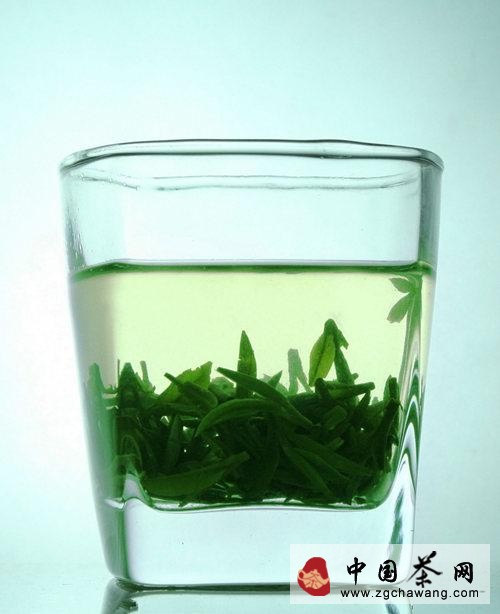
Its processing involves three steps: fixation, rolling, and drying. Longjing Tea and Biluochun Tea are the most famous. Longjing Tea is produced in Shifeng, Wuyun Mountain, Hupao Mountain, and Longjing of West Lake, Hangzhou. Its quality is characterized by a shape like sparrow tongues, emerald green color, rich and strong fragrance, and a fresh, brisk taste. It is known as the pinnacle of tea for its "beautiful shape, green color, rich aroma, and mellow taste". Biluochun Tea is produced on Biluo Peak in Dongting Mountain, Taihu Lake, Jiangsu. The tea leaves are curled like permed hair into spirals, covered with tender white fuzz, and the brewed leaves are as tender as sparrow tongues.
Black Tea
The characteristic of Black Tea is "red leaves and red soup".
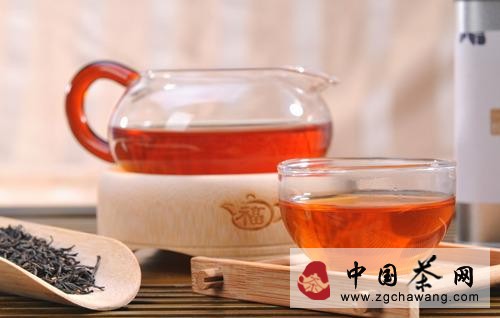
Its processing involves four steps: withering, rolling, fermentation, and drying. The most famous is undoubtedly "Qimen Hong" produced in Qimen County, Anhui Province. It has tight, thin, and elegant strips with a bright, clear red soup. Its aroma resembles both fruit and flower scents. When drunk, it tastes mellow and smooth, refreshing and lasting, with a profound aftertaste and fragrance within the flavor. British people love Qimen Hong the most, calling it "the best among all fragrances".
Dark Tea
The characteristic of Dark Tea is "dark oily or brownish-green leaves, with an orange-yellow or brownish-red soup".
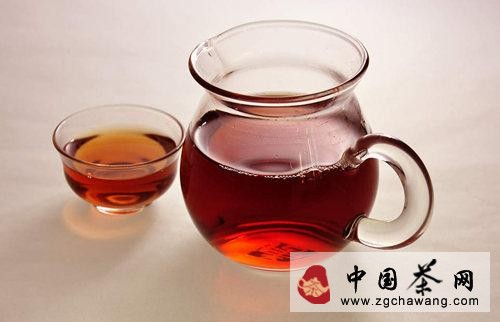
The primary processing method is pile-fermentation for color change, meaning after the tea leaves are rolled, they are piled up for over 20 hours to turn the leaf color dark and oily.
The outstanding representatives of Dark Tea are Pu'er Tea and Liubao Tea. Pu'er Tea is produced in the southern part of Yunnan Province. It has a mild nature and medicinal effects, capable of sobering up, aiding digestion, and resolving phlegm. The Song Dynasty poet Wang Yu once wrote a poem praising the aroma and shape of Pu'er Tea: "Its fragrance surpasses that of orchids from nine fields, Its round shape resembles the full moon of mid-autumn. I cherish it, fearing to finish it, except for offering it to my white-haired parents." Liubao Tea is produced in Cangwu County, Guangxi. It is mainly sold to Hong Kong, Macau, and Southeast Asia. The quality of this tea is: blackish-brown color with a sheen, bright red soup color like amber, a mellow and thick taste, with notes of betel nut and a smoky flavor.
White Tea
The characteristic of White Tea is "apricot-yellow soup color".
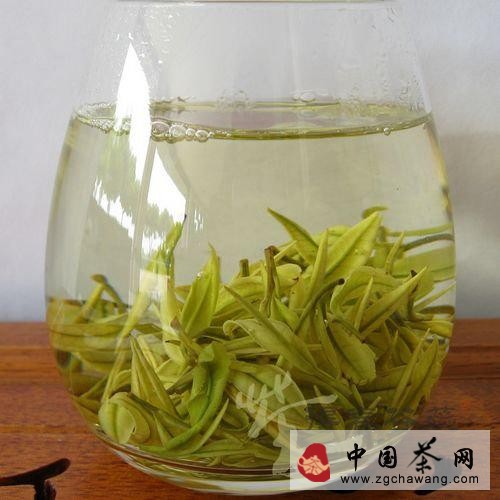
Its processing involves two steps: withering and drying. Traditional White Tea is neither rolled nor twisted, maintaining a natural shape, with the downy hairs intact and white pekoe covering the body. "Baihao Yinzhen" produced in northern Fujian is considered the best. It is shaped like sharp needles, silver in color, with fat, sturdy buds, thick茸毛, and rich luster. The tea has a fresh aroma and a mellow, smooth taste. It has the effect of strengthening the stomach and refreshing the mind, as well as reducing fever and internal heat.
Oolong Tea
Also known as Qingcha. Its characteristic is "golden soup color".

Its processing involves five steps: withering, tea making, fixation, rolling, and drying.
Wuyi Rock Tea produced in the Wuyi Mountain area of Fujian is the top grade among Oolong teas. It has a plump, even appearance, tightly curled, with a green, moist color and a precious sheen. Its intrinsic quality is rich and enduring, surpassing the fragrance of orchids. The tea is sweet, mellow, refreshing, and smooth with a fresh, lingering sweetness, possessing a unique "rock rhythm" (Yan Yun).
Yellow Tea
The characteristic of Yellow Tea is "yellow leaves and yellow soup".

Its processing includes one more step than Green Tea: a piling or sweltering process. The treasure is "Junshan Yinzhen", produced on a small island called Junshan in Dongting Lake. The tea buds are sturdy, with golden-yellow buds, firm and straight, densely covered with fuzz, uniform in length and size, praised as "gold inlaid with jade". After brewing, the aroma is fresh, the soup color is light yellow, the taste is sweet and refreshing, and the brewed leaves are transparent.
The six major tea types each have their own characteristics and unique features. Observing the color to identify tea allows you to better appreciate the wonders of different teas.