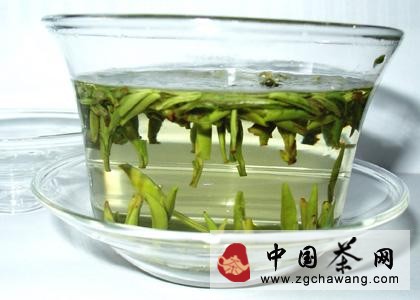
To maintain health through drinking tea, one must understand tea. Each type of tea has different properties, so it's essential to choose the tea that suits you. Additionally, tea drinking considers timing and environment. Drinking the same tea year-round is incorrect; thus, learning to select tea is crucial.
Choose tea according to body constitution. Chinese tea is divided into six major categories: green tea, black tea, yellow tea, white tea, oolong tea, and dark tea. The six tea types have different natures and effects on the human body. For example: Green tea is cool-natured and suitable for those with warm body constitutions, strong stomach fire, and abundant energy. Green tea has good anti-radiation effects, making it ideal for people who often work in front of computers. White tea is cool-natured, suitable for similar groups as green tea, but "aged green tea is grass, aged white tea is treasure"—aged white tea has the effect of expelling pathogens and supporting vitality. Yellow tea is cool-natured, with effects roughly similar to green tea. Oolong tea is neutral-natured and suits the widest range of people. Black tea is warm-natured, suitable for those with cold stomachs, cold hands and feet, weak constitutions, and older individuals. Dark tea (Pu-erh) is warm-natured, can remove grease, resolve meat toxins, and lower blood lipids. Drinking it after proper aging improves both taste and therapeutic effects.
Choose tea according to the season. Drink more green tea in spring and summer. Spring is suitable for Xinyang Maojian and Biluochun; these two green teas have growth-promoting effects that can alleviate spring fatigue. Drinking green tea in summer can clear heat, detoxify, and lower blood lipids. Autumn is best for oolong tea. Oolong tea is between green and black tea in nature, with a balanced character—neither cool nor warm—making it very suitable for autumn consumption. It can stimulate nerves and refresh the mind. Dark tea is most suitable for winter, especially ripe Pu-erh, which has a warm nature and is ideal for winter drinking. Winter has heavy cold energy and is a season for storing yang energy; ripe Pu-erh can generate heat and warm the stomach. Additionally, Pu-erh tea has certain weight control effects. Replacing daily sweet drinks with low-calorie Pu-erh tea can control calorie intake.
Tea must be brewed and drunk correctly for health preservation.
Brew green tea with lower water temperature. Brewing tea requires controlling the tea-to-water ratio; it shouldn't be too strong, as light tea benefits health. When brewing green tea, the water temperature should be 80°C, for 2-3 minutes, with 3g of green tea per 150ml of water for optimal strength. Yellow and white teas are brewed similarly to green tea. Black tea is best brewed with boiling water and steeped longer, about 5 minutes, to help dissolve flavonoids and other health-preserving substances, enhancing aroma and health effects. Oolong tea also prefers boiling water, uses relatively more tea leaves—for example, a purple clay teapot requires half tea leaves and half water, and can be brewed 5-6 times. Dark tea, represented by Pu-erh, requires rinsing: before the first formal brew, soak in boiling water for 10 seconds, discard the water, then brew formally. This filters impurities and makes the tea taste more mellow.
Three cups of tea a day are most appropriate. The first cup is morning tea, best consumed after breakfast between 9-10 AM, to refresh, detoxify, and combat fatigue. Flower tea is ideal for morning tea. The second cup is afternoon tea, best consumed between 1-3 PM after lunch or a nap. Afternoon tea can be slightly stronger; green tea, with its antioxidant, free-radical scavenging, and antiviral health functions, is most suitable. The third cup is evening tea, best drunk between 6-7 PM after dinner. Black tea, which lowers blood lipids and aids digestion, is the best choice for evening tea.
Drink tea 1 hour after meals. For green tea, it's best to brew and drink immediately. If the temperature is too high or steeped too long, the tea soup turns yellow, and the aroma dissipates. Even when drinking immediately, wait until the water temperature is not scalding. It's best to drink tea half an hour to one hour after meals. Drinking tea directly after meals hinders the absorption of iron and protein. Also, drink less tea before bed to avoid insomnia. Finally, remember not to chew tea leaves after drinking, as they may contain trace amounts of heavy metals like lead and cadmium, as well as water-insoluble pesticides, posing potential risks.