About White Tea, there is much to say, yet it's hard to organize my thoughts. Because it is so plain, with simple production and simple varieties. But when detailing its effects, you find this tea is truly not simple. The taste also varies from person to person; after storing for a few years, both the flavor and effects continuously change.
Simplicity One: Single origin, single tree species, easy to distinguish variety grades
White tea is produced in Fuding, Zhenghe, Jianyang, and Songxi in northeastern Fujian; almost no other regions produce it, making it the most 'residentialy' pure among the six major tea types.
White tea is generally made from Fuding Da Bai Cha, Fuding Da Hao Cha, Zhenghe Da Bai Cha, Minbei Shuixian, and the Min Northeast Cai Cha group species, making it the most singular in fresh leaf source among the six major tea types.
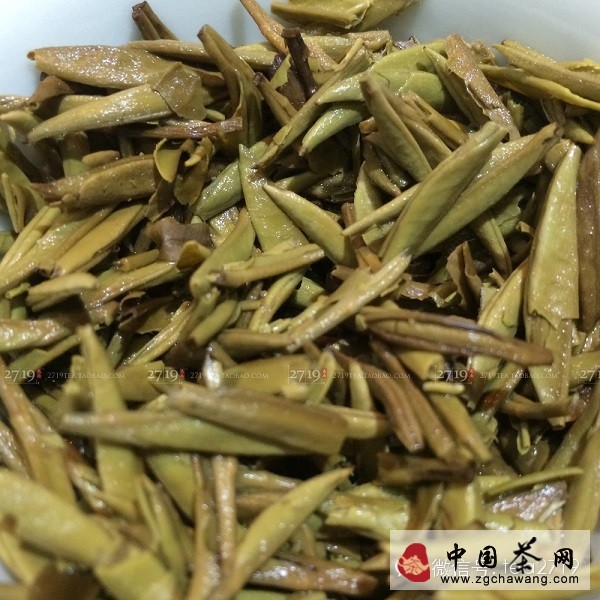
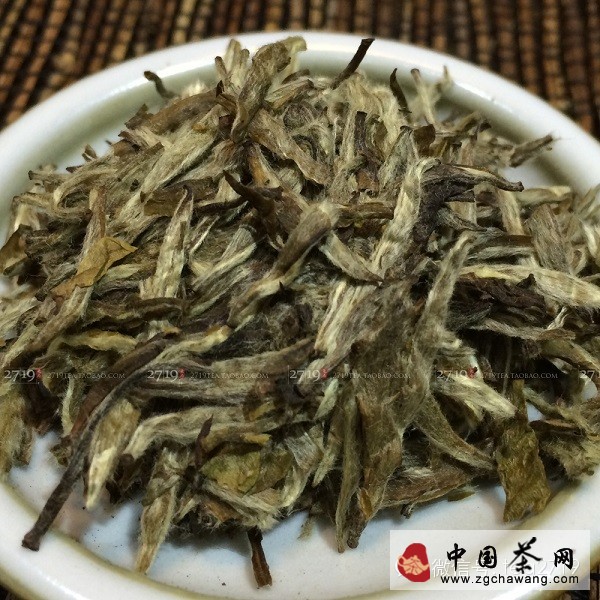
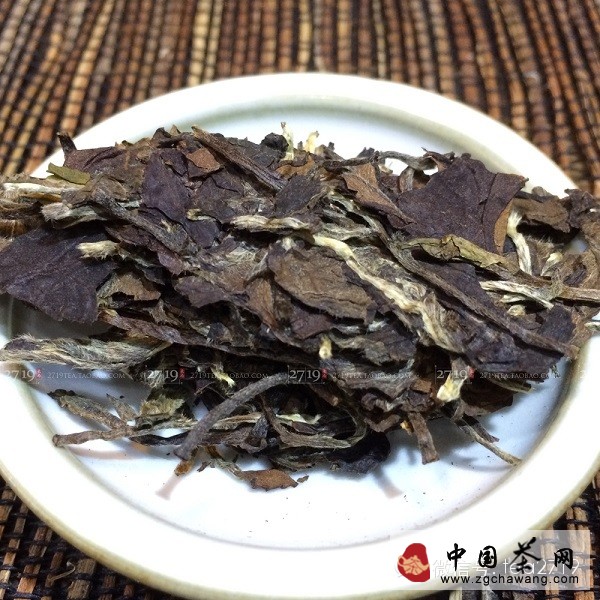
White tea varieties can also be said to be grades, from all tender buds in Baihao Yinzhen, to one bud and one leaf or one bud and two leaves in Bai Mudan, to mainly leaves in Shou Mei (a by-product after plucking the tender buds for Baihao Yinzhen), clear at a glance.
Simplicity Two: Natural production process
Contrary to rock tea's pride in complex and difficult processing, white tea's process is so simple there's little to say. After picking, the fresh leaves are naturally withered until 80% dry, then high-temperature baked until 90% dry, then sorted to remove yellow leaves and impurities, and it's done. This simple production process gives white tea its super health benefits and stores infinite mystery for future transformation.

Not Simple One: Multiple and strong effects
A quick Baidu search shows white tea has many health benefits, covering almost common chronic diseases like anti-aging, anti-tumor, diabetes, etc., all supported by domestic and foreign research. Thus, white tea has become a choice for many to show filial piety to elders.
Meanwhile, aged white tea also has remarkable effects on toothache, sore throat, and children's hives. Medically explained, its effective components are similar to antibiotics but safe without side effects. Tea farmers in Fujian often keep aged white tea at home, so minor ailments don't require hospital visits.
Not Simple Two: Taste varies by person and time
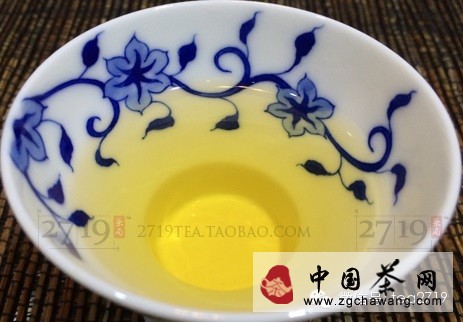
In terms of taste, no tea is as divisive as white tea. Some say it's as fresh as green tea, others as soft as black tea; some smell floral notes, others taste a sun-dried flavor; some recall childhood rice soup, others remember dragon boat festival reed leaves...
Perhaps because it maintains its natural character, unlike other teas where processing dominates the flavor, white tea carries scents from the fields, sunlight, and rain!
Over time, it continuously changes, offering a familiar yet always new feeling that surprises drinkers.
Has such tea moved you? Then please keep following the subsequent in-depth introductions to white tea.