By the Tang Dynasty, the custom of drinking tea had spread among the common people. Around 780 AD, Lu Yu compiled his research and experience related to tea into "The Classic of Tea," the world's first book on tea. Before this, the name for tea varied, but Lu Yu unified it using the character "茶" (chá) in his book, which was a key step in establishing "tea" as the general term for后世.
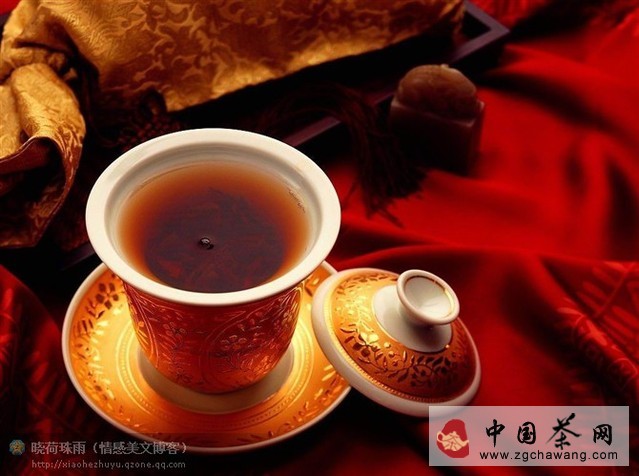
The exact origin date of black tea is unverifiable. "Duoneng Bishi" (Versatile Humble Matters), a book from the mid-Ming Dynasty (around the 16th century), mentions the name "black tea" (hong cha), which is the earliest known record. It is speculated that black tea production began in the 17th century, with Fujian's Lapsang Souchong being the first to appear. Based on the processing techniques of Lapsang Souchong, Gongfu black tea evolved in Fujian during the mid-18th century, featuring more refined manufacturing.
The world's four major/famous black teas are: Keemun Black Tea, Assam Tea, Darjeeling Tea, and Ceylon Highland Tea.
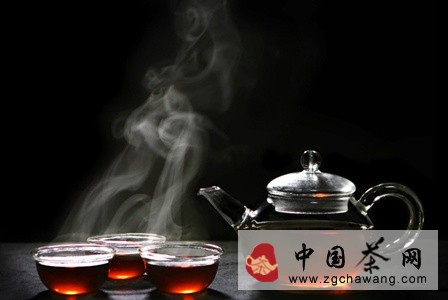
Keemun Black Tea,简称祁红, produced in the Qimen County area of Anhui Province, China, located in the southwestern foothills of the Huangshan Mountains. The local tea plant varieties are high-yielding and excellent in quality, grown in fertile red-yellow soil with a mild climate, ample rainfall, and moderate sunlight. This results in tender leaves rich in water-soluble substances, with the best quality harvested in August. Keemun tea has a tightly wound, fine, and even appearance with beautiful tips, and a dark, lustrous color (commonly called "precious light"). Its aroma is fresh and fragrant with a hint of honeyed sweetness; top-grade teas even contain an orchid-like fragrance (renowned as the "Keemun Aroma"), which is rich and long-lasting. The liquor is bright red and vibrant, with a sweet, fresh, and mellow taste. The spent leaves (tea dregs) are reddish and bright. Drinking it plain best allows one to appreciate its lasting fragrance; even adding fresh milk does not diminish its mellow aroma. It is most suitable for drinking in spring, and also perfect for afternoon tea or睡前茶.
Assam Tea is produced in the Assam valley area at the foothills of the Himalayas in northeastern India. The region has intense sunlight, requiring trees to be planted to provide适度遮蔽 for the tea bushes. Abundant rainfall promotes the lush growth of the tropical Assamica variety of tea plants. The quality is optimal from June-July picking, but the autumn tea harvested in October-November is more fragrant. Assam tea leaves are thin and flat in shape, with a dark brown color. The liquor is deep red with a slight brown hue, carrying a faint aroma of malt and roses. It has a strong taste, belonging to the category of robust teas, making it the best choice for winter tea drinking.
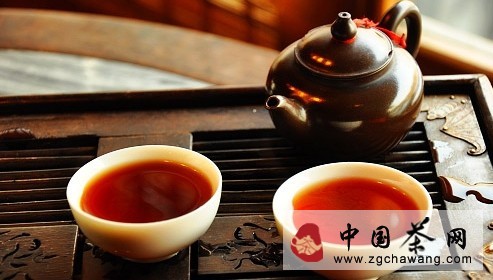
Darjeeling Tea is produced in the Darjeeling高原 area at the foothills of the Himalayas in northern West Bengal, India. The local average annual temperature is around 15°C, with充足日照 during the day but significant day-night temperature differences. The valleys are perpetually shrouded in mist and clouds, a major factor in developing this tea's unique aroma. The second flush tea harvested in May-June is of the highest quality, hailed as the "Champagne of Teas." Darjeeling tea commands a high price. The first flush tea from March-April is mostly greenish, while the second flush is golden. Its liquor is orange-yellow, with an elegant and noble fragrance; top grades particularly possess a muscatel grape aroma, with a delicate and smooth口感. Darjeeling tea is best enjoyed plain. However, because the leaves are larger, they need to be steeped a bit longer (about 5 minutes) to allow the leaves to fully unfurl and release their flavor. It is most suitable for afternoon tea or after a rich meal.
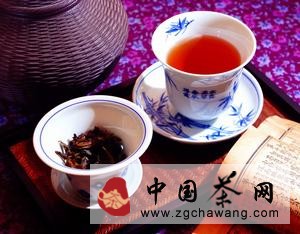
Ceylon Highland Tea is most famous for Uva tea, produced on the eastern side of the mountainous region, which is常年云雾弥漫. As the northeast monsoon brings rainfall during winter (November-February),不利茶园生产, the quality is最优 from July-September. Dimbula tea and Nuwara Eliya tea, produced on the western side of the mountainous region, are affected by the southwest monsoon rains during summer (May-August), with the best harvest from January-March. Ceylon highland tea is usually processed into broken leaf tea,呈现赤褐色. Among them, Uva tea has a bright orange-red liquor; top-grade Uva has a golden ring on the surface of the liquor, like a coronation. Its character is stimulating, revealing aromas like mint and lily of the valley. The taste is full-bodied, somewhat astringent, but with a sweet aftertaste. Dimbula tea has a bright red liquor, a refreshing and smooth taste with a floral aroma, and less astringency. Nuwara Eliya tea is lighter in color, aroma, and taste compared to the former two. Its liquor is orange-yellow, with a clean, fresh fragrance, and a taste somewhat closer to green tea.