Introducing the Most 'Authentic' Black Tea
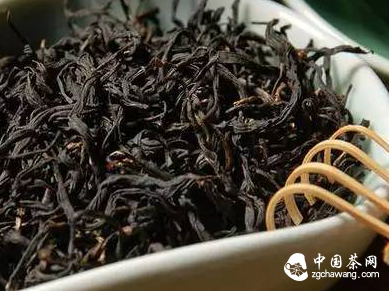
Lapsang Souchong is recognized as the world's earliest black tea, also known as the "originator of black tea," with a history of over 400 years. Also called Lapsang Souchong, it is a type of black tea produced in China. The tea leaves are smoked over pine needles or pine wood, resulting in a very intense aroma. Due to the smoking process, the tea leaves appear black, but the brewed tea liquor is a deep red color.
Xiaozhong Black Tea
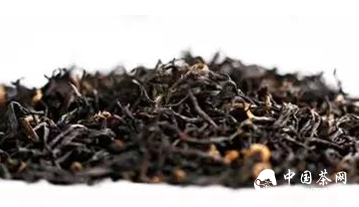
Xiaozhong black tea is a specialty of Fujian Province, divided into Zhengshan Xiaozhong (authentic mountain variety) and Waishan Xiaozhong (outer mountain variety).
Zhengshan Xiaozhong is produced in the Tongmu Guan area of Xingcun Township, Chong'an County, also known as "Tongmu Guan Xiaozhong" or "Xingcun Xiaozhong." Imitations produced in Zhenghe, Tanyang, Beiling, Pingnan, Gutian, Shaxian, and Jiangxi's Yanshan, which mimic the quality of Zhengshan Xiaozhong but are of inferior quality, are collectively referred to as "Waishan Xiaozhong" or "Artificial Xiaozhong."
The exact period when Xiaozhong black tea appeared is difficult to trace in historical records.
There is a local story: In the late Daoguang period of the Qing Dynasty, due to turbulent times, an army passed through Xingcun in Chong'an and occupied a tea factory. The fresh green tea leaves that arrived at the factory could not be dried in time. Because they piled up and fermented, they turned black and developed a special odor. The factory owner was extremely anxious and quickly pan-fried and dried the leaves over pine wood. After slight screening and sorting, they were packed and shipped to Fuzhou, entrusted to foreign firms for trial sales. Unexpectedly, this uniquely fragrant Xiaozhong tea caught the interest of foreign merchants, business boomed, and it gained much popularity. Consequently, foreign merchants placed orders year after year, and from then on, Xiaozhong black tea became fashionable for a time.
"Artificial Xiaozhong" includes Tanyang Xiaozhong, Zhenghe Xiaozhong, Gutian Xiaozhong, Dongbeiling Xiaozhong, etc. Nowadays, the market for artificial Xiaozhong has been phased out, leaving only Zhengshan Xiaozhong enduring for a century without decline.
Zhengshan Xiaozhong
The term "Zhengshan Xiaozhong" black tea was first known in Europe as WUYI BOHEA, where WUYI is a transliteration of Wuyi; in Europe (England), it was a symbol of Chinese tea.
Locals named it "Zhengshan Xiaozhong" to distinguish it from other counterfeit Xiaozhong black teas (artificial or smoked varieties) that disrupted the market. "Zhengshan" signifies correct and authentic, while "Xiaozhong" refers to the small-leaf variety of tea plant used.
"The aroma of Xiaozhong can be created through processing, but its 'mountain charm' (shanyun) is a clear identifier of its terroir characteristics, which processing cannot achieve," say Wuyi tea experts.
The "Zhengshan" in Zhengshan Xiaozhong indicates it is truly "produced in high mountains," specifically referring to tea produced in the Wuyi Mountains. Xiaozhong black tea emphasizes "shanyun," what locals refer to as "terroir charm." Its "shanyun" is uniquely endowed by the natural, excellent environment of Tongmu Guan in the Wuyi Mountains, a high mountain quality that other Waishan Xiaozhong or artificial Xiaozhong can never surpass.
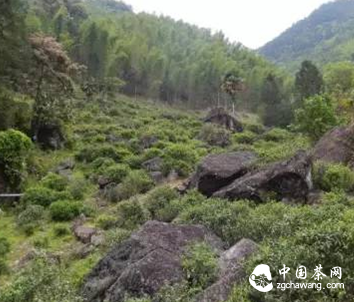
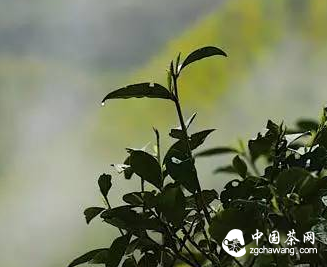
Tongmu Guan is located at the foot of Huanggang Mountain, shrouded in clouds and mist year-round, with ample rainfall and a mild, humid climate. Especially during the spring tea season, it often experiences continuous rainy days with little sunshine. Therefore, the withering of tea leaves picked here requires the aid of fuel for drying. The area is abundant with pine trees, so the fuel used for firing is pine wood. Consequently, during withering, the fresh leaves absorb the scent of pine resin. During the drying process, the fermented tea leaves are spread on bamboo sieves and placed on hanging racks to air-dry or bake, with pine wood burning underneath for further drying, allowing the tea to further absorb the pine resin aroma.
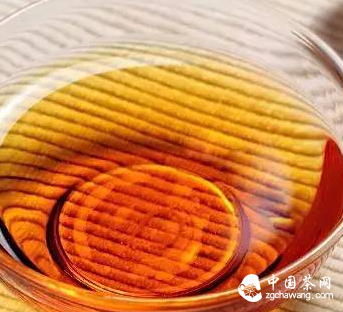
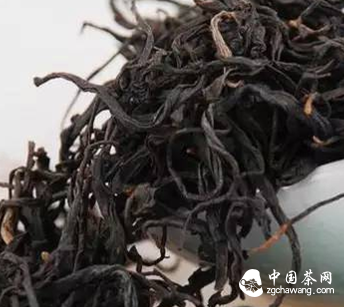
Zhengshan Xiaozhong is made from the raw material of the Wuyi Caicha ("vegetable tea") population variety, which is a wild or semi-wild Caicha variety. The finished Zhengshan Xiaozhong has stout, tightly knotted, and straight strips with a dark, glossy (wurun) color. After brewing, the tea soup is bright, brilliant red with a "golden ring," and the brewed leaves (ye di) are reddish-brown, bright, tender, even, and glossy.
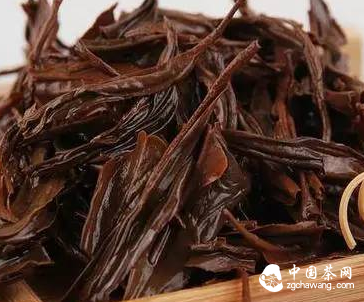
It withstands multiple infusions well, with a mellow and full-bodied taste reminiscent of longan soup, and a rich, intense fragrance. Its main quality characteristics are the rich pine-smoke aroma and longan soup flavor. If milk is added, the tea fragrance remains undiminished, forming a syrupy milk tea that is sweet, refreshing, and uniquely flavorful.
Smoked and Non-Smoked Varieties
Zhengshan Xiaozong is divided into smoked and non-smoked varieties, corresponding to traditional process Zhengshan Xiaozhong and new process Zhengshan Xiaozhong.
The distinction is based on whether the traditional process of smoking over pine needles or pine wood is used during production: those smoked are called "Smoked Zhengshan Xiaozhong"; those not smoked are called "Non-Smoked Zhengshan Xiaozhong."
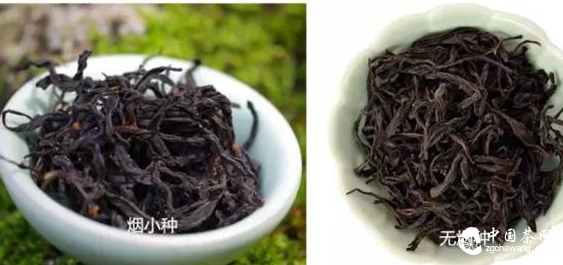
First, in terms of the appearance and strip shape, there is not much difference between these two processing methods. The dry leaf color of Non-Smoked Zhengshan Xiaozhong is dark brown. Due to the smoking process, the dry leaf color of Smoked Zhengshan Xiaozhong is darker and more glossy.
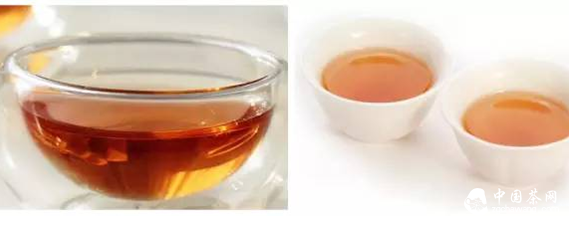
Second, the tea soup color differs: Non-Smoked Zhengshan Xiaozhong has a bright, clear red liquor; Smoked Zhengshan Xiaozhong has a richer, more intense color.
Third, in terms of intrinsic quality, both types have a noticeable sweetness. However, the Smoked Zhengshan Xiaozhong has a more pronounced longan soup sweetness, with a mellower and sweeter taste. Moreover, Smoked Zhengshan Xiaozhong possesses a unique pine-smoke fragrance, giving it a distinctive flavor.
Brewing and Tasting
Water Temperature
For brewing Zhengshan Xiaozhong, water temperature between 90°C to 100°C (boiling water cooled for 2~3 minutes) is generally used. Compared to Gongfu black tea, the water temperature should be slightly higher to properly extract the flavor of Zhengshan Xiaozhong. For subsequent infusions, 100°C boiling water is typically used entirely.
Steeping Time
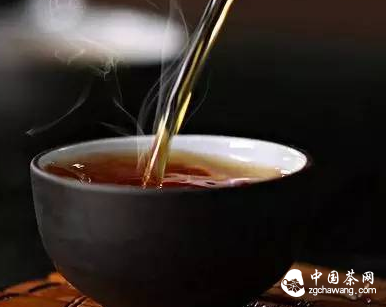
The steeping time for the first infusion of Zhengshan Xiaozhong should not exceed 5 seconds, with 3-4 seconds being optimal for the initial pour to best preserve its aroma. For the next three infusions, 5-8 seconds is best. After the fourth infusion, try not to exceed 15 seconds. This is a reasonable steeping schedule. This refers to using a gaiwan and the "high mountain flowing water" pouring method.
If using a large pot, depending on the amount of water and number of infusions, steep for 1-3 minutes before pouring. Different varieties of Zhengshan Xiaozhong black tea require different steeping times. Generally, Zhengshan Xiaozhong black tea is not suitable for long steeping. Typically, the steeping time for the first 4 infusions should not exceed 5 seconds. Subsequent infusions can be slightly longer but should preferably not exceed 30 seconds.
Smelling the Aroma and Observing the Color
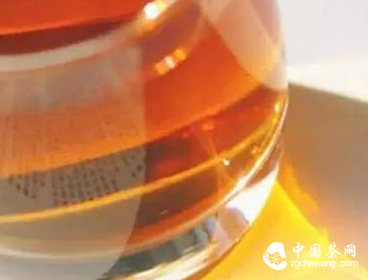
After the black tea is brewed, usually after about 3 minutes, first smell its aroma, then observe the color of the tea soup. Focus on the character of "tasting" (pin). Sip slowly, savor carefully, and in the gradual experience and appreciation, discern the mellowness of the black tea and comprehend the true pleasure of drinking black tea.
Tip:
Zhengshan Xiaozhong black tea has the effect of nourishing and protecting the stomach. Drinking green tea on an empty stomach can cause discomfort because the tea polyphenols contained in the leaves have an astringent property that can irritate the stomach, and this irritation is stronger on an empty stomach. However, black tea is different.
Black tea is fully fermented. During the oxidation process catalyzed by enzymes, the content of tea polyphenols decreases, thereby reducing the irritation to the stomach. Zhengshan Xiaozhong black tea not only does not harm the stomach but can actually nourish it. Regularly drinking black tea with sugar or milk can reduce inflammation and protect the gastric mucosa.