Yun (韵), meaning uniform sound, harmony, and pleasantness, is often associated with "qi" (energy), referred to as "Qi Yun" (气韵). Tea Yun is the special sensation obtained when tasting tea soup; it is a quality and style of tea, indicating it has reached the highest grade among its kind. It is a feeling, a symbol of excellence.
Besides color, aroma, and taste, tea soup also possesses Qi Yun, collectively known as the "Four Phases of Tea Soup." The perception of these "Four Phases" is called Tea Yun.
Different teas yield different sensations. Each tea has its own "rhyme," such as the "Rock Rhyme" of Yancha (Rock Tea), the "Guanyin Rhyme" of Tieguanyin, the "Aged Rhyme" of Pu'er Tea, the "Elegant Rhyme" of West Lake Longjing, the "Cold Rhyme" of Huangshan Maofeng, the "Monkey Rhyme" of Taiping Houkui, and the "Honey Rhyme" of Lingtou Dancong...
Rock Rhyme (Yan Yun)
"Rock Rhyme" refers to the "rock bone" mentioned in the praise of Yancha as having "rock bone and floral fragrance," commonly known as "rock taste." It is a particularly mellow, thick, and long-lasting sensation that lingers on the tongue (in the mouth), also described as "hard tea base." This is more prominent when the tea trees are grown in good conditions, typically in gravelly sandy soil tea gardens.
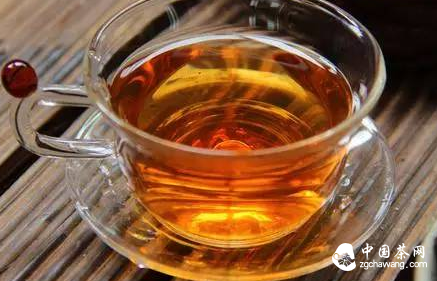
"Rock Rhyme" is the unique characteristic of Wuyi Rock Tea. It is the aroma and taste formed by superior Oolong tea varieties grown within the Danxia landform of Wuyi Mountain and processed using traditional Wuyi Rock Tea cultivation and production techniques.
The manifestation and sensory description of the "Rock Rhyme" feature: The taste has a special mellowness and thickness; people say "there is a bone-like feeling in the water," meaning just that. The aftertaste is sweet and quick, with a long-lasting finish; the throat sensation (Hou Yun) is distinct; the aroma, regardless of intensity, is persistently rich and strong, and a cold sniff reveals a clear, subtle fragrance.
Guanyin Rhyme (Yin Yun)
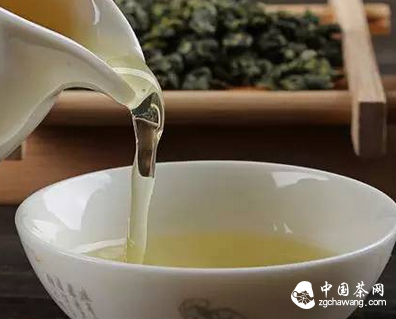
Yin Yun refers to the Guanyin Rhyme of Tieguanyin. It has been difficult for generations of tea masters and scholars to express clearly, often said to be comprehensible only through personal experience, not through words, lending Anxi Tieguanyin a mysterious aura.
"Guanyin Rhyme" is the unique charm of Anxi Tieguanyin, symbolizing the quality and characteristics of fine Tieguanyin tea. It harmoniously blends color, aroma, and taste—fresh, brisk, mellow, sweet, and fragrant, leaving a sweet aftertaste that refreshes the heart and mind, evokes thought, and sparks imagination.
Aged Rhyme (Chen Yun)
Aged Rhyme is a charm produced after aging. "The older, the better" is the most apt saying to describe Pu'er tea. Appreciating Pu'er tea, like fine wine, requires a long aging period. Pu'er tea, in particular, enjoys the reputation of "grandfather makes it, grandson sells it."
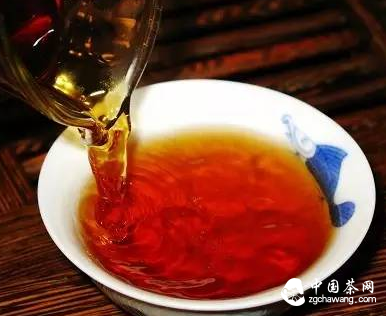
High-quality Pu'er has a prominent, rich, and pure aged aroma when smelled hot, with a strong "qi sensation." When smelled cold, the aged aroma is long-lasting, presenting a refreshingly sweet taste.
Elegant Rhyme (Ya Yun)
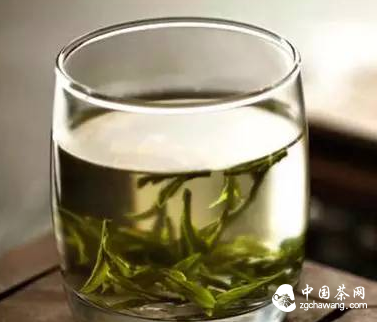
Elegant Rhyme is the unique charm of West Lake Longjing. Its appearance is flat, straight, and elegant, with a green and emerald color. Its inner quality is fresh and fragrant, with a mellow taste. When brewed in a cup, the buds and leaves are green, resembling a lotus flower emerging from water, vivid and lifelike. It is renowned for its four unique qualities: "green color, rich fragrance, sweet taste, and beautiful shape." Hence, it is called "Elegant Rhyme."
Cold Rhyme (Leng Yun)
The so-called "Light fragrance and cold rhyme, the top scholar's tea" refers to Huangshan Maofeng.
Xu Chu of the Ming Dynasty recorded in "Travel Notes of Huangshan": "Beside Lotus Nunnery, tea is cultivated in rock crevices. It is mostly fresh and fragrant, with a cold charm that invades the teeth and palate. It is called Huangshan Cloud Mist tea." —Cloud Mist tea, cultivated by mountain monks in the fine soil of rock crevices, has a subtle fragrance and cold charm, far surpassing that of Mount Lu. Research suggests that Huangshan Cloud Mist is the predecessor of Huangshan Maofeng.
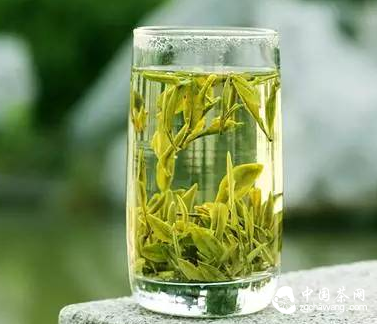
When a small amount of water moistens the Huangshan Maofeng leaves, swirl and gently shake several times. An elegant, subtle fragrance instantly condenses into a tea mist, rising. Continue adding water—prefer shallow over deep. Clusters of flower-like, jade-like tea buds float together on the water's surface. Due to the low temperature, the wrinkled leaves have not yet unfurled, showing a light green with hints of yellow, evoking怜惜 (怜惜 -怜惜 is a Chinese term meaning pity/affection. In this poetic context about tea leaves, a suitable English translation could be "evoking a sense of tenderness" or "looking delicate and lovely"). Tender fragrance gradually diffuses. Blow on the tea leaves and take a small sip—it is extremely clear, sweet, moist, and refreshing.
Monkey Rhyme (Hou Yun)
Taiping Houkui is deeply favored by tea lovers for its unique and pleasant "Monkey Rhyme." It also enjoys high praise domestically and internationally due to its profound cultural heritage.
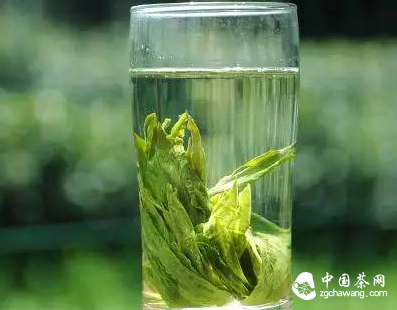
Taiping Houkui is described as: "Two knives and one spear, three tips flat; flat, straight, not curled; leaves thick, robust, deep green; orchid fragrance, clear soup, sweet aftertaste." The tea has a subtle, captivating fragrance, pure and unadulterated, lively and refreshing, with a sweet and harmonious aftertaste that is rich and long-lasting. The "Monkey Rhyme" of Taiping Houkui can be summarized as encompassing "hidden buds, rich taste, high aroma, maturity, red veins, and affection."
Honey Rhyme (Mi Yun)
Honey Rhyme reflects the high-quality level of Dancong tea. The characteristics of Honey Rhyme can be described at two levels: one is the manifestation of honey, and the other is the manifestation of rhyme.
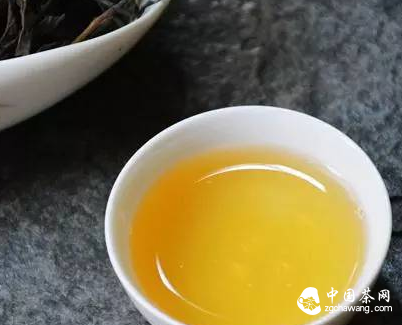
At the level of honey manifestation: The tea's appearance and color are yellowish-brown, oily, and lustrous, showing a honey-like moist texture. Its soup color is orange-yellow and bright, presenting the hue of honey. Its aroma—the unique floral honey scent does not drift outward but dissolves into the tea soup. Upon careful tasting, one begins to perceive the rich honey fragrance. Its taste can be described as uniquely honey-like.
At the level of rhyme manifestation, it is the organic fusion and interactive effect of honey and fragrance. The so-called organic fusion means honey is evident within the fragrance, and the fragrance dissolves into the taste.