Experiencing the "Water" of Pu-erh Tea
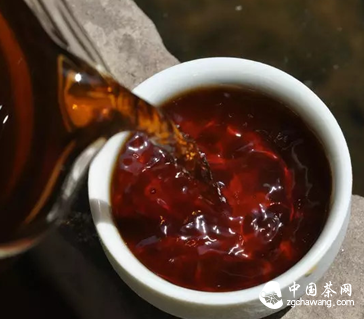
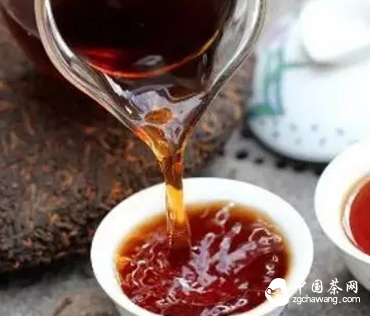
When Pu-erh tea soup is sipped into the mouth, it evokes various taste sensations. Apart from the flavors mentioned previously, the remaining sensations are categorized under the aspect of "water character." Water character can be divided into seven aspects: smoothness, melting, liveliness, sandiness, thickness, thinness, and sharpness. Among these, smoothness, melting, liveliness, sandiness, and thickness are positive characteristics of Pu-erh tea, while thinness and sharpness are negative traits that can affect the tasting experience.
Smoothness
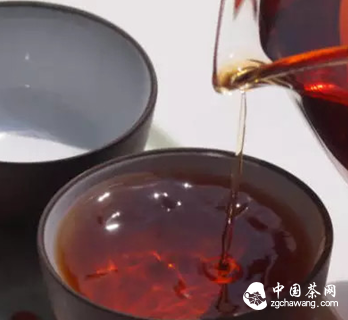
Smoothness is the softest sensation, akin to holding the finest pure soy milk or aiyu jelly in the mouth, imparting a feeling of ultimate gentleness. Smoothness brings a sense of warmth, comfort, and familiarity, and it also helps to calm and stabilize the mind.
Older or more fully fermented (ripe) Pu-erh teas tend to have a smoother water character. Early productions like Jingchang Hao, Jiangcheng Hao, Puqing Hao Pu-erh round cakes, as well as 1970s thick brick Pu-erh and 1970s White Needle Golden Lotus loose leaf Pu-erh, all exhibit very smooth tea soup. A smooth water character is a major feature of Pu-erh tea, especially in many new productions today that are primarily made using the ripe tea method, often displaying a mellow smoothness. This is precisely why many people enjoy drinking Pu-erh tea.
The mellow smoothness of Pu-erh tea's water character improves with longer aging time, eventually reaching a state of "melting." This is one of the key factors contributing to Pu-erh tea's characteristic of becoming more fragrant with age.
Melting
"Melting upon entering the mouth" is also a hallmark of well-aged fine tea and fine wine. For raw Pu-erh tea (sheng) to achieve a melting water character, it typically requires storage for over sixty to seventy years under ideal aging conditions. Ripe tea (shou) achieves a melting character more easily than raw tea. For instance, the batch of 1970s Pu-erh thick brick ripe tea, with only over thirty years of aging, has gradually transitioned from smoothness towards a melting quality. Sixty-plus-year-old end-of-era tight teas, eighty to ninety-year-old Tongqing Lao Hao Pu-erh round cakes, and Red Mark Pu-erh have already reached the realm of melting upon entry. General experience tells us that the vigor displayed by raw Pu-erh tea is more elegant than that of ripe tea, because the water character of ripe tea is somewhat rougher and thicker, and the feeling of melting is never as lively and ethereal as that of raw tea. However, raw tea requires much longer aging time to match the melting vigor of ripe Pu-erh. "Melts upon entry, as if you drank nothing" is an exclamation of the highest realm of Pu-erh tea soup's water character during tasting.
Although the tea soup is drunk into the mouth, it seems to transform into a sublime energy instantly, much like drinking wine. However, drinking wine only gives a sensation of alcohol vapors rushing up to the palate, then gradually dissipating. The melting vigor of Pu-erh tea is far gentler and more tranquil than that of wine, without the unpleasant dizzying effect. The melting vigor of alcohol can make one feel self-important, mentally vague, and lead to drunken speech and loss of composure. The melting vigor of Pu-erh clears the mind and enhances wisdom.
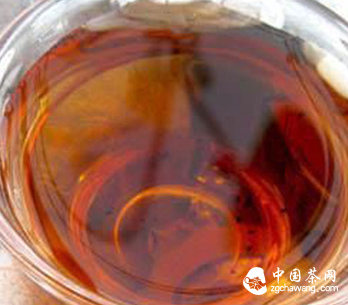
Liveliness
A lively water character is an elegant expression of tea soup consistently valued by tea connoisseurs across varieties, creating a vibrant feeling in the mouth. Like "aged aroma" (chen yun), the sensation of liveliness is somewhat abstract. It relies on the individual's cultivated discernment through multiple actual tasting experiences; it cannot be fully described with words or language and is difficult to convey without practical experience.
Within the Pu-erh category, only dry-stored raw Pu-erh tea soup possesses a relatively strong lively character. In the manufacturing process, Pu-erh ripe tea, which undergoes a certain degree of pile-fermentation (wo dui), and wet-stored aged raw Pu-erh tea that has undergone mold transformation—both of these Pu-erh types increase their water-soluble substance content. The heavier the fermentation or mold transformation, the more water-soluble substances increase in the tea soup, and the darker the tea soup color becomes, even turning black. The increase in water-soluble substances directly affects the lively character of the water. Therefore, only dry-stored raw Pu-erh tea can potentially exhibit the best lively character. Liveliness can impart feelings of vibrancy, pleasure, and strength.
Sandiness
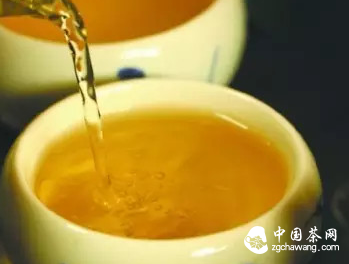
After drinking the tea soup, there is a sandy feeling in the mouth. It resembles the thick, sandy sensation left in the mouth after drinking a bowl of red bean soup. This sandy feeling brings a comfortable sensation to the oral cavity.
The sandy texture primarily comes from ripe Pu-erh tea soup, especially from tea products with a longer aging period. The batch of end-of-era tight tea produced by Fo Hai's Dingxing Tea House in the 1930s, possibly due to delayed sun-drying time leading to excessive natural fermentation, became ripe tight tea; also, the early 1970s 73 thick brick ripe tea—these two batches of tea leaves are relatively aged ripe tea products. Anyone who has tasted these two batches of ripe tea can perceive the sandy character.
The sandy sensation of Pu-erh tea's water character, felt through oral perception, gives a rough yet rich impression. Sandiness is a major characteristic of ripe Pu-erh tea's water character, while it is rarely encountered in raw Pu-erh tea.
Thickness, Thinness, Sharpness
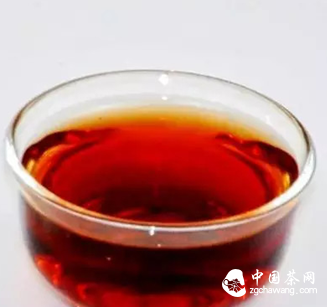
Before Pu-erh tea's water character reaches the state of melting, it can be distinguished as thick, thin, or sharp. These sensations of thickness, thinness, and sharpness in the mouth give the taster feelings of substantial heaviness, lightweight floatiness, or an uncomfortably cutting edge.
Thickness of water is not the same as strong tea soup. Thickness relates to the substance of the Pu-erh tea. When the tea soup has a certain intensity and contains more dissolved substances, it feels more viscous and dense in the mouth. The denser it is, the thicker or more viscous it is said to be. Strength is influenced by brewing technique. The same portion of tea leaves, if steeped in hot water longer, produces a stronger tea soup, meaning the intensity increases. Conversely, with very short steeping time, the tea soup will appear light, which is unrelated to the thickness/thinness of the water character. Often, thickness, heaviness, and substantiality coexist, so saying the tea soup's water character is very thick/heavy or very thick/substantial refers to the feeling of thickness. For example, some paperless green mark round teas and Fengshan tea material Fu Lu Gong tribute tea have very thick water character. A thick tea soup water character feels full and solid, bringing the taster a more peaceful and stable state of mind.
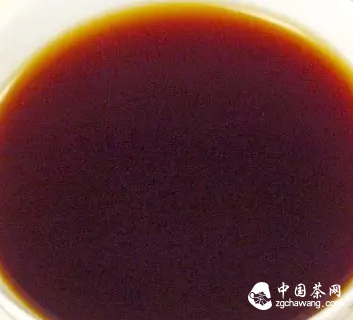
Thin water character is the opposite of thick water character. When thin tea soup is drunk into the mouth, there is no expansive, stretching momentum, and the water quality feels light and sparse. The petty style caused by thin water character makes the taster feel frivolous, weak, unstable, and resistant. Pu-erh tea products made from new bush tea material and some border-region Pu-erh products often have tea soup with a thin water character.
Sharpness results from water character that is too thin, causing a sensation in the mouth as if touching a sharp blade. It evokes feelings of meagerness, harshness, and discomfort, creating a sense of rejection and refusal. Generally, border-region Pu-erh or fresh raw cake Pu-erh products made from new bush tea material often exhibit sharpness in the tea soup's water character.
Pu-erh tea that has been tightly sealed for a long time and is very dry, when opened and brewed immediately for tasting, often has a thin water character, or even a sharp one. However, if after opening, the tea is placed in a larger container to allow it to regain moisture for a period, about ten days or a month, the tea soup will naturally express its proper water character.