Dry Inspection of Tea
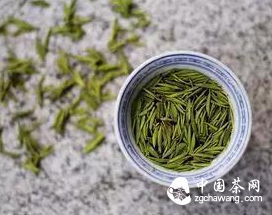
This primarily involves judging based on three factors of the dry leaves: color, aroma, and shape. Green teas with a lush green luster, black teas with a dark, glossy hue, tea leaves that are plump, heavy, and substantial, or those with abundant pekoe (white hairs), along with tightly rolled strips for black and green teas or tightly rounded beads for pearl tea, and a rich, fragrant aroma are characteristic of spring tea quality.
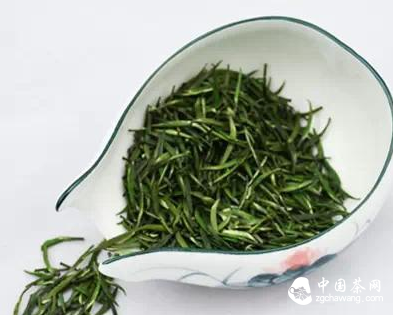
Green teas with a dull grayish color and black teas with a reddish hue;
Tea leaves that feel light, loose, and broad, with long, wide stems;
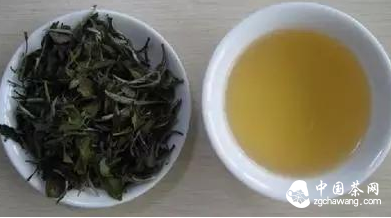
Tea strips that are loose, or pearl tea grains that are loose and puffy;
An aroma that is slightly coarse or mature indicates the quality characteristics of summer tea.
Green teas with a yellowish-green color;
Black teas with a dull red color;
Tea leaves of uneven size;
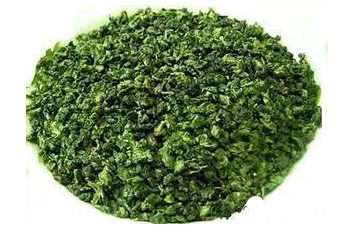
Leaves that are thin, light, and small;
A relatively mild aroma;
Are the quality characteristics of autumn tea;
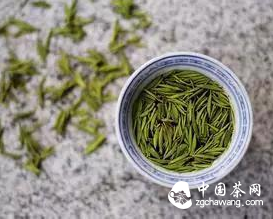
Wet Inspection of Tea
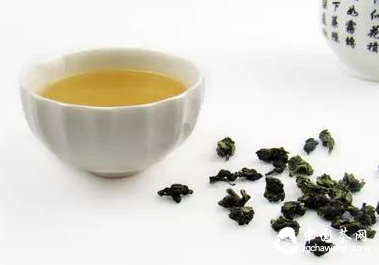
For teas where the leaves sink quickly after brewing, with a strong and lasting aroma, and a mellow taste; green tea liquor showing yellow within green, black tea liquor bright with a golden ring; and tea leaves at the bottom (brewed leaves) that are soft, thick, and substantial with many normal buds and leaves—these indicate spring tea.
When brewed, the tea has a slightly lower aroma;
Green tea taste is slightly astringent, liquor color is greenish;
Black tea liquor is reddish and dark;
The brewed leaves are thin and firm, relatively bright red;
These are the quality characteristics of summer tea.
Tea when brewed has a not-so-high aroma and a flat taste;
Leaves are of uneven size, with many "paired leaves" (two leaves with a bud);
These are the quality characteristics of autumn tea.
Tips
From a nutritional perspective, new tea contains higher levels of caffeine, active alkaloids, and various aromatic substances, which can easily excite the nervous system and may have adverse effects on individuals with neurasthenia or cardiovascular diseases. Additionally, new tea contains more non-oxidized polyphenols and aldehydes, which can strongly irritate the gastrointestinal mucosa. People with poor gastrointestinal function, especially those with chronic gastrointestinal inflammation, may experience stomach pain, bloating, constipation, dry mouth, and other symptoms from drinking new tea.
It is best to let new tea sit for a period after purchase, allowing the polyphenols in the tea to oxidize naturally and reduce irritation to the stomach and intestines before drinking. Also, when selecting spring tea, avoid buying tea that is too damp, as it will not store well and can easily become moldy.
From a health and nutrition perspective, dark tea and black tea are more suitable for people who are physically weaker; adding some sugar can enhance the effect. Green tea is better for young people. Scented tea has the effect of soothing the liver, relieving depression, regulating qi, and menstruation. Fu brick tea is best for weight loss. Green tea has better detoxifying effects and benefits people with higher levels of toxins in their bodies. Different teas contain different nutrients, so consumers can choose tea based on their personal preferences and physical characteristics.