The taste of Anxi Tieguanyin tea is a comprehensive reflection of the changes in dozens of flavor substances. Among them, the stimulating astringent substances are tea polyphenols; the bitter substances are caffeine, anthocyanins, and tea saponins; the umami substances are mainly amino acids; the sweet substances are mainly soluble sugars and some amino acids; and the fresh and brisk substances are a combination of amino acids, catechins, theaflavins, and caffeine.
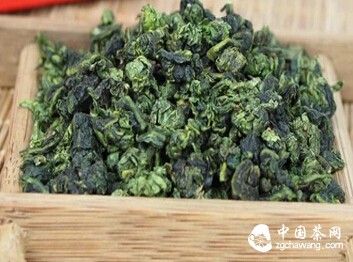
In the formation of green tea flavor, the main components that play a role are catechins and anthocyanins. The astringency formed by catechins differs from the bitterness formed by anthocyanins. Pure tea polyphenols are quite bitter and astringent, but when coordinated with other components, they form the characteristic taste of green tea. Different coordinating substances result in different flavors. For example, if the tea infusion contains 0.15% free arginine, it coordinates with amino acids to give a fresh and brisk sensation; if coordinated with sugars, it can have a sweet and mellow taste; if coordinated with glutamyl ethylamine and water-soluble pectin, it can have a rich and full-bodied flavor. The transformation of tea's taste into mellow sweetness and rich aroma is the result of the above chemical changes.
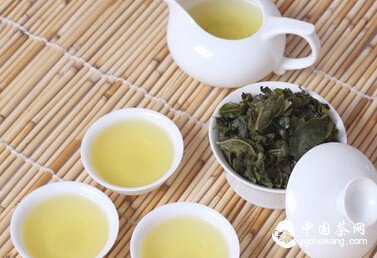
The taste of Anxi Tieguanyin tea is due to the oxidized and condensed tea polyphenols losing their original bitterness and astringency. In terms of flavor, it is very rich and full-bodied, but strong without being astringent, mellow without being cloying, with a sweet aftertaste, akin to the feeling described in Lu You's poem, "the tongue root often retains sweetness throughout the day." However, in black tea, the oxidation and polymerization of tea polyphenols are extensive, resulting in a strong, full-bodied, and stimulating taste. The formation of black tea flavor retains astringency and, when coordinated with amino acids, caffeine, soluble sugars, and pectin, creates the unique fresh, brisk, mellow, rich, and astringent taste of black tea. Therefore, black tea is slightly bitter upon first taste, followed by sweetness and refreshment, with the highest quality being those that are mellow, rich, and sweet. Green tea, on the other hand, has less oxidation and polymerization of tea polyphenols and a higher amino acid content, resulting in a mellow, fresh, and brisk taste with a long-lasting aftertaste, similar to eating fresh olives.