In life, some people like to steep tea leaves repeatedly until the flavor can no longer be tasted; others change the tea leaves after just one or two infusions. Which of these two practices is correct? How many times is it best to brew a cup of tea? From the perspective of nutrient absorption, bagged tea is best brewed only once, while loose-leaf tea should not exceed three infusions.
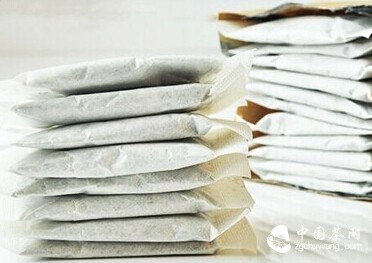
Tea contains tea polyphenols, which have cancer-inhibiting effects; tea polysaccharides, which can lower blood sugar; caffeine, which stimulates the central nervous system; as well as various amino acids, vitamins, and other nutrients. How much of these nutrients are released depends greatly on the number of infusions. Generally, the larger the leaf particles, the slower the release of nutrients; the smaller the particles, the faster the release.
Compared to loose-leaf tea, the leaves in bagged tea are cut and rolled during processing, thoroughly breaking the leaf cells and resulting in relatively small particle sizes. About 80%–90% of the nutrients in the tea are released during the first 3–5 minute infusion. After the second infusion, nearly all of the remaining 10% or so of nutrients are released. Therefore, it is recommended that bagged tea be brewed only once. This not only results in little loss in nutrient absorption but also does not affect the taste and flavor. For loose-leaf tea, due to its larger particle size, the first infusion should ideally be longer, about 5 minutes, during which 60%–80% of the nutrients are released. After the second infusion, 80%–90% of the nutrients are released. By the third infusion, the leaching rate of nutrients exceeds 95%. Brewing beyond this point offers little nutritional benefit.
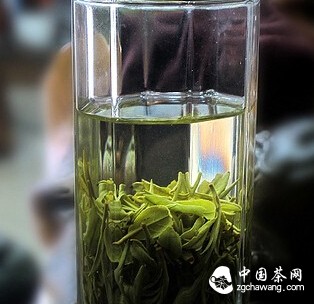
As for the point raised by some experts that multiple infusions can cause pesticides, heavy metals, and other harmful substances in tea to leach out, while this statement has some merit, there is no need for excessive concern. Currently, most pesticides used in tea production in China have extremely low water solubility. Based on a consumption of 10 grams of tea per person per day, even brewing tea with a residue of 1 mg/kg would result in an intake of only 0.0001 mg of pesticide—several thousand times less than the daily allowable intake set by the World Health Organization. The leaching rate of heavy metals like lead in tea is also relatively low. As long as the tea is purchased from正规 manufacturers, its content will not exceed national standards.