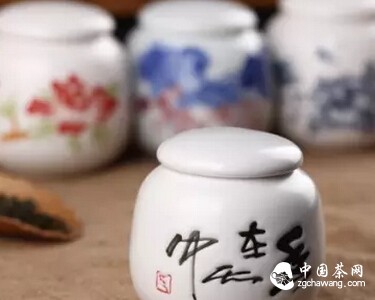
Where to store raw Pu-erh, where to keep ripe Pu-erh, where for rock tea, and where for green tea? Tea lovers always seek the best home for their fine teas. The Japanese call it "茶入" (chaire), the Taiwanese refer to it as "茶倉" (tea warehouse), while mainlanders simply call it a "tea leaf canister." In fact, the duty of a tea canister is not only to store tea specifically; it is also an elegant vessel and an object for tea connoisseurs to appreciate—a piece of craftsmanship that holds the drinker's delicate perceptions.
In the Chaoshan and even southern Fujian regions, the most commonly used is the tin canister. Tin is soft, tough, malleable, and has good ductility, allowing the lid and body of a tin canister to achieve a high degree of tightness. Moreover, due to tin's strong oxidation resistance, low oxygen permeability, good conductivity, and absence of metallic odor, the container can maintain a consistently cool temperature, preventing the tea from becoming damp while also helping to preserve its aroma. It has long been recognized as the best vessel for long-term tea preservation. The beloved honey-orchid and osmanthus-scented Phoenix Dancong from the Chaoshan area retains its enchanting fragrance precisely because of storage in tin canisters. Local workshops specializing in making tin canisters have been preserved, crafting various tin containers for households and tea shops, ranging from small ones holding a few ounces to large ones storing dozens of pounds.
The most ancient and traditional storage vessel is the clay jar. Pottery is breathable and moisture-proof, and after kiln-firing with no chemical additives, this type of vessel is absolutely natural and pure. Due to its breathable material, tea stored inside can exchange air with the outside environment, making clay jars more suitable for teas that require further transformation over time, and particularly ideal for "awakening" aged oolongs or Pu-erh. For example, heavily roasted old bush Shuixian should not be drunk immediately after roasting; it needs a period of "fire reduction." Storing it in a clay jar allows for better air exchange, making it taste excellent after a year. Jar-shaped containers have good thermal stability, so clay jars are often designed with a small mouth and a large belly. The exterior of clay jars is rough, rustic, and handmade, with glazes that are very organic. Each piece is unique, full of primitive vitality, and possesses a natural beauty that invites contemplation.
The more common porcelain jars and purple clay jars each have their own strengths and weaknesses. Large tea canisters are used for storage, medium-sized ones for household use, and small tea canisters are suitable for carrying when traveling. There is a type of small glazed clay jar, about 6cm tall, just right for holding two servings of tea. Its form is ancient and elegant; this shape was introduced to Japan during the Tang Dynasty, where it was often made into lacquerware with luxurious craftsmanship and called "茶枣" (chazou). There are also small purple clay jars. Securing the lid with cotton paper over the mouth and wrapping it in a cloth allows the precious tea aroma to rest peacefully inside. Bamboo tubes made from natural bamboo sections can be used to carry a few ounces of one's favorite tea, making it portable, lightweight, free-spirited, practical, and eco-friendly.