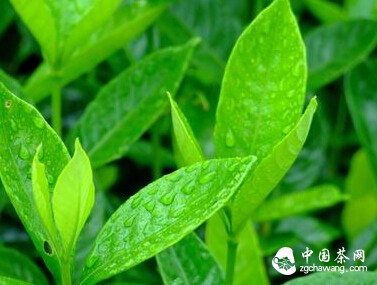
Tea leaves contain various chemical substances (including amino acids, carbohydrates, trace elements, caffeine, and tea polyphenols), which constitute the unique color and flavor of tea. Tea leaves also contain about 75% moisture; during the initial withering stage of processing, the moisture content is reduced to about 60%–70%. In the fermentation (i.e., oxidation) stage during the processing of Oolong tea and Black tea, the tea polyphenol flavanol components undergo oxidation with oxygen in the air, thereby enabling the produced tea leaves to brew a tea soup with a unique flavor and color. The roasting (i.e., drying) process can halt enzymatic oxidation while also further reducing moisture, lowering the moisture content to about 3%.
The aroma of black tea is extremely complex; to date, over 500 chemical components have been identified, including carbohydrates, alcohols, and acids, most of which are formed during the processing. Moreover, each compound possesses its own characteristics, contributing to the flavor of different teas. However, the taste of tea primarily comes from tea polyphenols (also known as tea tannins) and caffeine.
Caffeine is the most important component in tea. It is a mild stimulant and also has the function of increasing the activity of digestive juices. Various types of tea, such as Green tea, Oolong tea, and Black tea, all contain caffeine, but in different amounts. Green tea contains less than Oolong tea, and Oolong tea contains less than Black tea. It is estimated that an average cup of green tea contains 8.36 mg of caffeine, Oolong tea contains 12.55 mg, Black tea contains 25.10 mg, while an average cup of coffee contains 60–120 mg of caffeine. Therefore, consumers concerned about excessive caffeine intake can drink some green tea or Oolong tea. It should be mentioned here that the caffeine in coffee is rapidly absorbed in the body and immediately promotes blood circulation and cardiovascular activity, whereas the tea polyphenols in tea are believed to slow the absorption rate of caffeine, making caffeine's effect slower and its retention time in the body longer. Thus, tea becomes a more refreshing beverage than coffee.