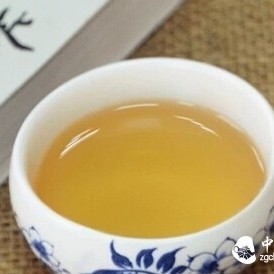
Why is Pu'er Tea Particularly Resistant to Multiple Infusions?
Pu'er tea is known for its endurance in multiple infusions, where the color and taste remain relatively stable over many brews. This characteristic is due to the rich nutrients accumulated in the leaves of ancient arbor tea trees, which release gradually during steeping....
Tea News · May 09, 2026
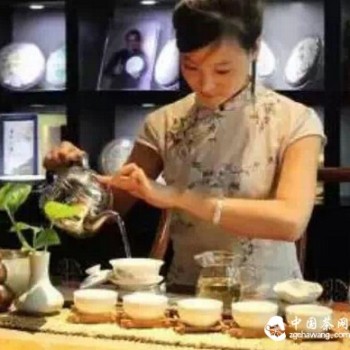
The Impact of Water Pouring and Tea Pouring Methods on Tea Liquor Taste
The method of pouring water and decanting tea is the most influential human-controlled variable in tea quality. It involves five key factors: speed, flow intensity, water line trajectory, height, and thickness. These affect water temperature, infusion intensity, and the balance between aroma and mou...
Tea News · May 09, 2026
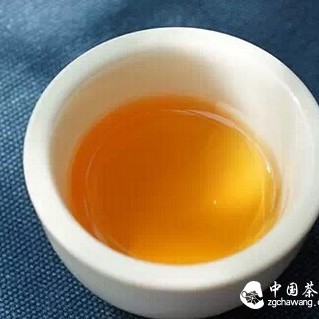
Taboos of Drinking Wuyi Dahongpao
Wuyi Dahongpao, known as the king of oolong tea and one of China's top ten famous teas, offers many health benefits but must be consumed with caution. Taboos include avoiding it during fever due to its caffeine content, not over-brewing it (best flavor is on the third infusion , discarding the first...
Tea News · May 09, 2026
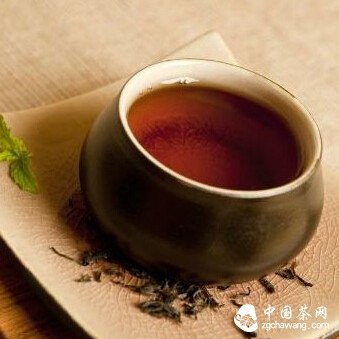
Choose Four Types of Tea for Health in Winter
Drinking tea is a long-standing tradition in China, especially in winter. Each type of tea has its own characteristics and different effects on our health. Drinking tea in winter offers many benefits. This article introduces four kinds of tea suitable for winter: red tea to prevent flu, green tea to...
Tea News · May 09, 2026
![[Tea Myths] You’ve Been Skimming Off the Tea Foam?](https://blog.teadrops.net/zb_users/cache/thumbs/dd09cdcffdd7f877b6ea9e5423720175-350-350-1.jpg)
[Tea Myths] You’ve Been Skimming Off the Tea Foam?
When brewing tea, the surface often produces foam due to water agitation—this is tea saponin. Many mistakenly consider it as dirt and skim it off, but this is a misunderstanding and a waste. Tea saponin is a complex glycoside compound with various health benefits, including anti-inflammatory, antiba...
Tea News · May 09, 2026
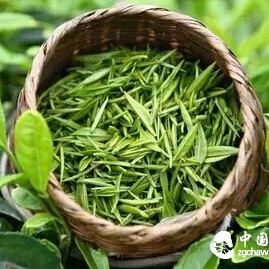
China's Six Major Tea Categories: Each with Unique Health Benefits
China's six major tea categories—green, oolong, black, dark, white, and yellow tea—each offer distinct health benefits. Green tea aids cancer prevention and fire reduction; oolong tea helps moisturize and lose weight; black tea warms the stomach and protects the heart; dark tea resists cold and lowe...
Tea News · May 09, 2026
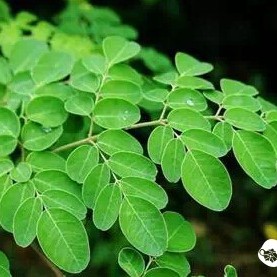
Moringa Tea for Health and Wellness: Effective Detox, Hangover Relief, and Blood Sugar Reduction
Moringa, a nutrient-rich plant, is hailed as a natural health powerhouse. Its leaves, processed into Moringa tea, offer benefits including detoxification, hangover relief, and blood sugar control. Clinical studies have shown its effectiveness in stabilizing diabetes, while its rich mineral and amino...
Tea News · May 09, 2026
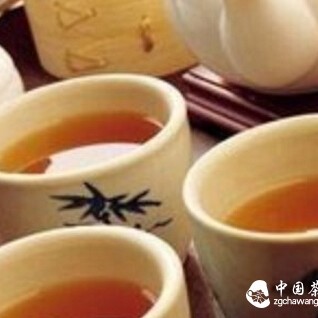
What Tea to Drink in Winter for the Best Fat-Reducing and Health Benefits
In winter, the best teas for reducing fat and maintaining health are black tea and dark tea. The cold weather slows metabolism, while these warm-natured teas help dispel cold, aid digestion, and prevent fat accumulation from high-calorie winter diets. Various blends like milk black tea, astragalus b...
Tea News · May 08, 2026
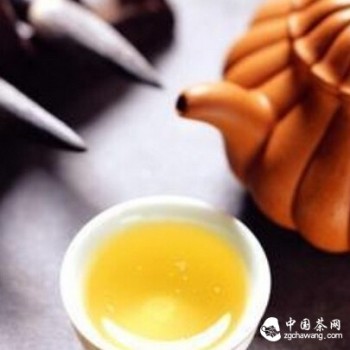
Green Tea Prevents Cancer, Oolong Tea Aids Weight Loss, White Tea Fights Radiation! The Six Major Teas Have Different Health Benefits
For the Chinese, drinking tea for health preservation is a tradition that has been passed down for thousands of years. Chinese tea comes in countless forms and can be divided into six categories based on processing methods: green tea, black tea, oolong tea, dark tea, white tea, and yellow tea. Each...
Tea News · May 08, 2026
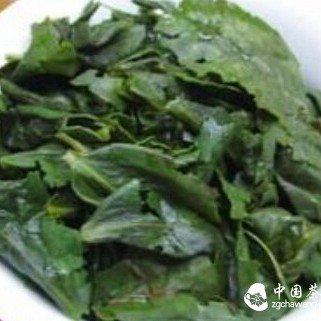
Tieguanyin: Beauty, Weight Loss, Anti-aging, Socializing and Mood Enhancement
Tieguanyin, a traditional Han Chinese famous tea, belongs to the oolong tea category and is one of China's top ten teas. Originating from Xiping Town, Anxi County, Quanzhou, Fujian, it has a natural orchid fragrance, pure and rich taste, and long-lasting aroma, earning the reputation of "retaining f...
Tea News · May 08, 2026