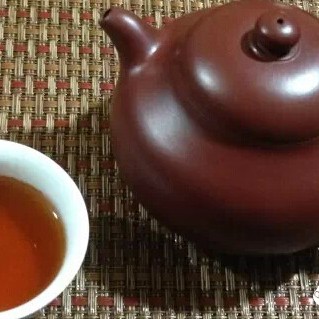
Tea drinkers should know how to choose a teapot according to the tea!
Choosing the right teapot for a specific tea is an essential skill for tea enthusiasts, requiring practice and exploration. The process involves matching the teapot to the tea to enhance the brewing experience and the tea's flavor. Key considerations include the teapot's shape, capacity, craftsmansh...
Tea News · Apr 21, 2026
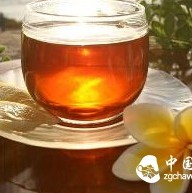
What is black tea and what are its effects?
Black tea is a type of fermented tea, made from one bud and two or three leaves of the tea plant. It undergoes a series of typical processes including withering, rolling (cutting , fermentation, and drying. The name 'black tea' comes from the predominant red color of its dried leaves and the brewed...
Tea News · Apr 21, 2026
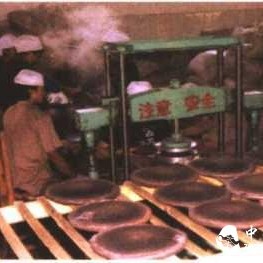
Another Method of Tea Preservation: Compression
Compression is a method of tea preservation where processed tea leaves are steamed until soft and then pressed into solid shapes, known as compressed tea. This technique not only facilitates transportation and storage but also develops a mature, robust flavor profile through the processes of steamin...
Tea News · Apr 21, 2026
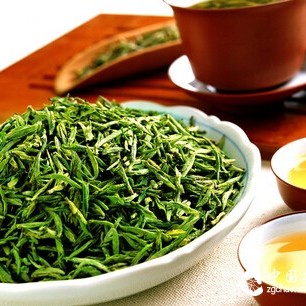
Six Basic Tea Categories in China
Chinese tea is primarily classified into six basic categories based on processing techniques: Green Tea, Black Tea, Oolong Tea (also known as Blue Tea , White Tea, Yellow Tea, and Dark Tea. Each category has distinct characteristics and sub-varieties. For example, Green Tea includes famous types lik...
Tea News · Apr 20, 2026
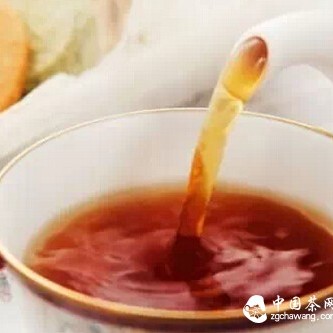
Things You Must Know About Black Tea Storage
Proper storage is crucial for maintaining the quality and flavor of black tea. There are four key principles to remember: avoid high temperatures, as heat accelerates chemical reactions and degrades nutrients; control humidity, since moisture promotes bacterial growth and spoilage; keep tea away fro...
Tea News · Apr 20, 2026
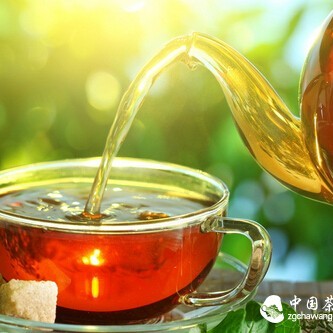
Origin, Classification, Characteristics, and Efficacy of Black Tea
Black tea is a fermented tea made from one bud and two or three leaves of the tea plant, processed through typical steps such as withering, rolling (cutting , fermentation, and drying. It is named for the reddish hue of its dried leaves and brewed liquor. China's most famous black tea variety is Kee...
Tea News · Apr 20, 2026
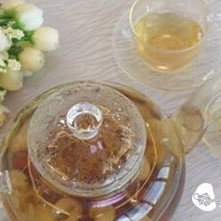
Three Best Teas for Nourishing the Body in the Cold Winter
As the true depth of winter sets in, staying warm and nourished becomes essential. This article recommends three specially curated teas to help you comfortably endure the cold season. The first is Ginger Red Date Tea, combining black tea for warmth, ginger for heat, and red dates for vitality. The s...
Tea News · Apr 20, 2026
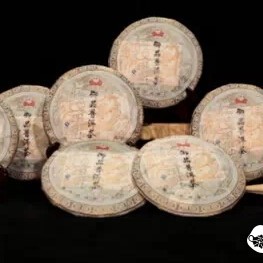
After Reading These, It's Impossible Not to Fall in Love with Pu-erh Tea!
Pu-erh tea is renowned for its profound health benefits, which require consistent consumption to experience fully. Based on years of personal experience, its养生 (health-preserving properties are remarkable. Pu-erh tea aids in preventing coronary heart disease and managing hypertension through compou...
Tea News · Apr 20, 2026
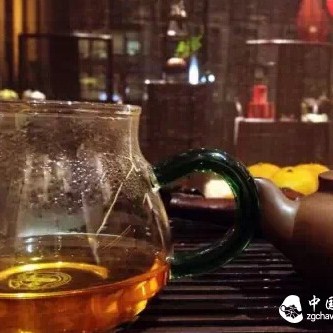
What Tea Do You Drink This Winter?
This article recommends several types of tea suitable for winter consumption, highlighting their health benefits and preparation methods. Black tea, being warm in nature, helps nourish the body's yang energy, provides warmth, aids digestion, and reduces greasiness. Famous varieties like Qimen Black...
Tea News · Apr 20, 2026
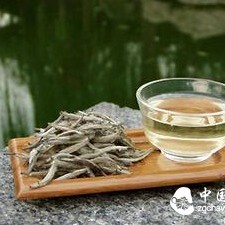
Growing Environment and Production Process of Aged White Tea
Aged white tea refers to white tea that has been stored for many years, typically within a reasonable shelf life of 10 to 20 years. During prolonged storage, the internal components of the tea leaves undergo slow transformations: aromatic compounds gradually volatilize, the liquor color turns reddis...
Tea News · Apr 19, 2026