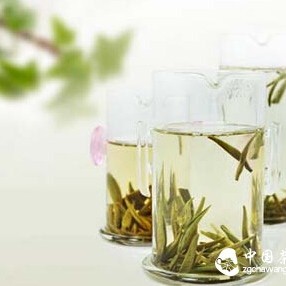
What is Aged White Tea? The Efficacy and Functions of Aged White Tea
Aged White Tea refers to white tea that has been stored for many years, typically within a reasonable shelf life of 10 to 20 years. During prolonged storage, the internal components of the tea leaves undergo slow transformations: the aroma gradually dissipates, the liquor turns reddish, the taste be...
Tea News · Apr 19, 2026
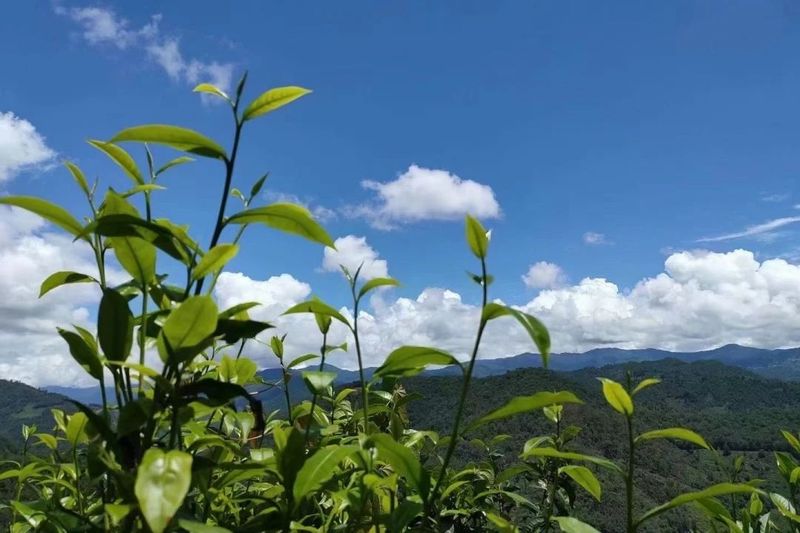
Requirements for Drinking and Storing Pu-erh Tea Paste
Pu-erh tea paste is a concentrated essence extracted from Pu-erh tea, representing a high-grade tea product that is convenient to brew and widely enjoyed. Proper storage and drinking methods are essential. For storage, it should be kept in a cool place away from direct sunlight, with an ideal humidi...
Tea News · Apr 19, 2026
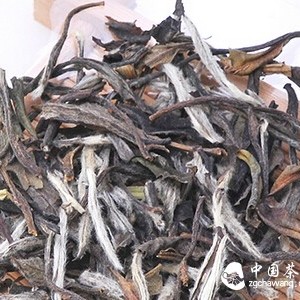
The Difference Between Aged White Tea and New White Tea
Aged white tea is not only used as a medicinal guide in modern traditional Chinese medicine prescriptions, but its benefits become more pronounced with age, surpassing those of new tea. To better distinguish Fuding aged white tea from new tea, here are simple differentiation methods. In terms of app...
Tea News · Apr 19, 2026
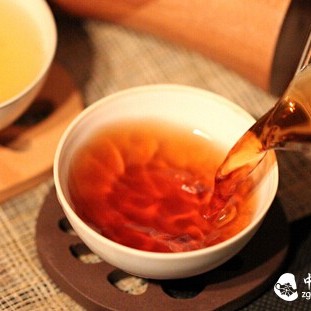
It's Important to Have a Pot of Pu-erh Tea in Winter! Teaching You How to Brew Pu-erh Tea
Brewing an excellent pot of Pu-erh tea requires proper technique. The process begins with selecting suitable tea utensils. A teapot with a large belly, such as a purple clay or ceramic pot, is ideal, as its porous structure helps preserve the tea's aroma and flavor. A tea knife is essential for brea...
Tea News · Apr 19, 2026
With the 'Guanyin Rhyme', you can be willful!
The 'Guanyin Rhyme' refers to the aesthetic charm inherent to Anxi Tieguanyin tea. Its primary manifestations include the uniquely exquisite 'Aroma Rhyme' in olfactory appreciation, often hailed as the 'King of Fragrances'. Secondly, the 'Throat Rhyme' in taste appreciation denotes a mellow and swee...
Tea News · Apr 19, 2026
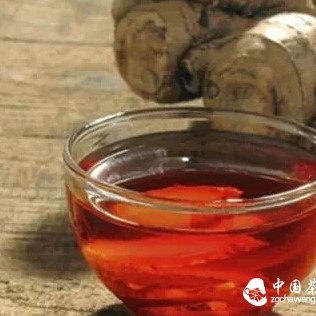
Drinking Black Tea in Winter is Most Nourishing: Four Black Tea Recipes Ready in Minutes
According to traditional Chinese medicine, drinking flower tea in spring, green tea in summer, oolong tea in autumn, and black tea in winter is recommended for health. This article introduces four simple and nourishing black tea recipes suitable for the winter season. They include Ginger Black Tea,...
Tea News · Apr 19, 2026
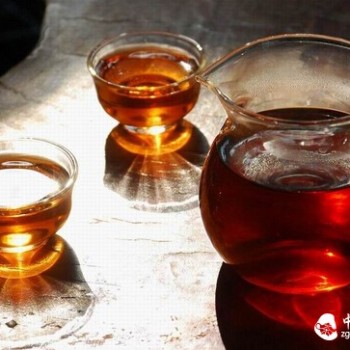
Quality Life Starts with a Cup of Tea!
Pu-erh tea is suitable for drinking all year round, but it is best consumed in winter. Winter brings low temperatures and heavy cold, with the body's physiological functions declining and yang energy weakening, requiring higher energy and nutrition. The way of health preservation lies in keeping war...
Tea News · Apr 19, 2026
Have You Ever Tried Purple Tea? Meet Purple Tea, Encounter a Unique Light Purple Tea Aroma
Purple tea is a rare variety among Yunnan large-leaf tea trees. Its fresh leaves are purplish-red, the dried tea appears dark green, and after brewing, it transforms into a bluish-green infusion, earning it the name 'Three-Color Tea' among ethnic minorities in the Pu'er tea region. Varieties like Zi...
Tea News · Apr 19, 2026
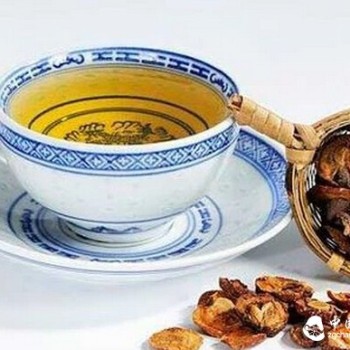
Four Points to Pay Attention to in Medicinal Tea Health Preservation
Medicinal tea health preservation is a traditional therapy that requires careful attention to several key aspects. First, it is crucial to select the appropriate tea formula based on one's specific constitution and condition, as different body types require different blends. Second, the quality of w...
Tea News · Apr 19, 2026
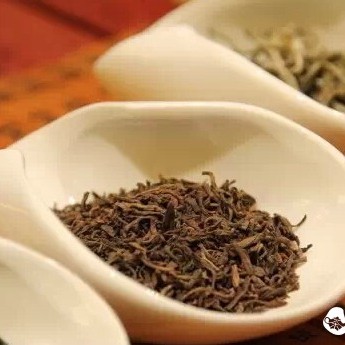
For a Healthy Body, Tea is a Must! A Guide to the Health Benefits of Six Major Tea Types, Making Tea Selection Easy
Choosing the right tea for yourself and your family can be guided by understanding the distinct health benefits of each major tea type. Green tea, being non-fermented, is rich in catechins and vitamins, offering benefits like cancer prevention and cardiovascular health, and is considered cooling, id...
Tea News · Apr 18, 2026