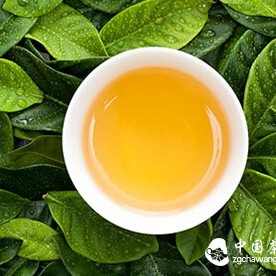
Efficacy of 43 Types of Tea: Don't Drink the Wrong One!
This article details the health benefits of 43 different types of tea, including common varieties like oolong, green, and black tea, as well as herbal infusions such as chrysanthemum, rose, and lavender. Each tea is associated with specific effects, such as weight loss, skin improvement, stress reli...
Tea News · Jun 12, 2026

8 Kinds of Ancient Tree Single-Origin Pu'er Tea
In recent years, Pu'er tea has become increasingly popular, but do you know how to classify different types of Pu'er tea? Today, I will explain the eight forms of single-origin ancient tree tea, ranging from tea from different mountains to single-tree and tea-king-tree varieties, each with its own u...
Tea News · Jun 12, 2026
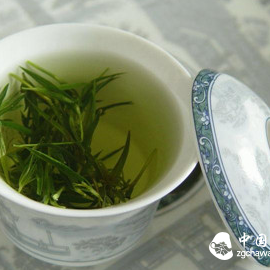
“Tea Drunkenness”: A Secret That Must Be Told!
In late summer and early autumn, many people experience symptoms such as palpitations, dizziness, and weak limbs due to improper tea drinking, known as "tea drunkenness." This condition is often caused by drinking strong tea on an empty stomach or consuming excessive amounts of tea. The caffeine and...
Tea News · Jun 12, 2026
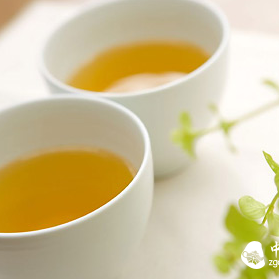
Which Teas Should You Drink When Saying Goodbye to Summer and Welcoming Autumn?
As the seasons change from summer to autumn, the dry climate can easily lead to autumn dryness and fatigue. Drinking tea in autumn should focus on nourishing and moisturizing. Oolong tea, with its neutral nature, Guhua tea (Pu'er harvested in autumn , and Chrysanthemum tea for clearing heat and impr...
Tea News · Jun 12, 2026
Drinking Tea Immediately After Meals May Cause Anemia?
Many people enjoy drinking tea or coffee right after a meal to help digestion, but this habit may actually harm health. Experts point out that tea contains a large amount of tannic acid, which binds with protein in food to form indigestible compounds, reducing iron absorption by up to 50%. Over time...
Tea News · Jun 12, 2026
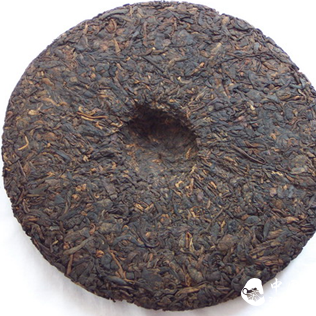
Several Storage Methods for Pu'er Tea Cakes
This article introduces several key points for storing Pu'er tea cakes: raw and ripe cakes should be stored separately; the storage location should be on the ground floor to allow natural air contact; avoid sunlight exposure; keep the original bamboo leaf wrapping for tea cakes; and choose ceramic o...
Tea News · Jun 12, 2026
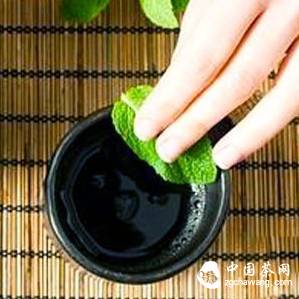
Know the Nature of Tea, Use It Well
Drinking strong tea after alcohol does not help with sobriety but can instead increase the burden on the heart and kidneys. Whether tea can be taken with medication depends on the type of medicine — some drugs may be affected by the tannins or caffeine in tea. For proper storage, tea should be kept...
Tea News · Jun 12, 2026
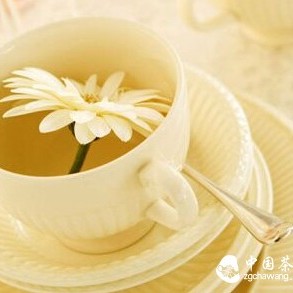
Men Surrounded by Alcohol, Nicotine, and Radiation: What Tea Can Protect the Liver and Kidneys?
This article introduces simple health tips for men exposed to alcohol, nicotine, and radiation. It recommends teas like kudzu flower for hangovers, chrysanthemum and goji for liver protection, and Luo Han Guo for lung health. It also advises on vitamins, diet, and exercises to counteract the effects...
Tea News · Jun 12, 2026
Drink Oolong Tea in Autumn for Health and Beauty
In autumn, the weather becomes dry, making oolong tea the most suitable drink. It combines the freshness of green tea with the richness of black tea, moistening the throat, generating body fluids, and dispelling internal heat. Oolong tea helps prevent dry skin, aging, cavities, tumors, and boosts im...
Tea News · Jun 12, 2026
Daily Inventory of the Benefits of Tea Polyphenols for the Human Body
Tea polyphenols, especially abundant in green tea, offer numerous health benefits including radiation protection, anti-mutation (anti-cancer , and anti-aging effects. They neutralize free radicals, inhibit carcinogen binding, and protect the skin from aging and UV damage. Additionally, tea polypheno...
Tea News · Jun 11, 2026