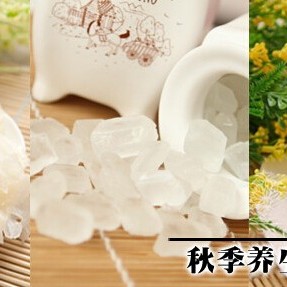
Drink a Cup of Tea in Autumn to Moisturize Dryness and Boost Qi
Autumn, lasting from the Start of Autumn to the Start of Winter, is characterized by a transition from heat to cold, with yin growing while yang declines. Health preservation in autumn should follow the principle of "nourishing and storing," focusing on moisturizing dryness and boosting qi. The diet...
Tea News · Jun 10, 2026
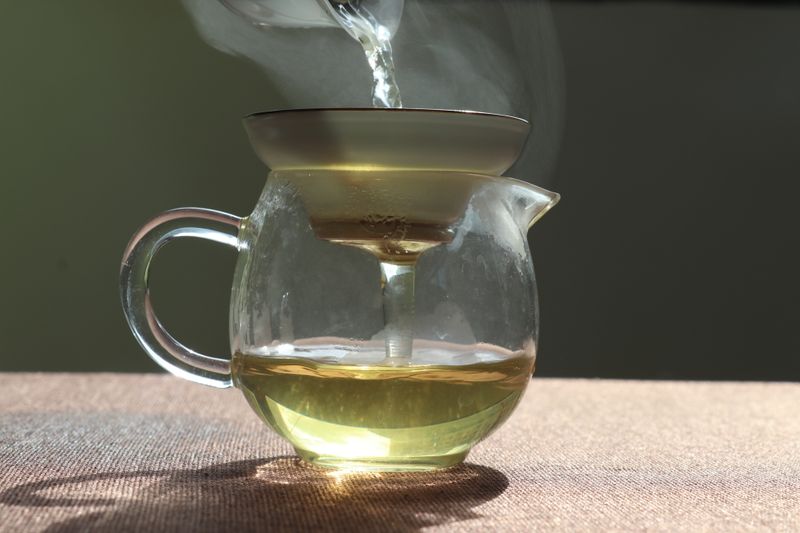
1. Teach You to Match Tea to Cure All Diseases
This article introduces various medicinal tea recipes, such as Goji Berry Tea, Goji Rehmannia Tea, and Goji Longan Tea, each with specific health benefits including nourishing the liver and kidneys, improving eyesight, calming the mind, and aiding sleep. These tea formulas are derived from tradition...
Tea News · Jun 10, 2026
Tea and Tea Wares: A 'If You Are the One' Match
In the world of tea, the pairing of tea leaves and tea wares is as crucial as a match made in heaven. Just like the popular dating show 'If You Are the One,' different teas require specific vessels to unleash their full potential. From transparent glass cups for green tea to purple clay pots for Pu'...
Tea News · Jun 10, 2026
Learn About Autumn Tea
Autumn tea is harvested in the fall, when less rainfall and dry climate help preserve the aroma of the tea leaves. Its liquor and taste fall between spring and summer teas, with a mild fragrance. Traditionally, it is said that spring tea is bitter, summer tea is astringent, but autumn tea is good to...
Tea News · Jun 10, 2026

Tea Can Absorb Radioactive Substances! Experts Reveal Health-Preserving Tea Drinking Methods
Tea has been an indispensable part of life for over 4,700 years. Research shows that tea not only benefits cardiovascular health and prevents cancer, but also has six new benefits: improving muscle endurance, resisting UV rays, maintaining weight, protecting against radiation, enhancing memory, and...
Tea News · Jun 10, 2026
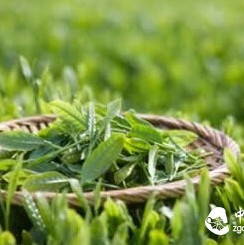
Not Every Type of Tea Is Suitable for Everyone
In China, there are six major tea types, each with unique characteristics and effects. Green tea is rich in nutrients but may irritate the stomach. Black tea is gentle and good for digestion. Yellow tea aids digestion but is not recommended for pregnant women. White tea helps control diabetes. Oolon...
Tea News · Jun 10, 2026
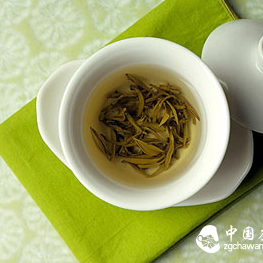
Don't Drink Tea Casually for Health: Four Times to Avoid Tea
Tea is a traditional Chinese beverage that remains an essential part of daily life. Recent studies show that long-term tea drinking benefits physical and mental health, leading many to explore tea ceremonies for wellness. However, tea drinking should be avoided in certain situations: on an empty sto...
Tea News · Jun 10, 2026
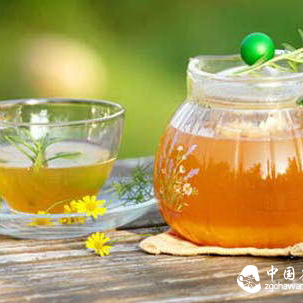
A Cup of Floating Wheat Tea to Improve Sleep Quality
A Cup of Floating Wheat Tea can help improve sleep quality, especially for those who experience night sweats or hot flashes, such as menopausal women. Made from 30g of floating wheat, and 9g each of Poria and Ophiopogon, this tea has calming and anti-perspirant properties. However, it is not recomme...
Tea News · Jun 10, 2026
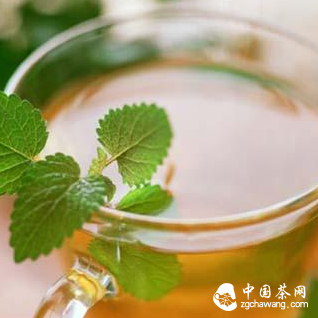
Body-Fat Burning & Weight Loss Tea: Flush Out Toxins & Feel Light Again
This article introduces three types of detoxifying and slimming teas for different stages of internal heat. The first is Peppermint Flower Tea for superficial heat symptoms like dry mouth and headaches. The second is Herbal Bitter Tea for internal heat signs such as yellow tongue coating and irritab...
Tea News · Jun 09, 2026
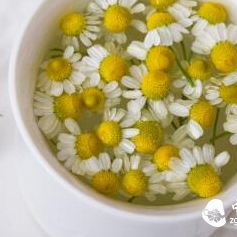
Which Teas Are Most Refreshing to Drink in Autumn
In autumn, certain teas can help boost energy and relieve fatigue. Lavender lemon tea combines the calming scent of lavender with the uplifting aroma of lemon. Rose mint tea blends soothing rose with invigorating mint for a refreshing effect. Honey chrysanthemum tea clears the liver and brightens th...
Tea News · Jun 09, 2026