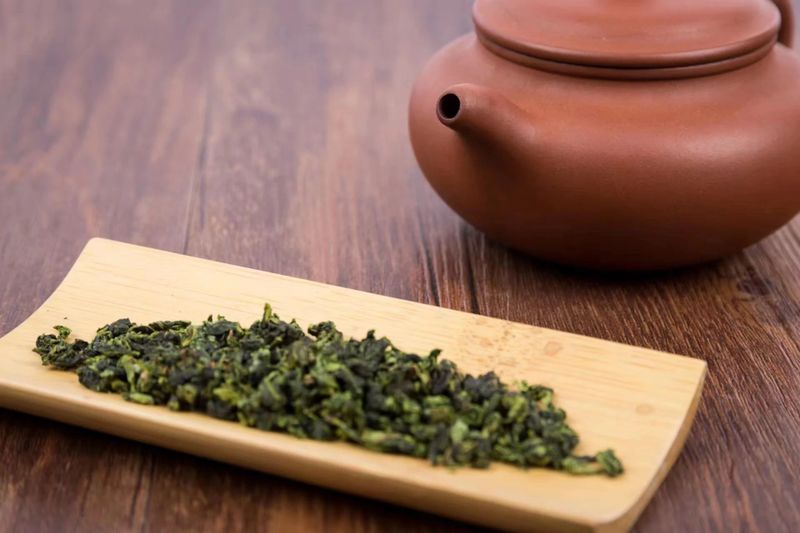
Understanding Tea Vacuum Packaging
The tea vacuum packaging machine consists of a sealing system, vacuum pumping system, electrical control system, and nitrogen supply system. It extracts air from tea bags made of heat-shrink packaging materials, reducing the oxygen content inside the bag to below 0.1%, and can automatically fill the...
Tea News · Dec 31, 2025
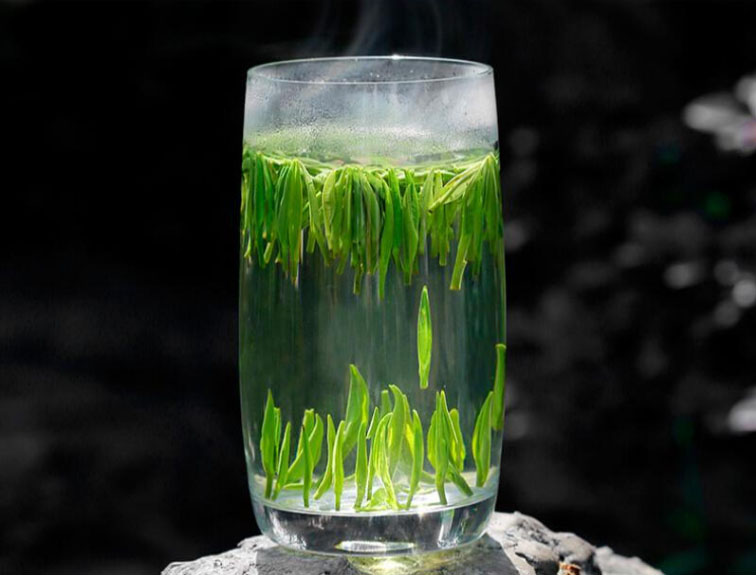
Clever Method for Restoring Damp Tea Leaves
Tea leaves are highly absorbent and can easily become damp if stored improperly, which diminishes their aroma and flavor when brewed. This article introduces an effective technique to restore damp tea leaves. Using a low-heat iron pan, gently stir the leaves until their fragrance is released, then p...
Tea News · Dec 31, 2025
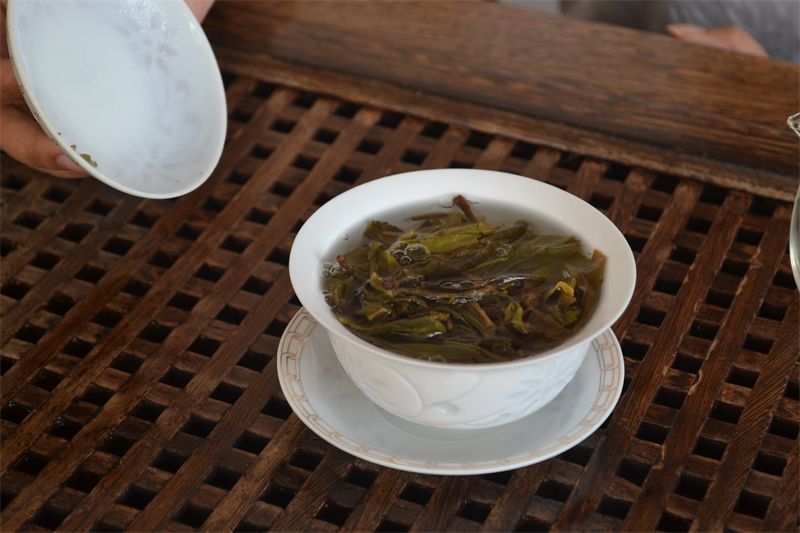
Compressed Tea Knowledge
Compressed tea was created primarily for the convenience of long-distance transportation and long-term storage. It is made by compressing and drying tea leaves into square bricks or blocks. To prevent spoilage during transit, compressed tea is typically produced from black tea or dark tea. Historica...
Tea News · Dec 31, 2025
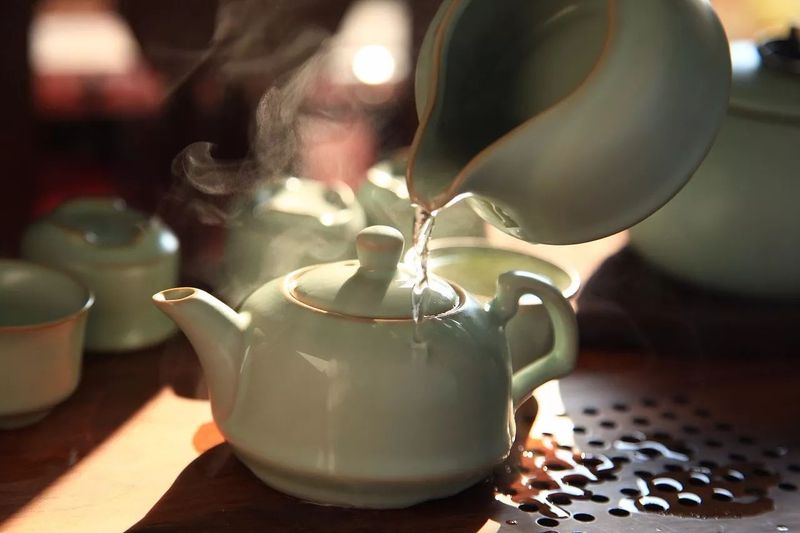
A Brief Introduction to Green Bean Tea
Green Bean Tea is a traditional leisure beverage from the Jiangnan region, specifically around Hangzhou, Jiaxing, and Huzhou. It gained popularity in teahouses in Lin'an (present-day Hangzhou during the Southern Song Dynasty and later spread to households. This slightly salty and fragrant tea is es...
Tea News · Dec 31, 2025
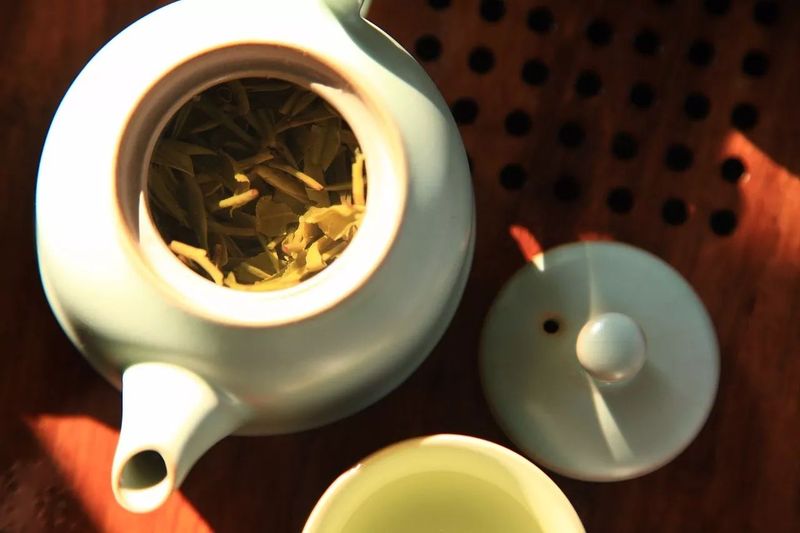
Basic Knowledge about Tieguanyin Tea
Tieguanyin tea is best brewed in a covered bowl using purified water at around 90°C. The first infusion is for rinsing the tea leaves and warming the cup, while the second infusion, steeped for about 15 seconds, brings out the aroma. Each subsequent infusion can be extended by 15 seconds, but it is...
Tea News · Dec 31, 2025
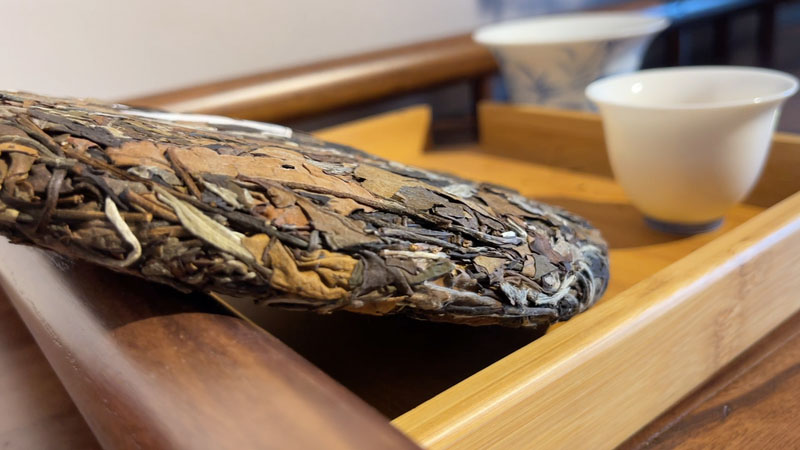
The Difference Between Jinxuan Tea and Oolong Tea
Jinxuan Tea is a famous tea produced in southern Taiwan, suitable for making Baozhong tea and Oolong tea. It is widely cultivated in Taiwan. Oolong tea combines the production methods of green tea and black tea, offering a quality between the two—possessing the rich flavor of black tea and the fresh...
Tea News · Dec 31, 2025
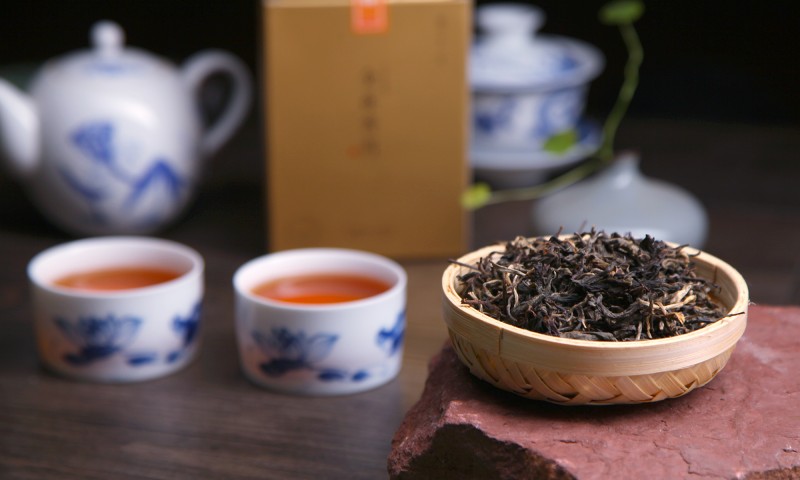
Introduction to Dong Ding Oolong Tea
Dong Ding Oolong Tea, commonly known as Dong Ding tea, is a highly renowned tea from Taiwan. It is a type of Taiwanese Bao Zhong tea. The name 'Dong Ding' (meaning 'frozen summit' originates from Dong Ding Mountain, where fog and rain are frequent, and the mountain paths are steep and difficult to...
Tea News · Dec 31, 2025
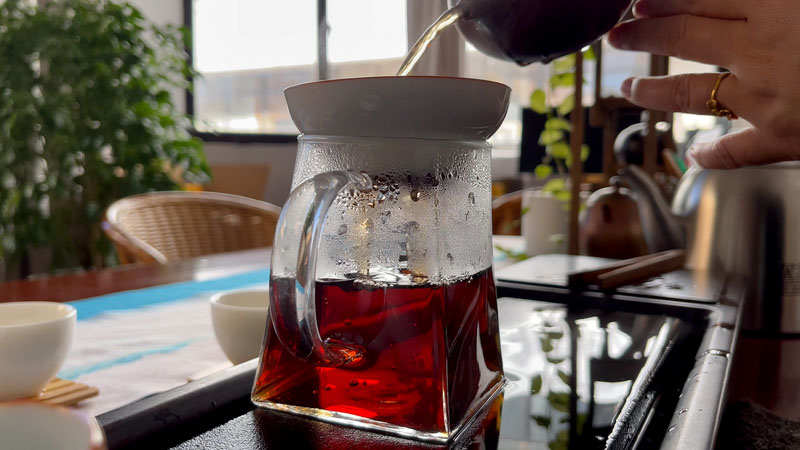
Effects of Several Commonly Consumed Teas
This article introduces the effects and preparation methods of several common teas beneficial for health and wellness. Oolong tea aids digestion, relieves greasiness, detoxifies, and reduces fat. Pu'er tea helps digest stomach stagnation, promotes normal consumption of fat and sugar, and maintains a...
Tea News · Dec 31, 2025
Brief Introduction to Narcissus Tea Knowledge
Narcissus tea is one of China's fine tea varieties and a gem among Fujian's oolong teas. Its leaves are characterized by thick stems, long internodes, broad and fleshy leaves, high moisture content, and slow water loss. Originally from northern Fujian, this tea tree has existed for over a thousand y...
Tea News · Dec 30, 2025
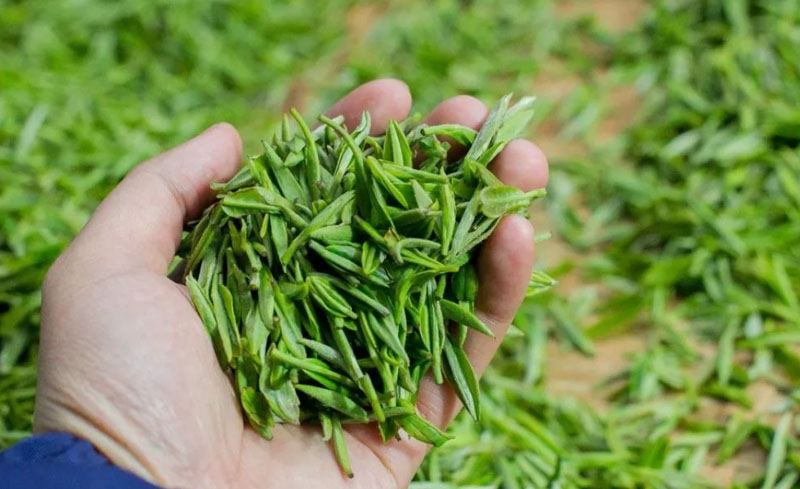
Introduction to Pine Needle Rice Tea
Pine Needle Rice Tea is a health beverage made from fresh pine needles. The pine needles, rich in vitamins and minerals, are processed through cutting, kneading, soaking, sugar curing, and drying, then mixed with roasted rice. Regular consumption can help increase calcium, regulate heart function, l...
Tea News · Dec 30, 2025