Eight Major Tea Myths and Claims of Incompatibility with Certain Foods: Are They True?
Tea is a beloved beverage in daily life, known for its health benefits such as boosting metabolism and preventing obesity. However, many myths surround tea drinking, including claims that tea leaves become toxic overnight, that adding sugar or milk reduces its benefits, or that tea with certain food...
Tea News · Apr 30, 2026
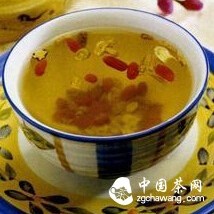
Nine Types of Tea for Effective Health Prevention
Tea has excellent health benefits. Since its discovery and use, tea and tea therapy have been important parts of wellness in China. Using tea as a base, adding one or more ingredients to brew can achieve health preservation, disease prevention, and therapeutic purposes....
Tea News · Apr 30, 2026

Weight Loss | What Tea to Drink for Weight Loss?
For many people, losing weight is a frustrating challenge. This article introduces several tea-based weight loss methods, helping you choose the right tea to achieve your slimming goals. Different teas target different body types and lifestyles, such as Longjing for sedentary women to reduce edema,...
Tea News · Apr 30, 2026
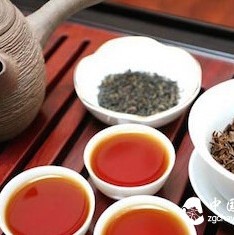
Tea Lovers, You Must Remember the Foods You Cannot Eat Together
This article explains the foods that should not be eaten together with tea to avoid negative health effects. It covers combinations like tea with meat (which may cause constipation , tea with eggs (which affects protein absorption , and tea with alcohol (which stresses the kidneys and heart . The ti...
Tea News · Apr 30, 2026

The Relationship Between Washing Tea, Moistening Tea, and Awakening Tea
The tradition of washing tea has existed since ancient times, serving two purposes: to remove dust and to awaken and moisten the tea leaves, facilitating their unfolding and the extraction of flavor. While many today mistakenly believe washing tea is solely for hygiene, it is actually a ritual with...
Tea News · Apr 30, 2026

Pu'er Tea, a Good Helper for Reducing Belly Fat...
Pu'er tea is known for its ability to help reduce belly fat. It contains a lipase that aids in breaking down fat, making it especially effective for targeting stubborn belly fat. To get the best results, it should be brewed with boiling water, and the first infusion should be discarded. Drinking it...
Tea News · Apr 30, 2026
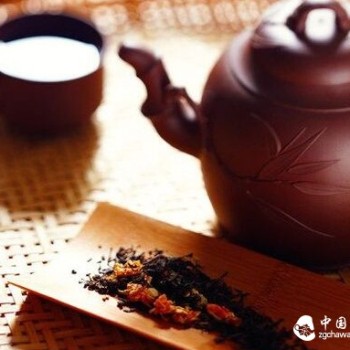
Three Teas and One Porridge to Relieve Dry Eyes
White-collar workers who often work with computers may experience dry and painful eyes due to continuous radiation and screen brightness. The eyes are considered the windows to the soul, so protecting them is crucial. Drinking certain herbal teas can help relieve eye fatigue and restore brightness....
Tea News · Apr 30, 2026

In 5000 Years of Chinese History, Tea Is the Most Willful!
For five thousand years, tea has quietly existed with an unyielding spirit. From Shennong tasting hundreds of herbs to free himself from poison, to the Tang and Song dynasties' thriving tea culture, and even the Boston Tea Party that sparked the American Revolution, tea has played a unique role in h...
Tea News · Apr 30, 2026
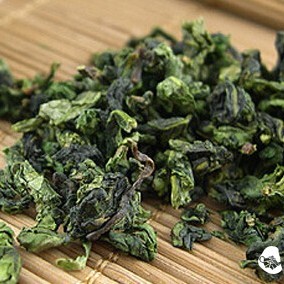
Several Misconceptions about Anxi Tieguanyin
Anxi Tieguanyin is one of China's top ten famous teas, beloved by tea enthusiasts. However, during its development, several misconceptions have arisen regarding its production and evaluation. This article clarifies common misunderstandings, such as equating greener or more acidic tea with higher qua...
Tea News · Apr 29, 2026
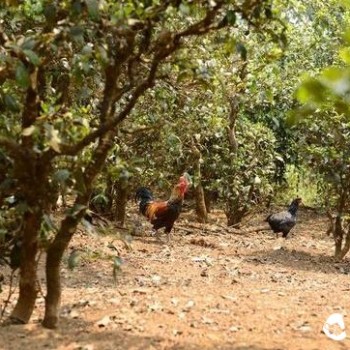
Why Should You Drink Pure Ancient Tree Pu'er Tea
Pure ancient tree Pu'er tea is a top choice for its safety, rich nutrition, unique taste, and long-term value. Grown in remote, pollution-free environments, these ancient trees require no pesticides or fertilizers, offering a natural and healthy option. Their deep roots absorb more nutrients from th...
Tea News · Apr 29, 2026