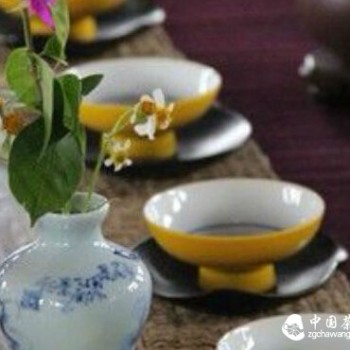
Winter Tea Drinking Has Its Nuances, Did You Know?
Many people have heard of the concept of stomach-nourishing tea. However, when it comes to the knowledge about tea and health, most people only have a superficial understanding and have not truly grasped the relationship between tea and health. People with different body constitutions should choose...
Tea News · May 01, 2026
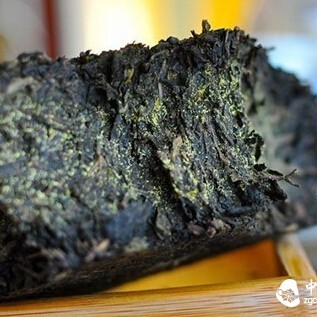
Let You Better Understand Dark Tea
Dark tea is a mature tea (commonly known as coarse tea with higher nutritional content than green or black tea. Despite its long history, knowledge about dark tea is limited, and many people mistakenly apply standards for green or black tea to it. This article clarifies eight common misconceptions,...
Tea News · May 01, 2026

Burdock Tea Can Calm the Mind and Prevent Diseases, Did You Know?
Burdock tea is rich in water-soluble dietary fiber and inulin, which can help reduce fat absorption, promote weight loss, and improve digestion. It also contains enzymes that aid in cleansing the intestines and boosting metabolism. Studies have shown that burdock tea has certain physiological regula...
Tea News · May 01, 2026
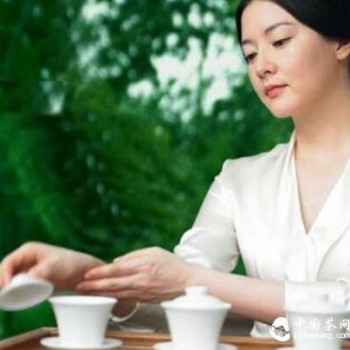
Eight Major Benefits of Tieguanyin Tea
Tieguanyin, originating from Anxi, Fujian, is a representative oolong tea and one of China's top ten famous teas. It is known for its unique 'Guanyin rhyme' and offers eight major health benefits, including anti-aging, cancer prevention, blood pressure reduction, diabetes prevention, weight loss, me...
Tea News · May 01, 2026
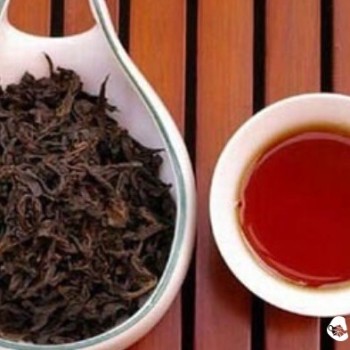
How Much Do You Know About the 20 True and False Legends of Tea?
Tea has a long history and many legends surrounding it, some true and some false. This article debunks 20 common tea myths, such as whether the foam on tea is harmful, whether strong tea can relieve hangovers, and whether pure Pu'er tea is unblended. It reveals the scientific truths behind these cla...
Tea News · May 01, 2026
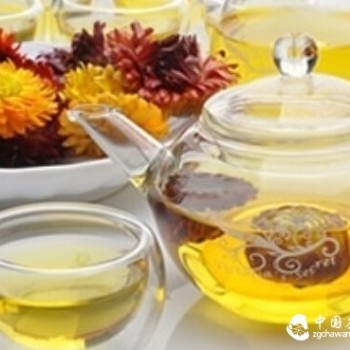
Flower Tea Pairing Has Its Nuances: Cold and Warm Natures Should Be Separated
It is widely known that drinking flower tea is beneficial to health, but the pairing of flower teas requires careful consideration. Some combinations are beneficial, while others may be harmful. This article introduces several classic flower tea blends, such as Pure Sleep Tea, Slimming Beauty Tea, a...
Tea News · May 01, 2026
Tea-Related Xiehouyu: Have You Heard of Them?
Xiehouyu is a unique, humorous form of Chinese folk language, often compared to a 'bundle of wisdom flowers' in folk art. Among them, many are related to tea, reflecting the deep connection between tea culture and everyday life. These witty sayings are divided into categories such as teapot-related,...
Tea News · May 01, 2026
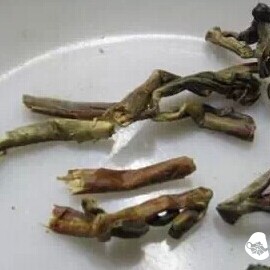
Tea Stems: Do You Hold a Grudge Against Them?
In brewing oolong, pu'er, or dark tea, you might wonder why there are so many stems. Often discarded, tea stems actually play a vital role in flavor, aroma, and health benefits. They contain high levels of amino acids, sugars, and aroma compounds that enhance taste. Additionally, stems aid in proces...
Tea News · May 01, 2026
Which Tea to Drink for Which Body Type, Do You Know?
Different teas have different health benefits. For example, green tea is cold in nature and helps clear heat, red tea is warm and nourishes yang energy, oolong tea moistens the throat and generates fluids, and flower tea soothes the liver and benefits the gallbladder. Choosing tea according to your...
Tea News · May 01, 2026
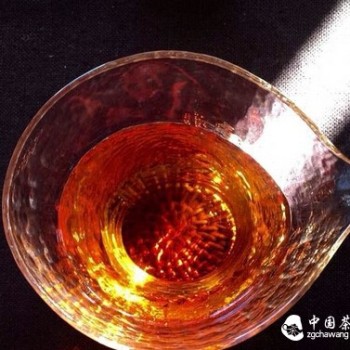
In the Cold Tones of Winter, Have a Cup of Warm-Toned Black Tea
In winter, drinking black tea warms the stomach, body, and heart. As a fully fermented tea, its processing reduces caffeine and irritants, making it gentle on the stomach. According to Five Elements theory, black tea belongs to Fire, which promotes blood circulation. Its bright red infusion, a warm...
Tea News · Apr 30, 2026