The Three Lives of Tea That Every Tea Drinker Should Know
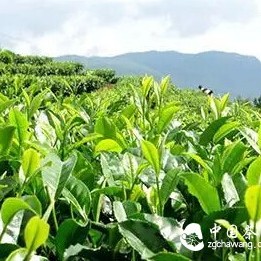
Tea leaves are said to possess three distinct lives. The first life occurs while they grow freely on the tea tree. The second life begins when tea farmers pick, pan-fry, and roll the leaves, shaping them into their characteristic forms—a process heavily influenced by both weather and human skill. Th...
Tea News · Mar 06, 2026
Five Questions about 'Pre-Qingming Tea'
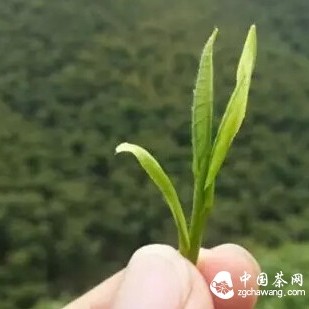
'Pre-Qingming Tea' refers to tea leaves picked and processed before the Qingming Festival (around early April in the Jiangnan tea region of China's Yangtze River basin. It is primarily green tea, with some red tea varieties. Famous examples include West Lake Longjing and Dongting Biluochun. The tea...
Tea News · Feb 26, 2026
Understanding Green Tea and Drinking Precautions
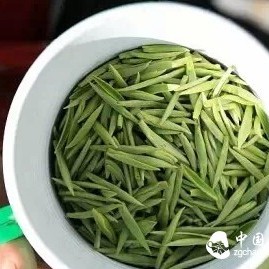
Green tea is produced by directly processing freshly picked tea leaves through steps like deactivation, rolling, and drying without fermentation. This process preserves the natural green color of the leaves and results in a clear, greenish infusion. As the most diverse and historically significant c...
Tea News · Feb 16, 2026
Where Does the 'Freshness' of Spring Tea Come From?
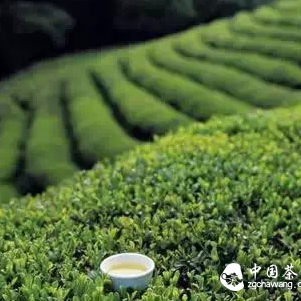
The fresh and brisk taste of spring tea, especially green tea, is beloved by many tea enthusiasts. This delightful flavor primarily comes from amino acids, particularly theanine, which is unique to tea leaves. These compounds interact to create the signature refreshing sensation. The amino acid cont...
Tea News · Feb 14, 2026
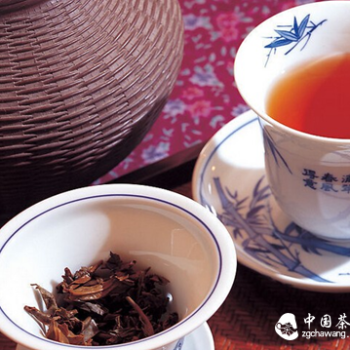
What tea is fresh and fragrant? What tea is strong and intense?
Teas can be broadly categorized based on their taste profiles into fresh/fragrant types and strong/intense types. Fresh and fragrant teas, such as Dongting Biluochun and Mengding Ganlu, are known for their clear, refreshing aroma and brisk, sweet taste, typically made from tender leaves processed pr...
Tea News · Feb 03, 2026
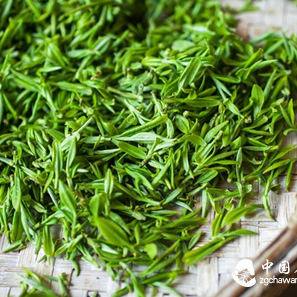
Six Questions About 'Pre-Qingming Tea'
'Pre-Qingming Tea' refers to tea leaves picked and processed before the Qingming Festival in the Jiangnan tea region of China's Yangtze River basin. It is primarily green tea, with some black tea. Due to low pre-Qingming temperatures, tea trees grow slowly, resulting in low yield but high quality. T...
Tea News · Feb 03, 2026
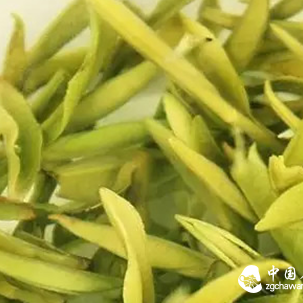
Appreciating the Subtle Differences in Professional Terminology
This text explores the nuanced vocabulary used to describe the flavor profiles of different teas. It categorizes teas into distinct taste types such as 'Fresh and Clear,' 'Fresh and Rich,' 'Fresh and Mellow,' and 'Fresh and Mild,' each defined by the tea's aroma, taste, and mouthfeel. The descriptio...
Tea News · Feb 01, 2026
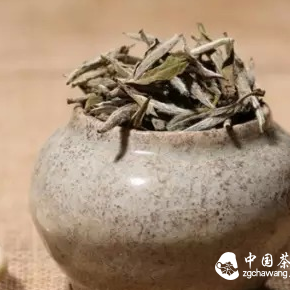
Where Does the 'Freshness' of Spring Tea Come From?
The fresh and brisk taste of spring tea, especially green tea, is beloved by many tea enthusiasts. This delightful flavor primarily comes from amino acids present in the tea leaves. Key compounds like glutamic acid and the tea-specific theanine contribute significantly to the umami and sweet afterta...
Tea News · Jan 24, 2026
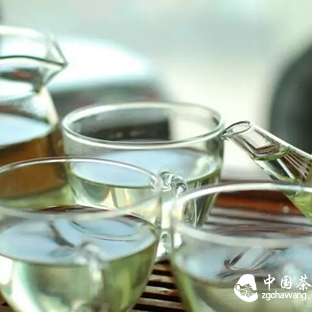
Cool Down in Summer: Learn to Brew High-Quality Green Tea in 6 Steps
Green tea is particularly suitable for summer consumption due to its cooling and heat-relieving effects. This guide outlines six essential steps for brewing high-quality green tea. It covers selecting appropriate tea ware, cleaning utensils, observing the tea leaves, mastering brewing techniques wit...
Tea News · Jan 22, 2026
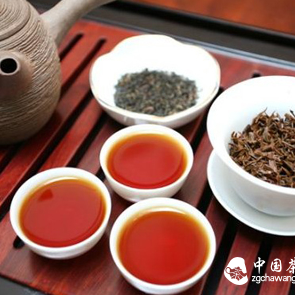
Differences Between Green Tea and Black Tea
Green tea and black tea are two of the most common and historically significant types of tea in China. Green tea has a light, bitter fragrance, while black tea carries a subtle sweetness. Each has its own characteristics and enjoys widespread popularity. However, many people who are not tea experts...
Tea News · Jan 18, 2026