
Dahongpao actually has so many benefits, come and drink tea!
Dahongpao is one of China's top ten famous teas, renowned for its 'rock bone and floral fragrance' characteristic of Wuyi Rock Tea. It features a warm, smooth liquor and is primarily produced in the Wuyi Mountains. Made from hand-picked tea leaves using meticulous Kung Fu tea processing techniques,...
Tea News · Jan 23, 2026
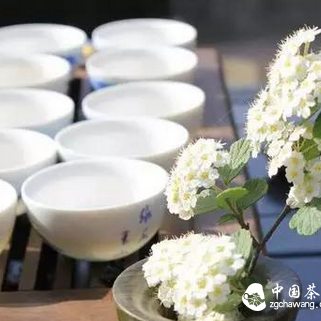
Learned Something New: When to Drink What Kind of Tea
Tea, as a culture, not only has profound cultural heritage but also serves functions in health preservation and wellness. Most people drink tea casually without a proper understanding of timing. So, when is the best time to drink tea during the day? Tea can quench thirst, refresh the mind, and culti...
Tea News · Jan 23, 2026
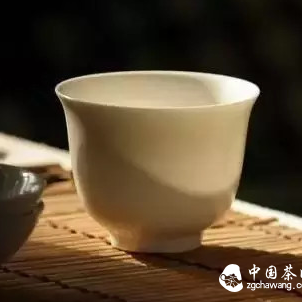
What is the Relationship Between Drinking Tea and the Cup?
The selection of a teacup is crucial, primarily focusing on the appropriateness of the rim, followed by the material, thickness, and curvature, all of which influence the taste of the tea soup. The thickness of the cup wall significantly affects the tea experience: thinner walls are better for highl...
Tea News · Jan 23, 2026
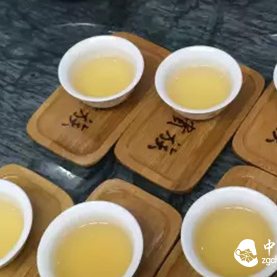
Why Do You Sometimes Feel Dry Tongue After Drinking Tea?
Many tea drinkers report experiencing a dry, rough sensation on the tongue after drinking tea. This phenomenon can be attributed to several non-pathological reasons. Firstly, tea contains polyphenols, which can form a temporary film on the tongue, causing a dry, astringent feeling that often precede...
Tea News · Jan 23, 2026
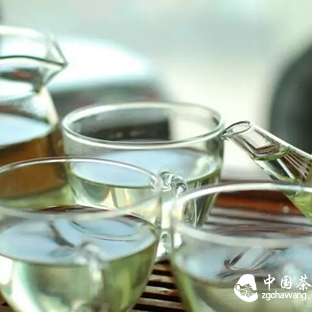
Cool Down in Summer: Learn to Brew High-Quality Green Tea in 6 Steps
Green tea is particularly suitable for summer consumption due to its cooling and heat-relieving effects. This guide outlines six essential steps for brewing high-quality green tea. It covers selecting appropriate tea ware, cleaning utensils, observing the tea leaves, mastering brewing techniques wit...
Tea News · Jan 22, 2026
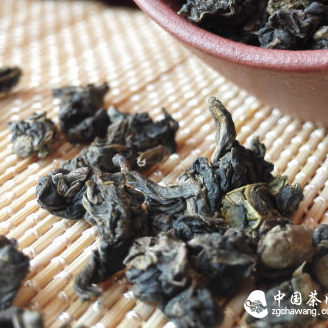
The Five "Collection Values" of Anxi Tieguanyin
Anxi Tieguanyin is a precious natural beverage with excellent health and beauty benefits. Scientific analysis proves it is rich in amino acids, vitamins, minerals, tea polyphenols, and alkaloids. It offers multiple nutritional and medicinal effects, including clearing vision, reducing inflammation,...
Tea News · Jan 21, 2026
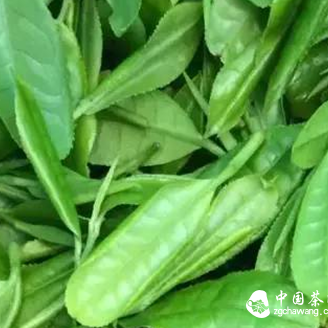
Evaluating Oolong Tea: Dry Leaf Appearance and Wet Aroma Taste
Oolong tea is a special tea category from Fujian Province, known for its intricate initial processing and complex quality evaluation. Sensory assessment remains a crucial method for determining its quality, divided into evaluating rough tea (毛茶 and refined tea. The evaluation of rough Oolong tea in...
Tea News · Jan 21, 2026
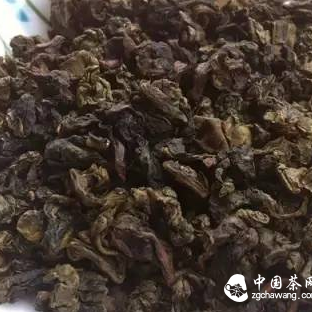
The True Craft of Charcoal-roasted Tieguanyin
Charcoal-roasted Tieguanyin is renowned for its unique sweet aftertaste and distinctive flavor profile, leaving the throat exceptionally refreshed. Its complex aromas can range from fresh and fruity to rich roasted notes, evolving over time into scents reminiscent of steamed tofu or even ginseng in...
Tea News · Jan 20, 2026
Drinking a Certain Tea Promotes Salivation, Quenches Thirst, and Eliminates Bad Breath
Dry mouth and bad breath are common daily concerns. Saliva acts as a natural mouth cleanser, and reduced secretion can lead to bad breath. Osmanthus tea is recommended to stimulate saliva production, effectively quenching thirst and combating oral odor. Made from the fragrant osmanthus flower, it he...
Tea News · Jan 20, 2026
Tea Doctoral Supervisor Tells You "How to Drink Tea"
This article, based on insights from a tea studies doctoral supervisor, explains how to drink tea correctly for health benefits. It emphasizes choosing tea according to its nature (cool, neutral, or warm , one's own physical constitution (classified into nine types in Traditional Chinese Medicine ,...
Tea News · Jan 20, 2026