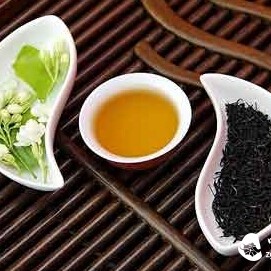
Tea Knowledge | Shelf Life of Tea
Chinese tea-drinking traditions date back to ancient times, and consuming a few cups daily offers health benefits. Proper tea storage is crucial for maintaining quality. The shelf life of tea varies: generally, it is 18 months, but it depends on the type. For example, fully fermented teas like Pu'er...
Tea News · Apr 13, 2026
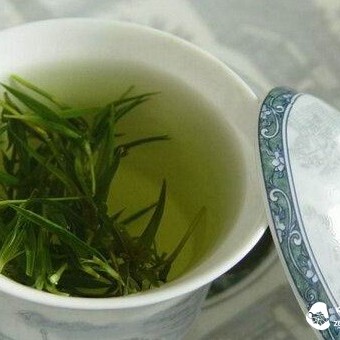
The Mystery of Tea's Sweet Aftertaste, Do You Know?
Tea lovers often notice a slight bitterness when drinking tea, leading some to mistakenly believe such tea is of poor quality. In fact, bitterness alone does not indicate inferior tea; the key lies in whether a sweet aftertaste follows the bitterness. The phenomenon of 'sweet aftertaste' is a natura...
Tea News · Apr 10, 2026
Attention, Don't Drink These 10 Types of Tea!
Tea is a traditional beverage in China, enjoyed by many for its nutritional benefits and refreshing properties. However, for the sake of health, there are ten types of tea that should be avoided. These include spoiled tea, which contains harmful substances; the first brew, which may wash off contami...
Tea News · Apr 05, 2026

The Most Mysterious Element in Pu-erh Tea - Temperature
From the tea tree to the tea leaves, and from the leaves to the teacup, temperature is a constant companion throughout the life of tea. This article explores the critical role of temperature in Pu-erh tea production. It begins with the cultivation of the Yunnan large-leaf varietal, which is sensitiv...
Tea News · Apr 01, 2026
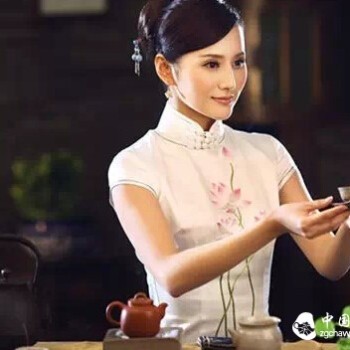
Stop Being Willful! Five Wrong Tea Brewing Methods You Should Change Now
Tea is China's national drink and a common beverage in daily life. However, many people may not brew tea correctly, often sticking to improper methods. This article summarizes five common mistakes in tea brewing: 1 Brewing tea too strong, which over-extracts caffeine and tannins, irritating the sto...
Tea News · Mar 31, 2026
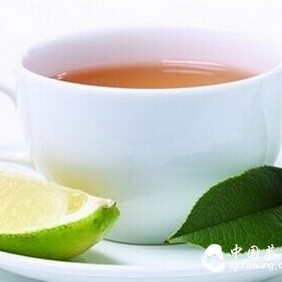
Tea is a very healthy wellness product in the world today
Tea is currently regarded as a trendy and excellent wellness product worldwide. As more people discuss health preservation and healthcare, the question of what to use for these purposes gains increasing attention. In fact, everyone has a great treasure right at hand—tea. Tea helps calm the mind and...
Tea News · Mar 30, 2026
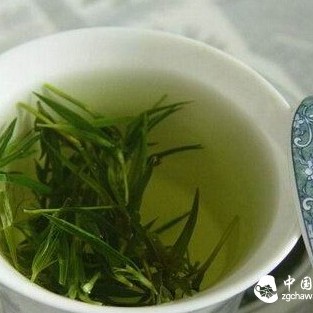
Separating Tea Leaves from Tea Water is More Beneficial for Health
The Chaozhou Gongfu tea brewing method offers valuable insights: the first infusion is used to rinse the teaware, tea is consumed immediately after brewing, and tea leaves are replaced after three to four infusions. Discarding the first infusion acts as a rinse. Drinking tea fresh and changing leave...
Tea News · Mar 29, 2026
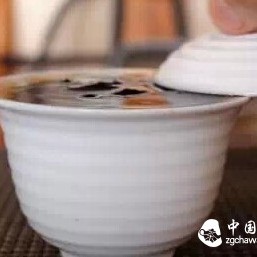
Tea Foam: Good or Bad?
When brewing tea, a layer of foam often appears on the surface of the tea soup, especially more noticeable in the first two or three brews. Many tea drinkers mistakenly believe this foam is "impurities," often skimming it off with the lid, or even think it indicates pesticide residue or poor tea qua...
Tea News · Mar 27, 2026
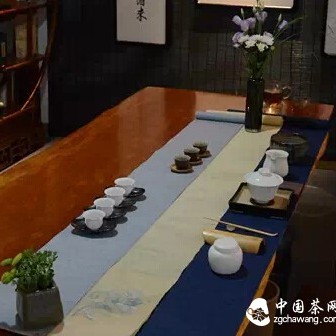
Several Practical Tea Serving Tips
Tea, originally used medicinally in ancient times, evolved into a beverage and later into a philosophy. It naturally possesses the ability to connect people and ideas. In ancient ritualistic societies, this was expressed through the form of tea ceremonies, an essential elite culture of the era. Whil...
Tea News · Mar 23, 2026
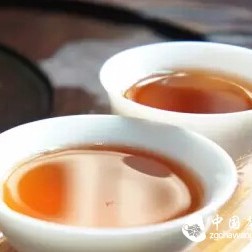
19 Practical and Useful Ways to Repurpose Tea Leaves!
Instead of discarding used tea leaves, discover their numerous practical applications around the home and for personal care. Tea leaves and leftover tea water can be repurposed in various ways, from skincare and haircare to household cleaning and odor elimination. They can soothe skin irritations, a...
Tea News · Mar 16, 2026