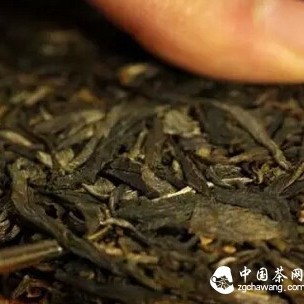
What are the advantages of ancient tree Pu-erh tea?
Ancient tree Pu-erh tea refers to tea made from trees over a hundred years old, primarily found in Yunnan's Xishuangbanna, Lincang, and Pu-erh tea regions. It is highly valued for its ecological cultivation, rich flavor, and aging potential. Grown in fertile soil without chemical fertilizers or pest...
Tea News · Mar 09, 2026
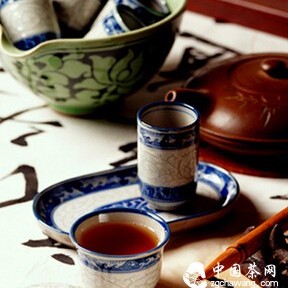
Eight Reasons for Slightly Turbid Tea Soup Color of Pu-erh Tea
The slightly turbid appearance of Pu-erh tea soup can be attributed to eight main reasons. These include overly vigorous or rapid water pouring during brewing, the tea being in a transitional phase (such as sun-dried green tea aged 1-2 years or baked green tea around 4 years , or newly processed rip...
Tea News · Mar 07, 2026
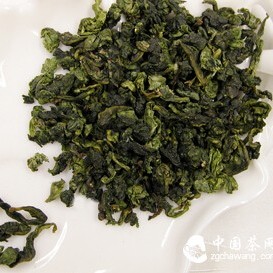
Keep Tieguanyin at home, it can be used as medicine in critical moments!
Tieguanyin tea contains high levels of amino acids, minerals, tea polyphenols, and alkaloids, along with various nutritional and medicinal components, offering several practical uses in daily life. It can be applied to treat minor burns or scalds by using a concentrated decoction of the tea leaves....
Tea News · Feb 28, 2026
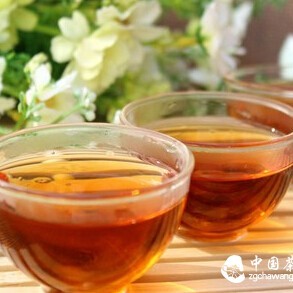
6 Brewing Rules to Make Black Tea Taste Better
Brewing black tea is an art. To extract the full, aromatic flavor of black tea, specific techniques are essential. This guide outlines six key rules for the perfect cup. Start with fresh, aerated cold water brought to a boil, as the oxygen helps release the tea's aroma. Use freshly boiled water, but...
Tea News · Feb 27, 2026
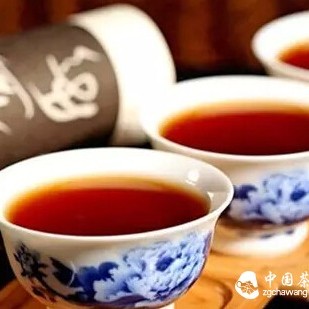
9 Principles of Drinking Tea You Must Remember!!
Tea drinking is an indispensable lifestyle for modern people, but it cannot be consumed carelessly. If certain methods are not observed, it may not only fail to provide benefits but also adversely affect our health. This article outlines nine key principles for drinking tea correctly. These include...
Tea News · Feb 24, 2026
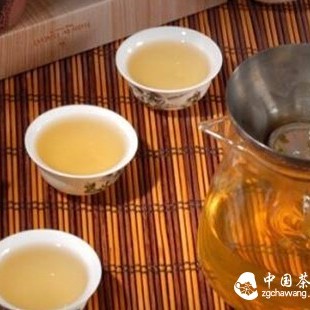
Analysis of the Reasons for Rinsing Tea When Brewing Oolong Tea
When brewing Oolong tea, the first infusion is commonly discarded in a practice known as 'rinsing tea.' This article explores the key reasons behind this step. Firstly, rinsing helps remove any dust or impurities that may have adhered to the tea leaves during processing. Secondly, it serves to 'awak...
Tea News · Feb 24, 2026
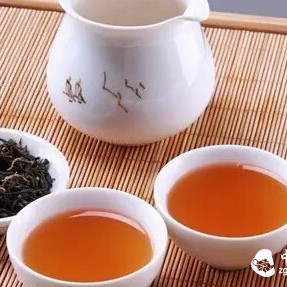
Do You Understand the Eight Aromas of Chinese Black Tea?
A cup of black tea embodies aspects such as appearance, color, aroma, and taste. Appreciating a cup of black tea begins with these four dimensions, combined with personal experience, allowing one to preliminarily savor its flavor. This article compiles the eight aroma types essential for black tea a...
Tea News · Feb 19, 2026
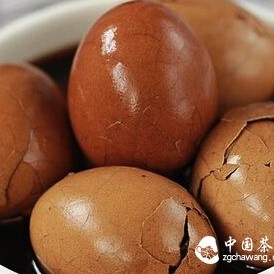
15 Ingenious Uses of Tea Leaves, Quite Comprehensive!
Tea is primarily enjoyed as a beverage, offering a delightful combination of color, aroma, and flavor. However, beyond brewing, tea leaves possess a wide range of practical applications. This article introduces 15 ingenious uses for tea leaves, from household hacks to personal care. Learn how to use...
Tea News · Feb 17, 2026
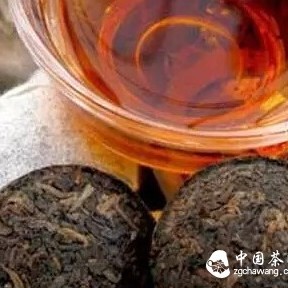
Evaluation Indicators of High-Quality Pu-erh Tea
High-quality Pu-erh tea must provide an excellent experience in appearance, liquor color, and taste. The key evaluation indicators include: 1 Color: The tea liquor should be reddish, bright, and clear, with a golden ring and oily film for ripe Pu-erh, while raw Pu-erh should show an orange-yellow,...
Tea News · Feb 16, 2026
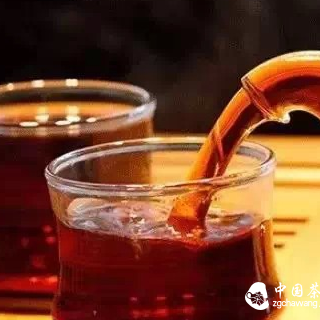
Pu'er Tea Known as 'Longevity Tea' – Drinking It Improperly Can Lead to Serious Trouble!
Pu'er tea is a popular category in the current tea market, beloved by many for its taste. After years of inflated prices, it has now become more affordable and accessible, entering ordinary households as a versatile tea suitable for all seasons and ages, and often served to guests. Due to its notabl...
Tea News · Feb 14, 2026