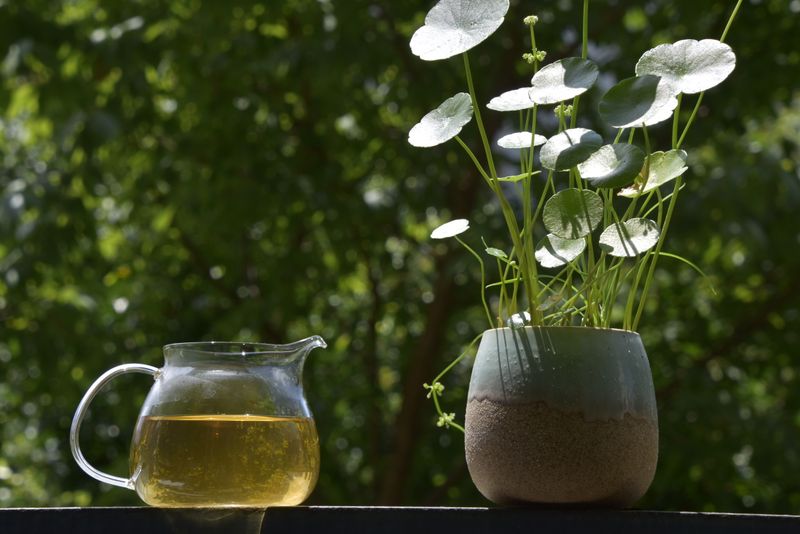
Method for Making Anxi Tea Tangyuan
The Winter Solstice is a significant solar term and traditional festival in China, where eating tangyuan (sweet rice balls is a popular custom, especially in the Jiangnan region, symbolizing reunion and completeness. This recipe introduces a unique version using precious Anxi tea—Tieguanyin. The ta...
Tea News · Dec 28, 2025
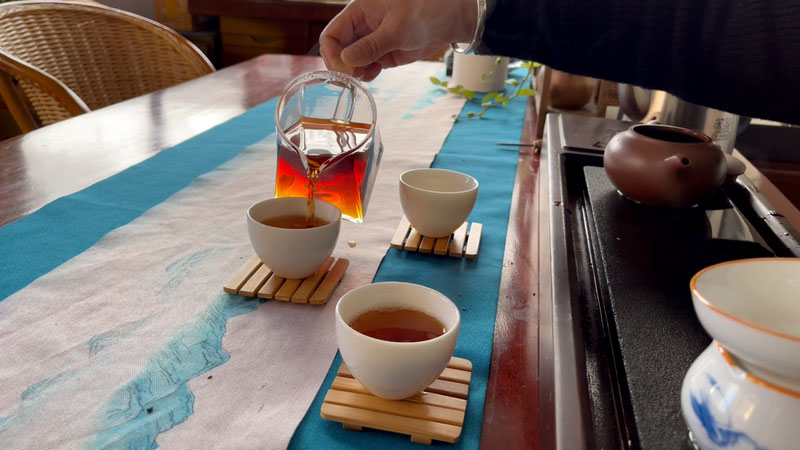
Introduction to Tieguanyin, Huangdan, Benshan, and Maoxie
This text introduces four distinct varieties of Chinese tea, primarily within the Oolong category. Tieguanyin is highlighted as the finest Oolong, renowned for its tightly curled leaves, golden liquor, lasting orchid fragrance, and rich, sweet aftertaste known as 'Yin Yun'. Huangdan, often processed...
Tea News · Dec 27, 2025
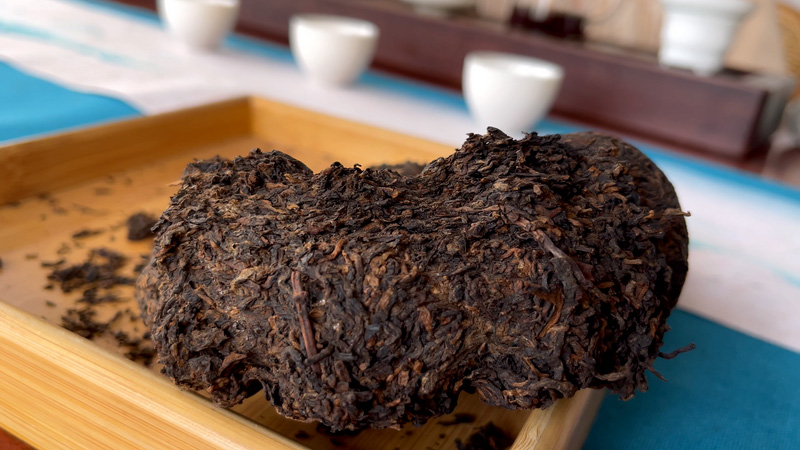
Introduction to the Medical Effects of Anxi Tieguanyin
Anxi Tieguanyin is not only a fragrant and mellow natural beverage but also renowned for its exceptional health benefits. Modern medical research indicates that Tieguanyin possesses various health-promoting properties beyond those of ordinary teas. These include anti-aging effects, anti-cancer poten...
Tea News · Dec 26, 2025
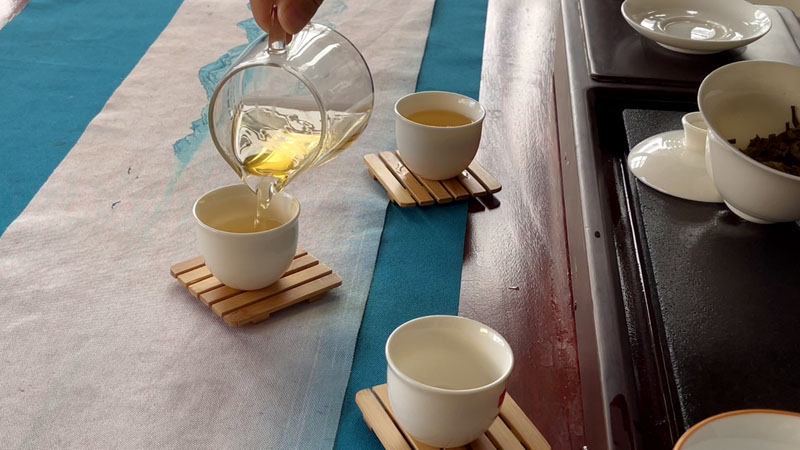
The Differences Between Oolong Tea, Tieguanyin, and Dongding Oolong
Oolong tea, also known as green tea, is a semi-fermented tea that combines the production methods of green tea and black tea, with qualities between the two. It is categorized into Northern Fujian Oolong, Southern Fujian Oolong, Guangdong Oolong, and Taiwanese Oolong. Tieguanyin originates from Anxi...
Tea News · Dec 26, 2025
Oolong Tea Classified by Different Tea Colors
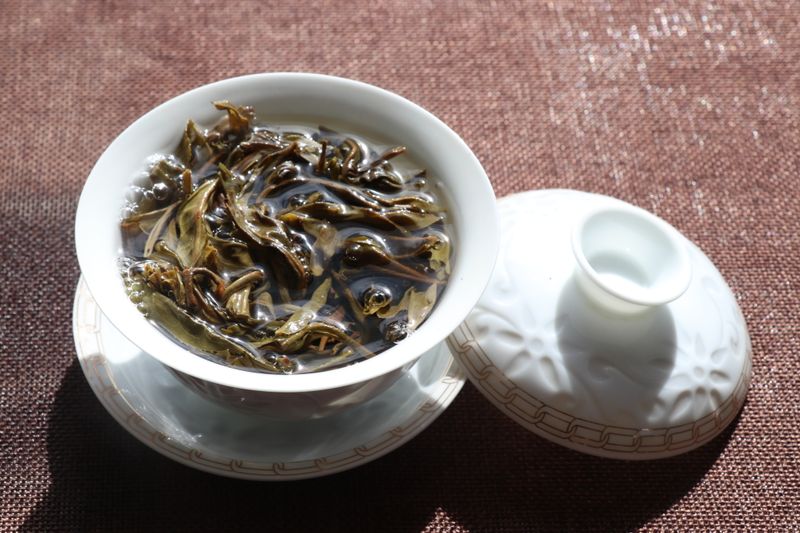
Oolong tea, also known as green tea or semi-fermented tea, is named after its creator and represents a distinctive category among China's major tea types. Its origin is legendary: during the Qing Dynasty, a tea farmer and hunter named Su Long (nicknamed 'Oolong' in Fujian's Anxi County forgot to pr...
Tea News · Dec 23, 2025
Introduction to Anxi Famous Teas
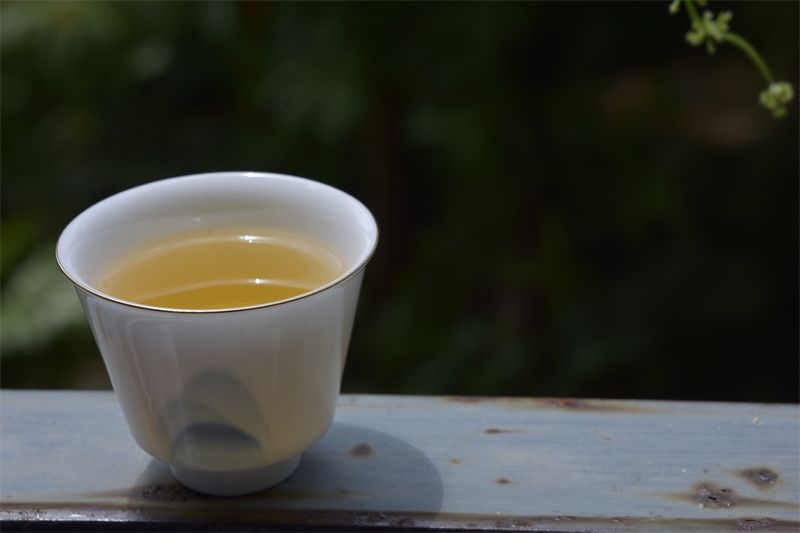
Anxi boasts a uniquely favorable natural environment and abundant tea tree resources, with over 50 collected tea varieties, earning it the reputation as a 'treasure trove of fine tea tree cultivars.' The six most representative famous teas of Anxi are introduced as follows: Tieguanyin, originally fr...
Tea News · Dec 23, 2025
The Major Effects and Functions of Tieguanyin Tea
Tieguanyin is a common health tea with excellent benefits. It contains rich inorganic minerals and organic compounds. Not only can it be consumed as a natural beverage, but it also offers remarkable effects in health preservation and wellness. Its main functions include refreshing the mind and enhan...
Tea News · Dec 23, 2025
Tieguanyin Should Not Be Consumed on an Empty Stomach or Before Bed
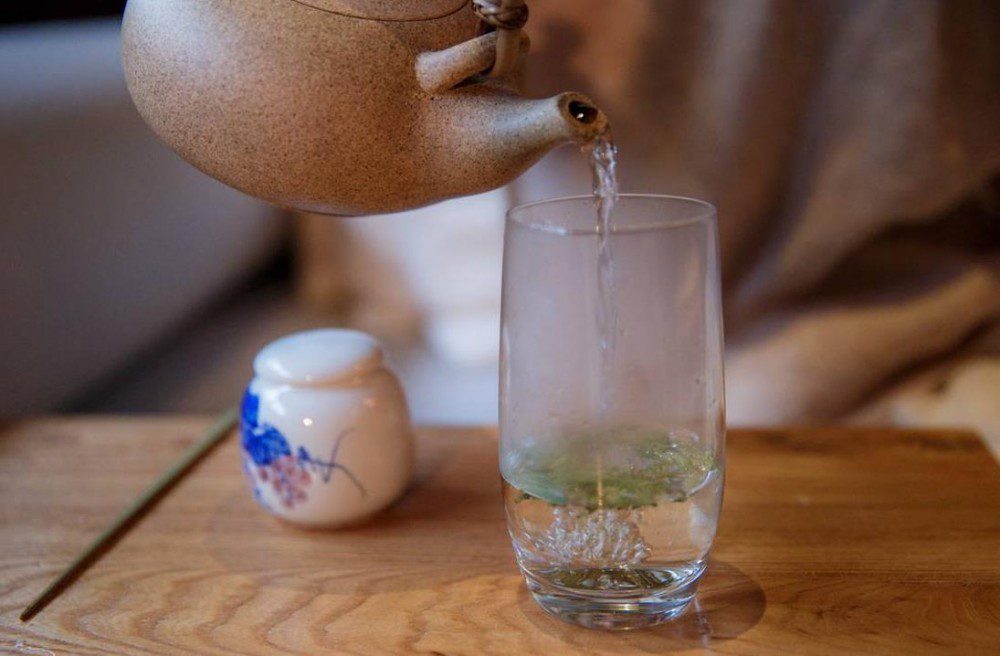
Tieguanyin is a precious natural beverage with excellent beauty and health benefits. However, it is not suitable for everyone. Medical research shows that its compounds have strong antioxidant properties, can combat aging and diseases, and are rich in minerals like fluorine, which helps prevent toot...
Tea News · Dec 20, 2025
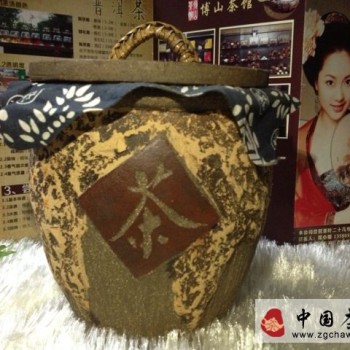
Storage Methods for Several Types of Tea
This article introduces specific storage methods for four types of tea: green tea, Tieguanyin, Pu-erh tea, and Rock tea. For green tea, the key is to keep moisture content below 6% and relative humidity under 60%, using traditional lime jars or modern refrigerator storage with proper sealing. Tiegua...
Tea News · Dec 06, 2025
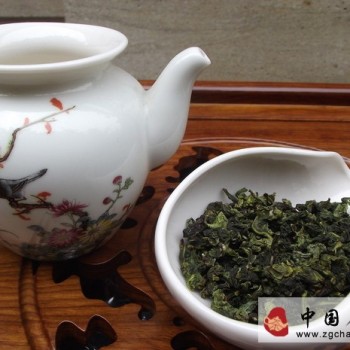
Not All Teas Need to Be Rinsed
When brewing tea, the step of rinsing tea leaves is commonly practiced, a tradition spanning over four hundred years. Rinsing aims to wash away impurities from the surface of loose tea leaves, enhancing their aroma and flavor. However, not all teas require this step. For instance, tender new teas li...
Tea News · Dec 05, 2025