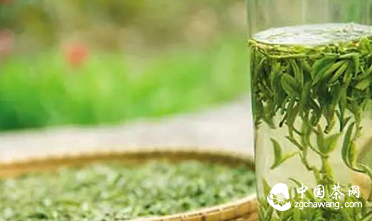
The new study, conducted by researcher Dr. Andrea Barakhuijs and colleagues from the University of Auckland in New Zealand, found that regularly consuming flavonoid-rich foods like green tea, apples, blueberries, red wine, and onions can significantly lower the risk of colds and coughing. Adults who frequently eat flavonoid-rich foods have a 33% lower risk of developing a cold or upper respiratory infection compared to those who do not consume such foods. These individuals also tend to take fewer sick days.
The study found that most adults catch a cold two to three times a year, with main symptoms including sore throat, cough, and headache. Experts explain that flavonoids have antiviral, anti-inflammatory, and antioxidant properties, which help enhance immunity and reduce the incidence of colds and coughing. Experts recommend drinking green tea regularly and consuming a variety of colorful vegetables and fruits daily to ensure adequate flavonoid intake and prevent colds.
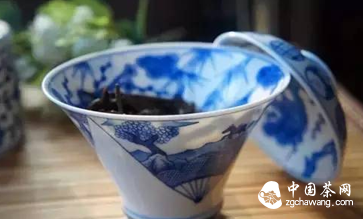
Precautions for Drinking Tea When Already Having a Cold
Although drinking tea can provide certain nutritional and health care benefits, it is not suitable for everyone. Especially for individuals with certain health conditions, blindly drinking tea may not only fail to benefit their health but could also worsen their condition. Therefore, it is important to take this seriously.
◆ If you are already sick and taking medication, avoid drinking tea and opt for water instead. Otherwise, it may render the medicine ineffective.
◆ Tea can be categorized as cooling or warming based on different processing methods. Those with a warm constitution should drink cooling teas, while those with a cold constitution should opt for warming teas.
◆ It is best to drink black tea or white tea in the evening and avoid green tea. Green tea is unfermented and contains high levels of tea polyphenols, which can be stimulating. Black tea is fully fermented and less stimulating. For those with weak spleen and stomach, adding milk to black tea can help warm the stomach. White tea is gentle and rich in theanine, making it suitable for evening consumption. ◆ Individuals who are emotionally sensitive, have poor sleep quality, or are physically weak should drink little to no tea in the evening. If they wish to drink tea, white tea is a good option.
◆ When drinking tea in the evening, use less tea leaves and avoid brewing it too strong. It is best to drink tea after dinner, as drinking tea on an empty stomach can inhibit gastric acid secretion, hinder digestion, and in severe cases, cause palpitations or headaches—a condition known as "tea drunkenness."