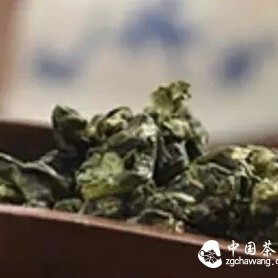
How to Select Oolong Tea (Green Tea)
Selecting high-quality Oolong tea involves several key steps. First, examine the appearance: Fujian Oolong tea typically has a curled shape in southern regions and a straight strip shape in northern regions, both with good luster. Avoid dull, loose, or uneven leaves. Second, smell and taste the tea...
Tea News · Feb 18, 2026
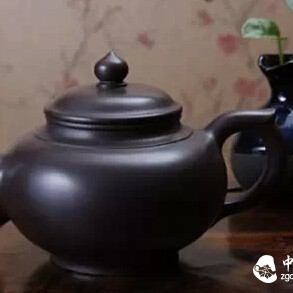
The True Classic of Yixing Teapot Maintenance (Must-Know for Tea Enthusiasts)
Proper care is essential for preserving the beauty and functionality of a Yixing teapot. Key practices include ensuring the interior remains dry after use, storing it in a well-ventilated area away from humidity, smoke, and dust. It is recommended not to seal the teapot tightly, allowing it to breat...
Tea News · Feb 18, 2026
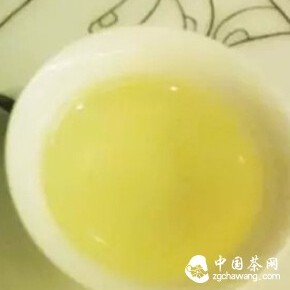
The Difference Between Huangjingui and Tieguanyin
Huangjingui and Tieguanyin are both premium Oolong teas from Anxi, but they have distinct characteristics. Tieguanyin is known for its tightly rolled, heavy leaves with a sand-green color, producing a golden amber liquor with a rich orchid fragrance and a lasting sweet aftertaste, often described as...
Tea News · Feb 18, 2026
How to Properly Use a Refrigerator to Store Tea
For tea enthusiasts, proper storage is key to preserving flavor and quality. While refrigeration can help keep certain teas fresh, it's not suitable for all varieties. Green teas, such as Longjing, with their high aroma, benefit from cold storage—around 5°C in the fridge for daily use, or the freeze...
Tea News · Feb 17, 2026
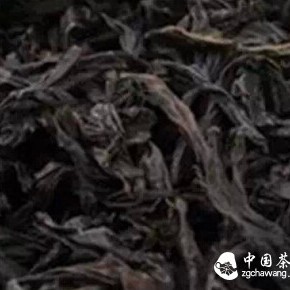
The Efficacy of Wuyi Shuijin Gui Tea
Wuyi Shuijin Gui is a semi-fermented oolong tea renowned as a treasure among teas. It combines the mellow sweetness of Tieguanyin with the fresh aroma of green tea, offering a lively, rich, and elegant flavor profile. This tea is celebrated for its multiple health benefits, including promoting saliv...
Tea News · Feb 17, 2026
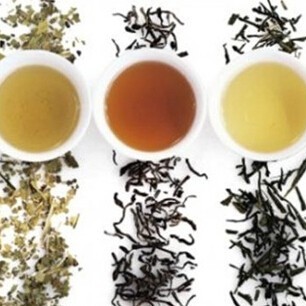
A Chinese Tea Buying Guide
Chinese people have a deep-rooted reliance and fondness for tea. Since the Tang Dynasty or even earlier, tea drinking has been regarded as a way of self-cultivation. Today, beyond its health benefits, tea drinking has become a cultural practice and a leisure activity that refines one's character. Ch...
Tea News · Feb 17, 2026
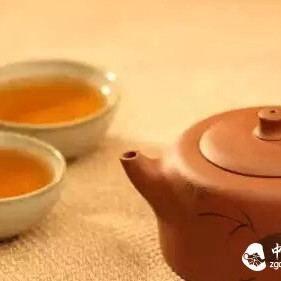
What Kind of Tea Can Be Considered Good Tea?
Good tea is defined by a combination of objective qualities and subjective enjoyment. Key objective standards include a clear, bright liquor regardless of its color, indicating proper processing and storage. While bitterness and astringency are inherent to tea, they should dissipate quickly on the p...
Tea News · Feb 17, 2026
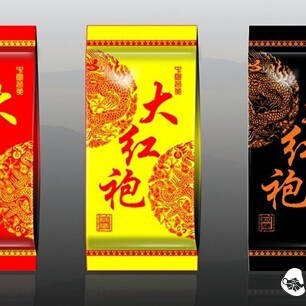
How to Brew Rock Tea with Different Personalities!
To brew a good pot of Wuyi Rock Tea, proper teaware is essential. For home use, an electric kettle, a tea tray, a fairness cup, and a ceramic lidded bowl are sufficient. A purple clay teapot is also a good option, especially in cold southern winters as it retains heat better. The amount of tea leave...
Tea News · Feb 17, 2026
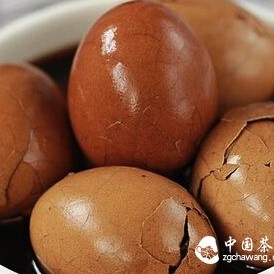
15 Ingenious Uses of Tea Leaves, Quite Comprehensive!
Tea is primarily enjoyed as a beverage, offering a delightful combination of color, aroma, and flavor. However, beyond brewing, tea leaves possess a wide range of practical applications. This article introduces 15 ingenious uses for tea leaves, from household hacks to personal care. Learn how to use...
Tea News · Feb 17, 2026
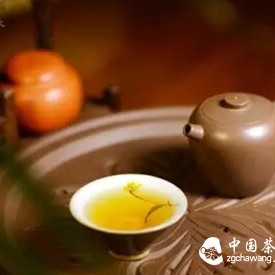
Love Drinking Tea? Don't Forget to Wash Your Cup Frequently
While the health benefits of tea are widely known, the potential hazards, particularly from tea stains, are often overlooked. The article debunks the myth that accumulated tea stains, sometimes romantically called 'tea mountains,' enhance flavor. Scientifically, tea stains form from the oxidation re...
Tea News · Feb 17, 2026