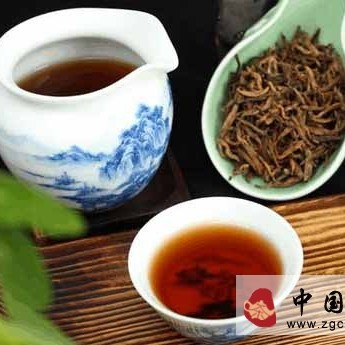
Introduction, Price, and Selection Tips for Mansong Tribute Tea
Mansong Tribute Tea is a historically renowned Pu-erh tea from Yunnan, once designated as imperial tribute during the Ming and Qing dynasties. It is known for its sweet, mellow, and rich flavor, often described as honey-like or reminiscent of candied lotus seeds. Due to limited ancient tea tree reso...
Tea News · Dec 10, 2025
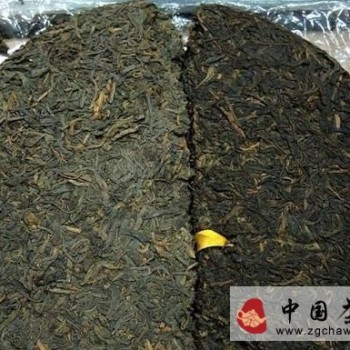
The Horrifying 'Technical Storage' for Refurbishing Aged Pu-erh Tea
The article exposes the emerging 'technical storage' method used to refurbish aged Pu-erh tea. This technique involves spraying an unknown chemical agent onto tea cakes that have undergone 'wet storage' (high-temperature, high-humidity aging , which often results in mold spots and a musty odor. The...
Tea News · Dec 10, 2025
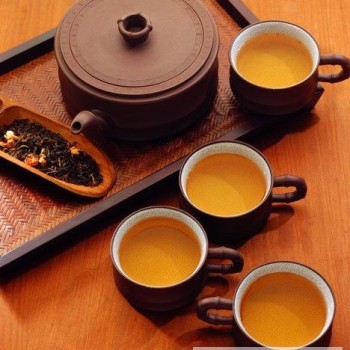
Why Some Pu-erh Tea Remains Bitter and Astringent Without Transforming
Some Pu-erh teas exhibit persistent bitterness and astringency that do not transform into sweetness, which can be unpleasant. This issue often stems from the tea's growing conditions. Teas from plantations using chemical fertilizers, pesticides, or herbicides tend to produce a 'dead' bitterness that...
Tea News · Dec 10, 2025
The Origin of the English Word 'TEA' for Tea
The English word 'TEA' originates from the Fujianese pronunciation 'TEY' or 'TE'. During the 16th-17th centuries, Western merchants trading in Fujian adopted this term. Initially, 'TEA' was pronounced as 'TEY' due to the historical English reading of 'EA' as a diphthong. Over time, pronunciation shi...
Tea News · Dec 10, 2025
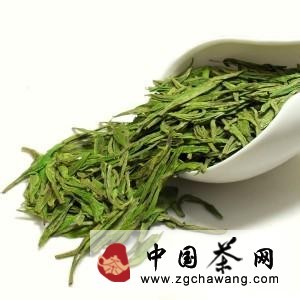
Listen to Me Talk About the Real West Lake Longjing Tea
West Lake Longjing tea, renowned as the 'Queen of Green Tea,' faces challenges from commercialization and counterfeits. As a local tea farmer and wholesaler, I aim to clarify the realities. Authentic West Lake Longjing is produced within Hangzhou's West Lake area, with sub-regions like core (Shi, Lo...
Tea News · Dec 10, 2025
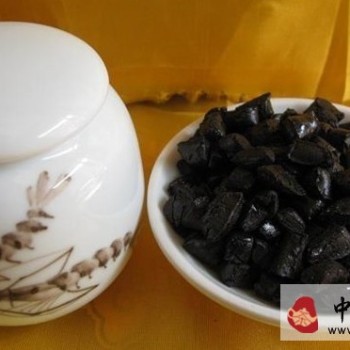
What is Tea Paste?
Tea paste is a concentrated solid instant tea product made from the leaves of large-leaf arbor tea trees native to Yunnan, China. It has a history dating back to the Southern Tang Dynasty, matured in the Song Dynasty, flourished in the Qing Dynasty, and thrives today. The production process involves...
Tea News · Dec 10, 2025
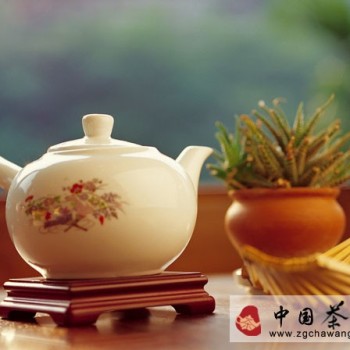
How to Distinguish Between Dry and Wet Pu-erh Tea?
Pu-erh tea can be categorized in various ways, including raw and ripe tea, compressed tea, tuo cha, or brick tea based on shape, and dry storage versus wet storage based on aging conditions. Many tea enthusiasts find it challenging to differentiate between dry-stored and wet-stored Pu-erh. This arti...
Tea News · Dec 10, 2025
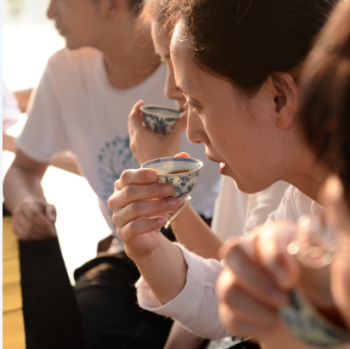
The Aroma of Pu-erh Tea: Refreshing and Heartwarming
The aroma of Pu-erh tea is not overly pronounced when brewed, but over time, one can discern whether it is a fine tea. The lingering fragrance at the bottom of the cup is another enchanting aspect of Pu-erh tea, evoking notes of honey, floral, fruity, or camphor-like scents that are truly mouthwater...
Tea News · Dec 10, 2025
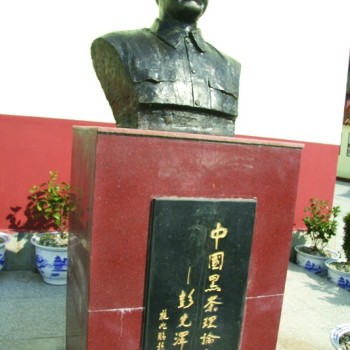
The Father of Dark Tea Theory - Peng Xianze
Peng Xianze (1902-1951 , a native of Anhua, Hunan, was a pivotal figure in Chinese tea history. After studying agriculture in Japan, he returned to teach and research. During the Sino-Japanese War, he pioneered the local production of dark tea bricks in Anhua, breaking the centuries-old practice of...
Tea News · Dec 10, 2025
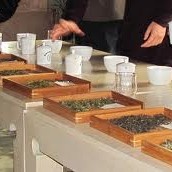
Tea Knowledge: Tea Sensory Evaluation
Tea sensory evaluation is the work of judging the color, aroma, taste, and shape of tea leaves through human sensory organs such as smell, taste, vision, and touch. It requires evaluators to have keen senses and strong discernment. Currently, the grading, classification, and pricing of tea worldwide...
Tea News · Dec 09, 2025